 Society

Sơn La holds second coffee festival, targeting stronger businesses in future
1.
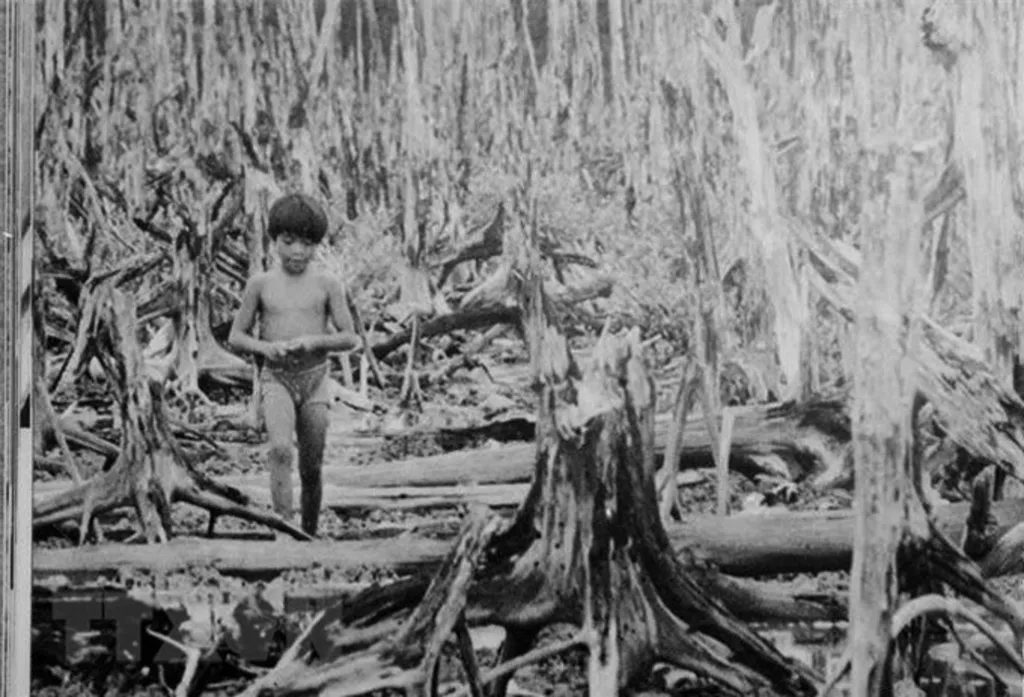 |
| Agent Orange/dioxin sprayed by the US military over southern Việt Nam destroyed habitats and crops, leaving consequences that persist to this day. VNA/VNS Photos |
HÀ NỘI — Sixty-five years after the Agent Orange disaster began in Việt Nam, the consequences of toxic chemicals remain a painful reality for many families across generations.
As Việt Nam marks the Day for Agent Orange Victims on August 10, policies and programmes introduced in recent years show that efforts to address the consequences of war are shifting from short-term assistance towards long-term improvements in living conditions for victims and their families.
From immediate assistance to long-term support
Việt Nam has spent decades addressing the consequences of Agent Orange through policies supporting victims and their families.
Preferential allowances, healthcare, rehabilitation, vocational training, employment and livelihood assistance have gradually been expanded to help affected families overcome hardship and stabilise their lives.
These efforts reached a new milestone in 2026, when a nationwide programme was launched for the first time to replace temporary and dilapidated homes belonging to the children of resistance war veterans exposed to toxic chemicals.
In March, the Prime Minister issued Official Dispatch No 270/TTg-KGVX, approving the use of unspent money from the Central Fund for the Poor to support the programme.
The Ministry of National Defence was assigned to coordinate its implementation with ministries, sectors and local authorities. Localities were instructed to identify eligible households, mobilise additional social resources and deploy local forces to accelerate the work, with the first phase targeted for completion by July 25, 2026.
Significantly, this is the first housing programme specifically designed for the children of resistance war veterans exposed to toxic chemicals. It reflects an expansion of Agent Orange policies beyond those directly involved in the war to subsequent generations still living with its consequences.
The initiative was quickly implemented in many localities.
In Vĩnh Long Province, a review identified 90 households eligible for monthly preferential allowances that were living in temporary or deteriorating homes and needed housing assistance. Of these, 40 were approved for new houses and 50 for repairs.
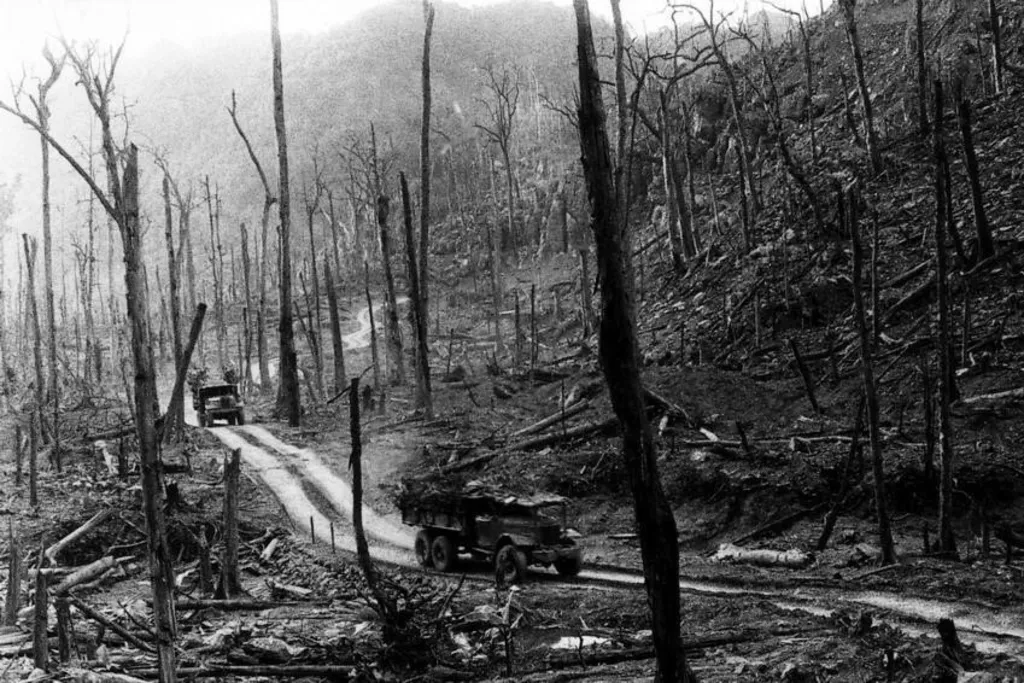 |
| The US military dropped vast quantities of bombs and sprayed Agent Orange/dioxin to destroy forests along the Hồ Chí Minh Trail in an attempt to disrupt the main route carrying troops, supplies and weapons to the southern battlefields. |
In addition to central funding of VNĐ70 million (US$2,670) for each new house and VNĐ35 million for each renovated home, the province allocated another VNĐ10 million per household. Businesses, organisations and residents were also encouraged to contribute building materials, money and labour.
In Quảng Trị Province, one of the localities most severely affected by the war, the programme was launched simultaneously across the province in mid-July.
A provincial review identified 361 eligible households. Construction began in the first phase on homes for 143 families in 74 communes and wards. The remaining homes will be built according to a set timetable, with the programme expected to be completed by June 30, 2027.
Alongside State funding, the province is mobilising resources from the Fund for the Poor, socio-political organisations, businesses and the wider community to ensure that assistance reaches the right beneficiaries on schedule.
The programme is also under way in many other localities nationwide. By the end of July, construction had begun on 2,092 homes and nearly 900 had been completed. Military officers and soldiers had contributed more than 44,000 working days to building and repairing houses for affected families.
The housing initiative is therefore not an isolated programme, but the next step in the continuing expansion of policies for families affected by Agent Orange.
While previous assistance focused largely on allowances, healthcare and livelihoods, improving housing conditions offers a more fundamental form of support. A new home cannot erase the lasting consequences of war, but it can provide families with greater stability, ease some of their difficulties and give them a foundation from which to improve their lives.
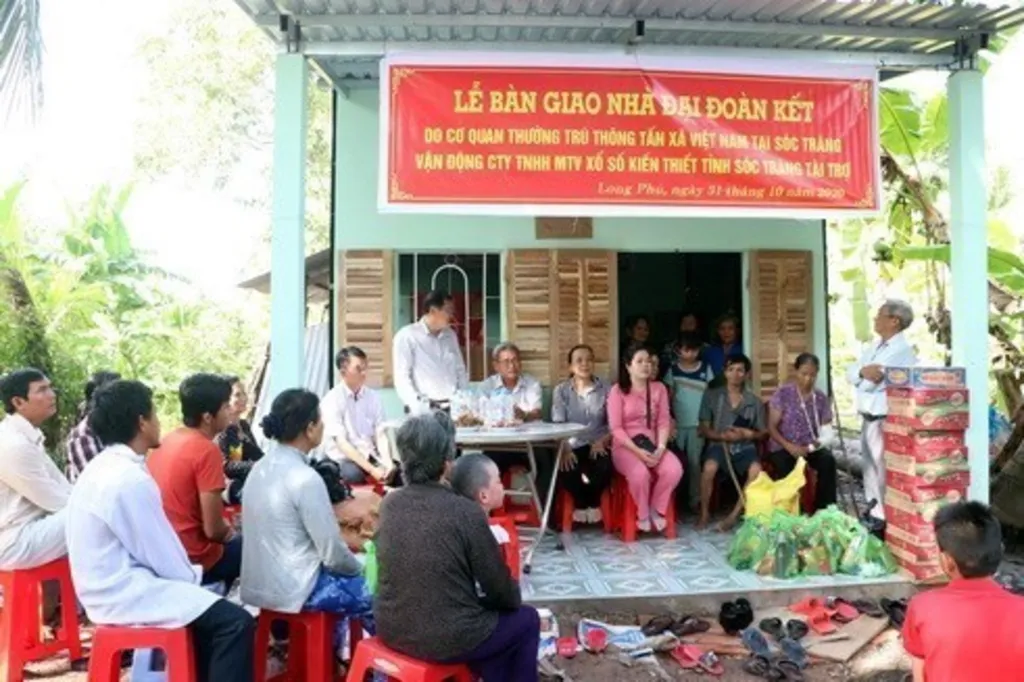 |
| A Great Solidarity House sponsored through VNA’s resident office in Sóc Trăng Province is handed over to an Agent Orange/dioxin victim. |
Other forms of assistance for Agent Orange victims are also continuing.
According to Lieutenant General Nguyễn Hữu Chính, Chairman of the Việt Nam Association for Victims of Agent Orange/Dioxin, the association raised more than VNĐ2.424 trillion between 2021 and 2025 to care for and assist victims.
Of this amount, nearly VNĐ2.314 trillion was used for direct assistance to victims and their families. The funding helped upgrade care facilities, build and repair homes, provide medical treatment and rehabilitation, distribute gifts and support livelihoods.
International support
Alongside domestic efforts, Việt Nam’s work to address the consequences of Agent Orange has received growing attention and support from the international community.
Legislative resolutions, cooperation agreements, assistance for people with disabilities and dioxin remediation projects have all contributed to improving victims’ lives and gradually addressing the toxic legacy of the war.
In October 2023, Belgium’s House of Representatives unanimously adopted a resolution supporting Vietnamese Agent Orange victims, with all 134 participating lawmakers voting in favour.
The resolution called on the Belgian Federal Government to strengthen cooperation with Việt Nam in assisting generations of victims, conducting scientific and medical research and remediating dioxin-contaminated areas.
It was one of the few resolutions adopted by a European legislature to comprehensively address the consequences of Agent Orange in Việt Nam, reflecting international concern over a problem that continues to affect generations of Vietnamese people.
Several cooperation initiatives followed.
In April 2025, in the presence of King Philippe of Belgium and Vietnamese State President Lương Cường, the Việt Nam Association for Victims of Agent Orange/Dioxin and the Brussels regional authorities exchanged an agreement in principle on assistance to address Agent Orange consequences in Việt Nam.
The Aquitara Impact Fund 1 has also introduced livelihood programmes intended to create jobs and increase victims’ incomes.
Its An Vui Mart convenience-store model in Đồng Nai Province has shown promising initial results, with participating households maintaining profitable businesses. In 2026, the fund plans to expand the model to Hà Nội and Hưng Yên with more than 130 stores and total funding of about VNĐ25 billion.
The United States remains another important partner in Việt Nam’s efforts to overcome the consequences of war.
A project supporting people with disabilities in areas heavily sprayed with Agent Orange was jointly implemented by the Vietnamese Government and the US Agency for International Development in Quảng Trị, Thừa Thiên Huế, Đà Nẵng, Đồng Nai and Tây Ninh.
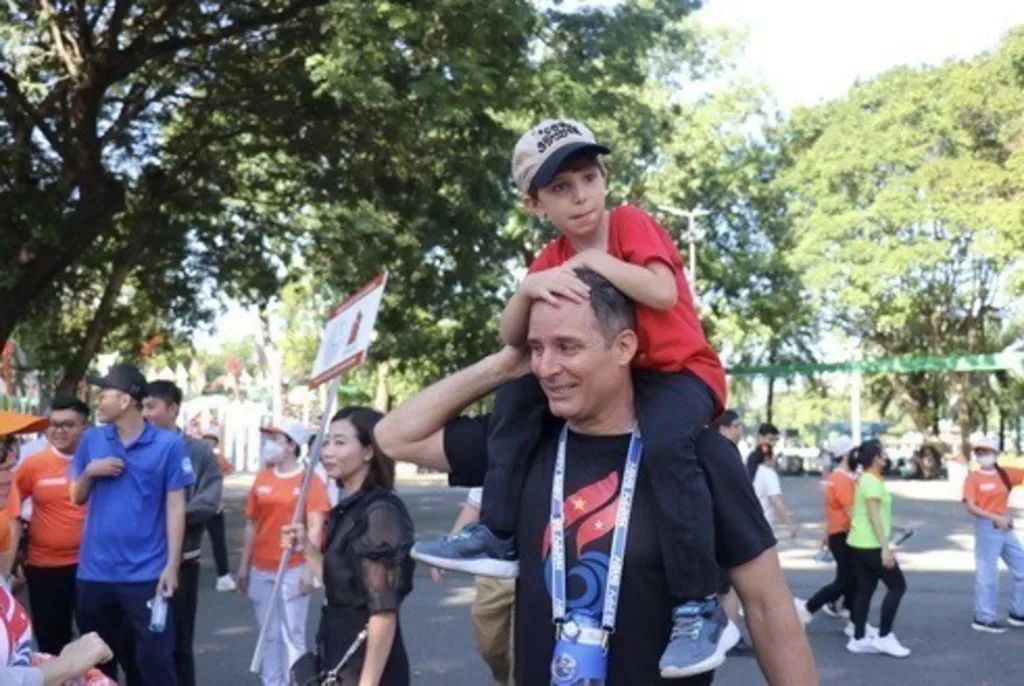 |
| Representatives of diplomatic missions and members of the public take part in the 2025 Walk for Agent Orange/Dioxin Victims in HCM City on August 10, 2025. |
The US initially committed US$65 million to the project before providing another US$30 million for its expansion. More than 32,000 people with disabilities and Agent Orange victims have since gained access to healthcare, rehabilitation, livelihood support and community-integration services.
Bilateral cooperation has also extended to dioxin remediation.
Following the completion of an environmental remediation project at Đà Nẵng Airport, approximately 32.4ha of contaminated land was cleaned and handed over for defence, security and socio-economic development purposes.
At Biên Hòa Airport, the country’s largest ongoing dioxin remediation project continues to make progress. According to the implementing agency, the excavation of contaminated soil has reached about 48 per cent across the project’s total area of 62ha. Surveying, sampling and treatment work is continuing as scheduled.
Agent Orange has also remained on the international agenda through advocacy campaigns and efforts to protect victims’ rights.
The lawsuit brought by Trần Tố Nga against chemical companies that manufactured and supplied Agent Orange to the US military has attracted international attention for years. It has helped sustain public awareness of the consequences of wartime toxic chemicals and their lasting effects on generations of Vietnamese people.
Sixty-five years after the Agent Orange disaster began, many families continue to live with the consequences of the war. Supporting victims will therefore remain a long-term responsibility.
From new homes, livelihood assistance and rehabilitation services to dioxin remediation and international cooperation, each measure contributes to the shared goal of helping victims and their families achieve more stable lives while gradually healing the wounds left by war. VNS
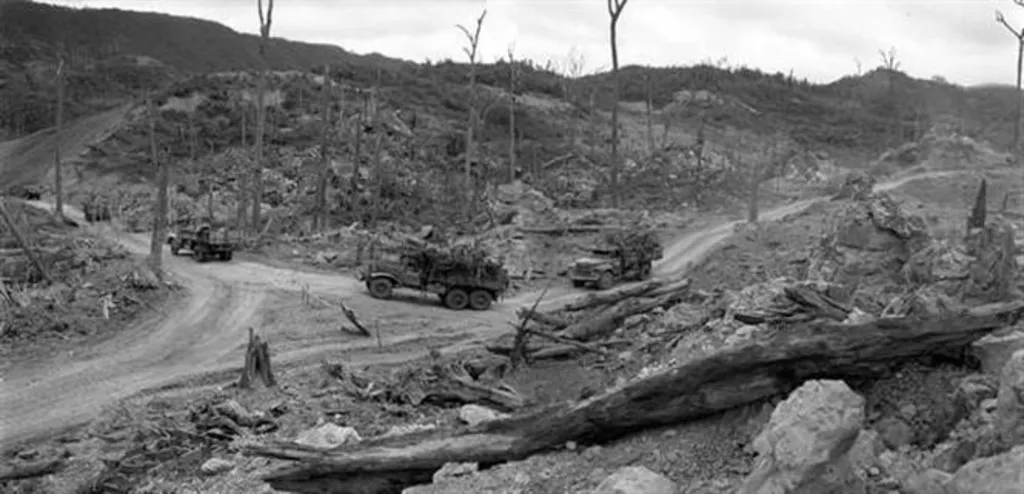 |
| Despite relentless attacks by the US military using modern weapons and warfare methods, including the spraying of Agent Orange/dioxin to destroy vegetation, the strategic Trường Sơn supply route continued to expand, enabling the North to provide extensive and continuous support for the southern battlefields. |
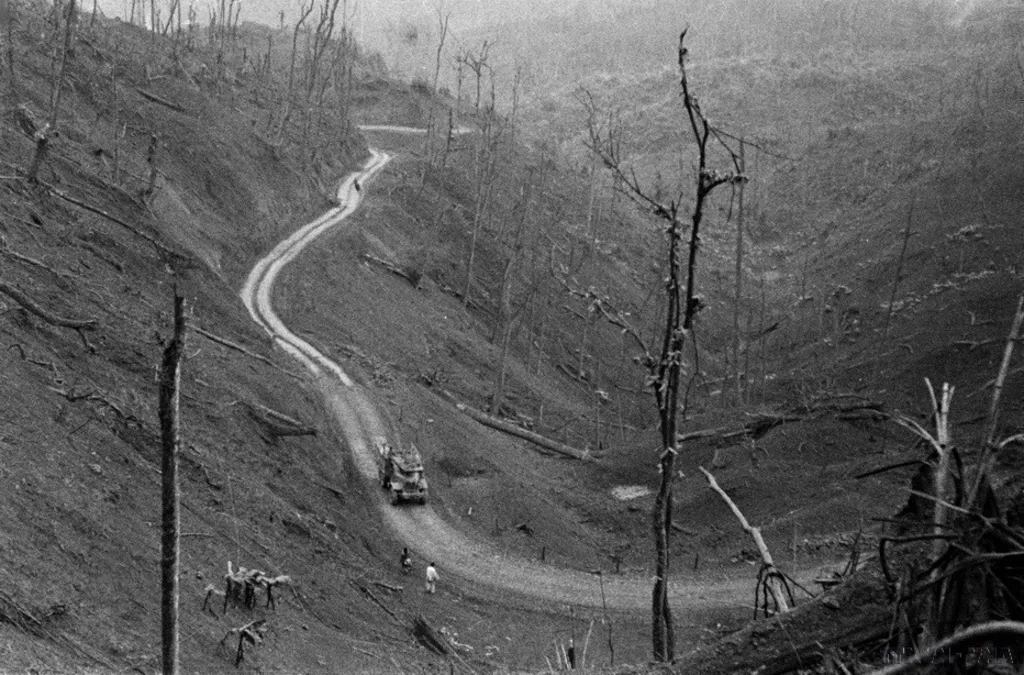 |
| Agent Orange/dioxin sprayed by the US military over southern Việt Nam destroyed habitats and crops, leaving consequences that persist to this day. |
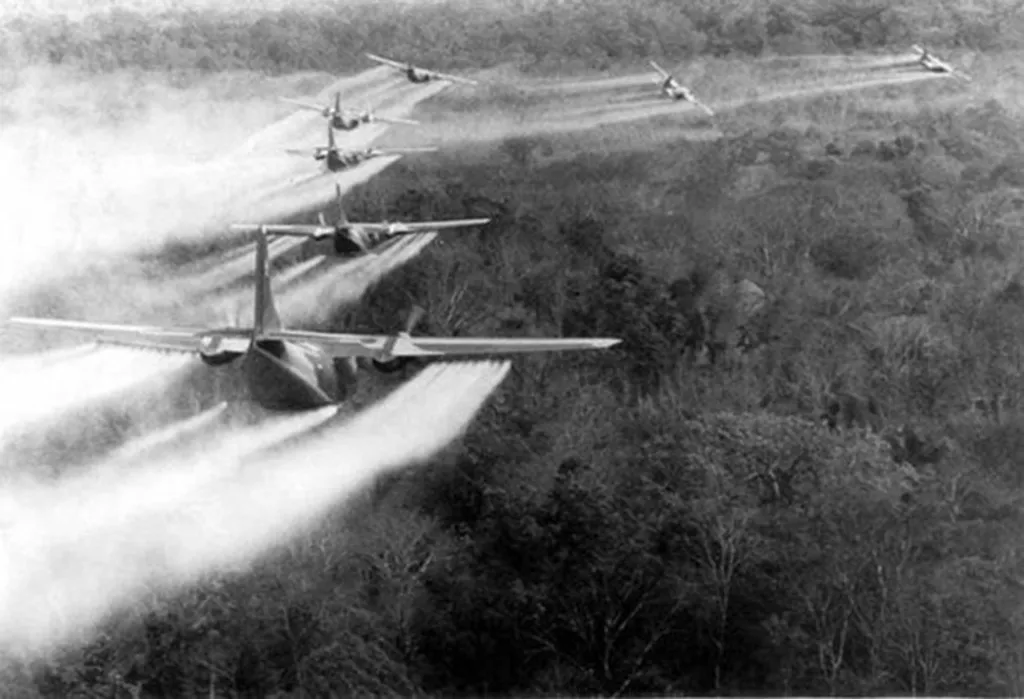 |
| A US military UC-123 aircraft sprays Agent Orange/dioxin over southern Việt Nam. |
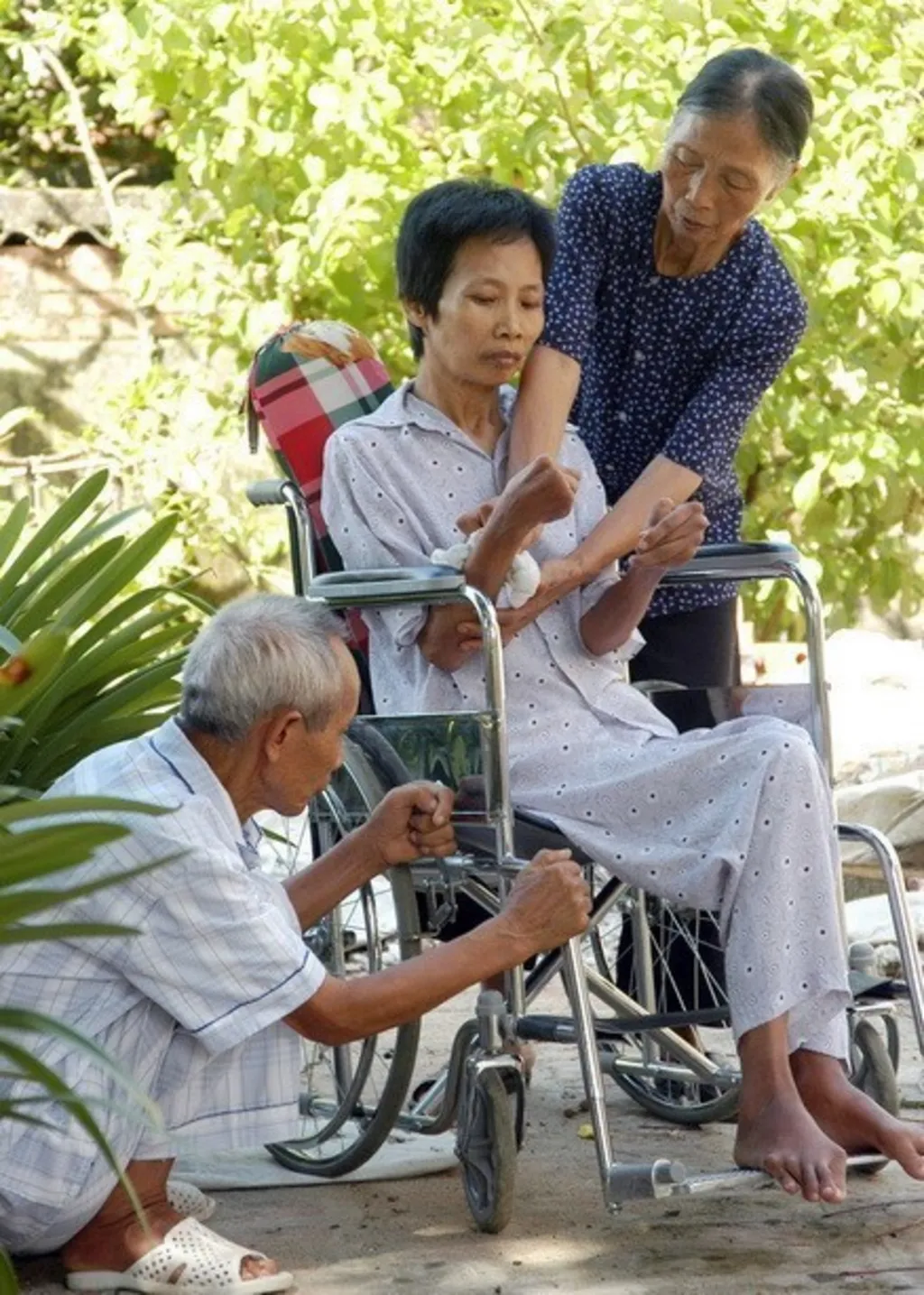 |
| Trần Thị Hòa of Gia Lập Commune, Gia Viễn District, a former Trường Sơn combat engineer with Division 472 of Group 559, was exposed to Agent Orange/dioxin. Paralysed throughout her body, she depended on the care of her elderly parents. |
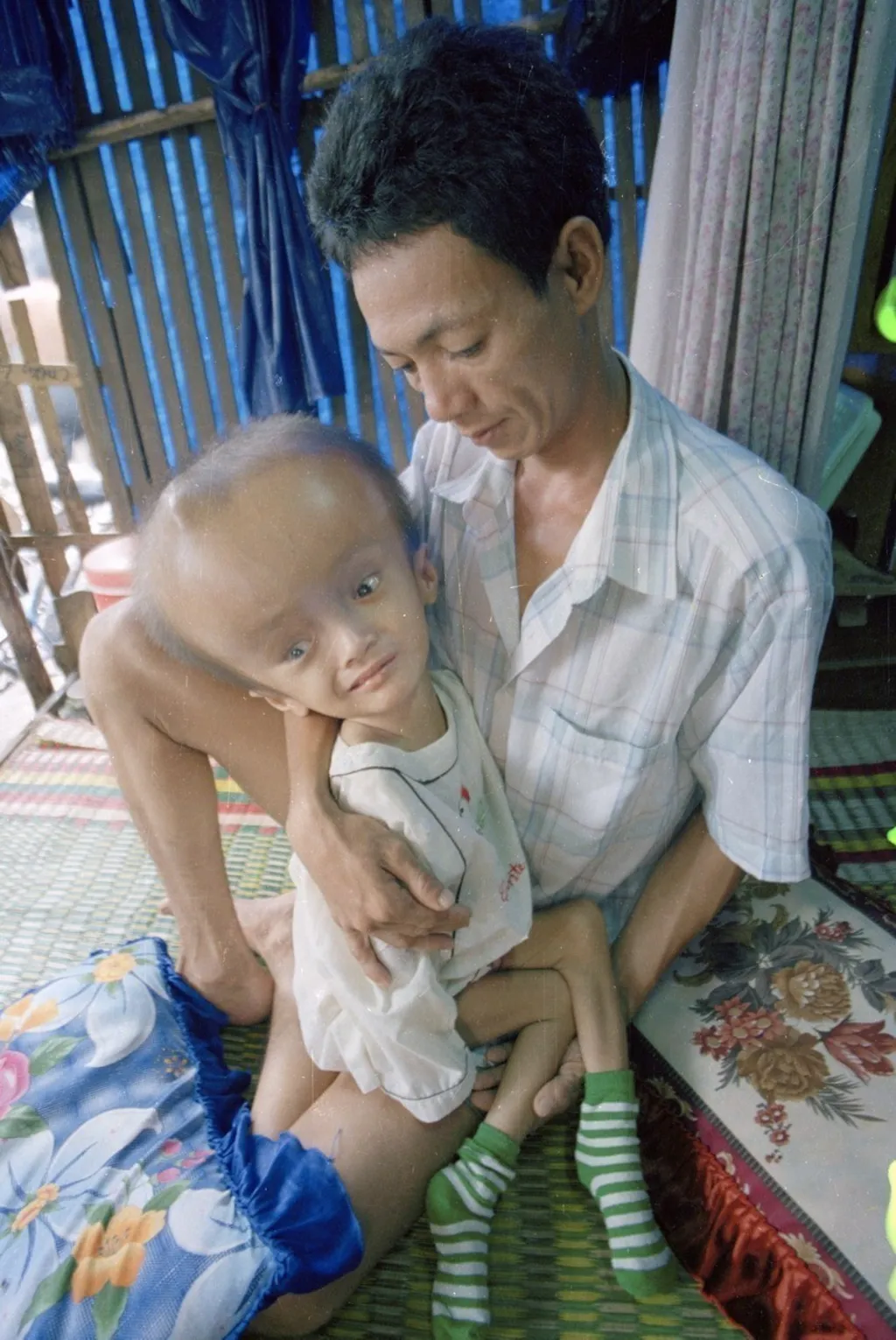 |
| Trần Quang Thân, a scrap collector at Đầm Market in Nha Trang, mainly worked at former US and southern military sites and was exposed to Agent Orange/dioxin. His child was born with deformities and memory impairment. The photo was taken in 2000. |
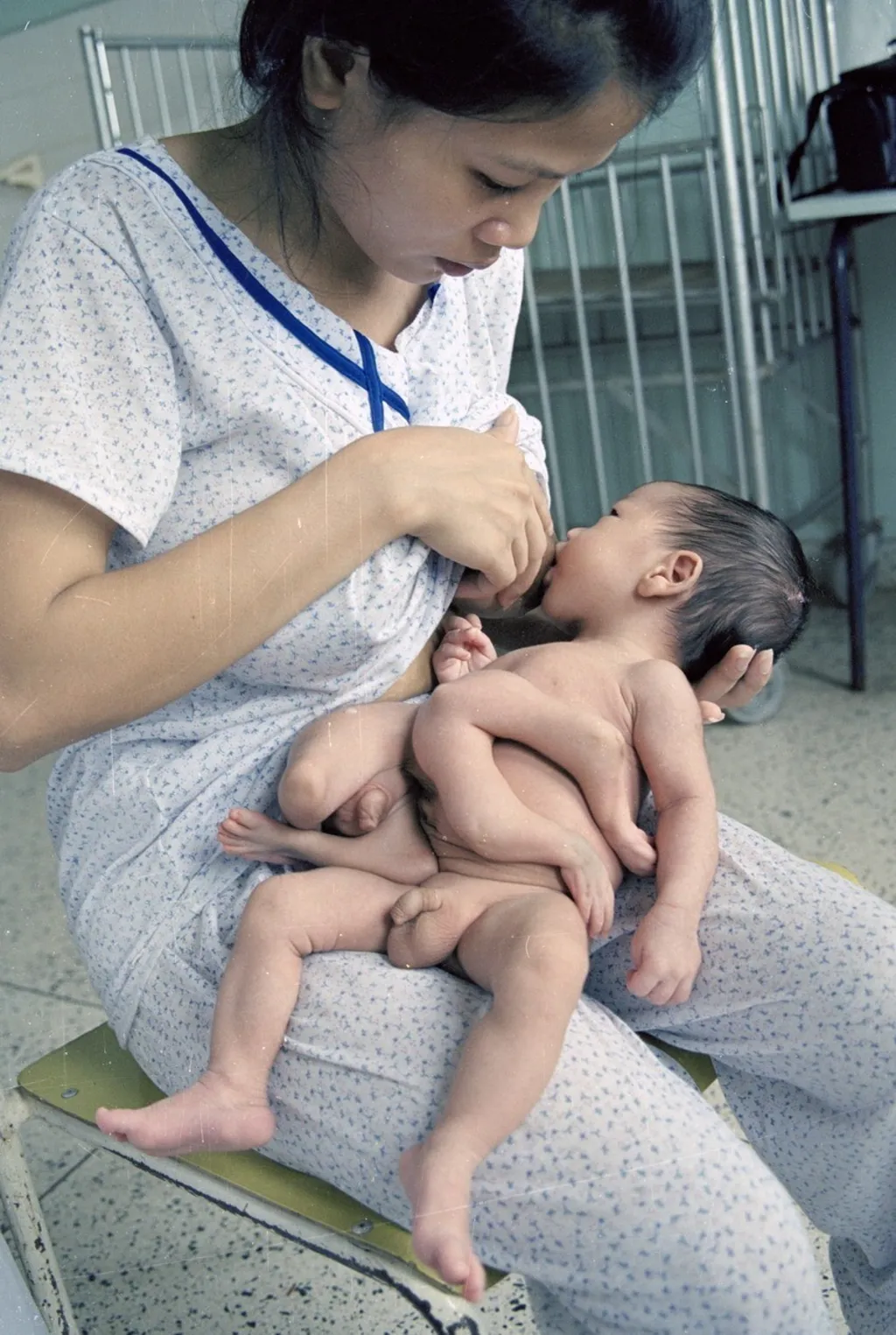 |
| Lê Tiến Dũng, whose father Lê Hồng Tuyến of Cam Lộ District, Quảng Trị Province, fought in the Quảng Trị battlefield during the resistance war against the US. Tuyến was exposed to Agent Orange, and Dũng was born with deformities linked to Agent Orange/dioxin. The photo was taken in 2000. |
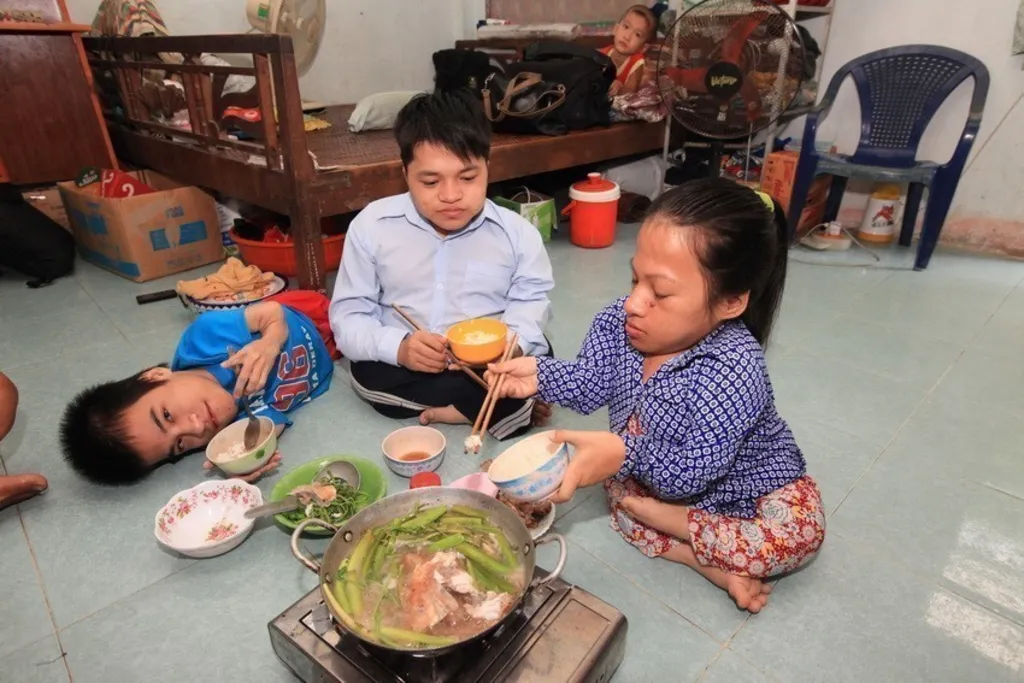 |
| Phạm Văn Bưởi and Nguyễn Thị Viễn of Mông Thọ A Commune, Châu Thành District, Kiên Giang Province, had three children affected by Agent Orange/dioxin. The photo was taken in 2016. |
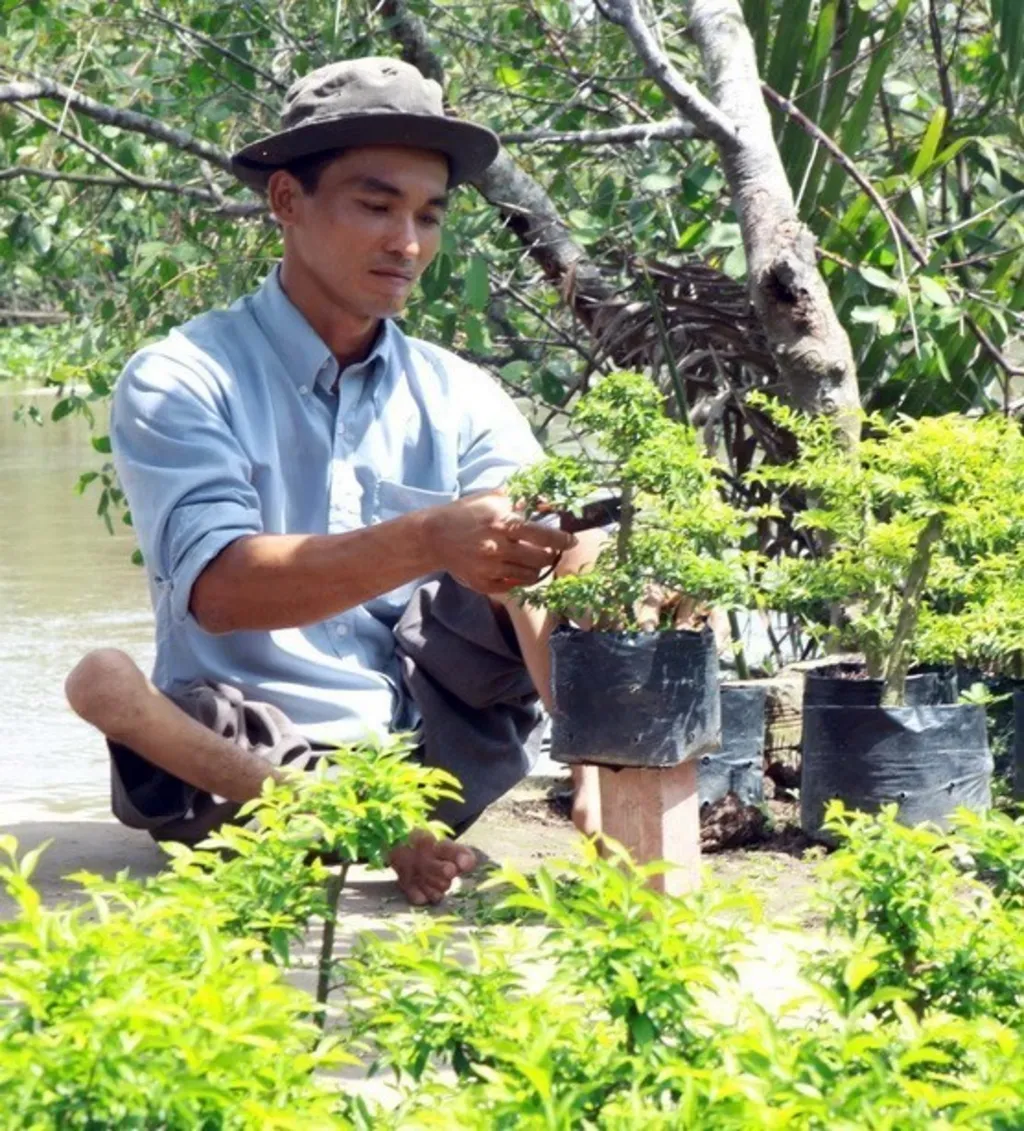 |
| Trần Văn Phú of Vĩnh Hòa Commune, Chợ Lách District, Bến Tre Province, was born with both legs paralysed because of the effects of Agent Orange/dioxin on his parents, civilians who lived in a chemically sprayed area. Moving on his knees, he overcame adversity to learn how to grow seedlings and ornamental flowers and opened a small home-based business that provided him with a stable income. The photo was taken in 2010. |
 |
| Võ Thị Yến Nhi of Ninh Sơn Ward, Tây Ninh City, has brittle bone disease linked to Agent Orange/dioxin exposure in her family. Unable to walk independently but determined to study, she was carried to school by her mother each day and attended lessons while lying down. |
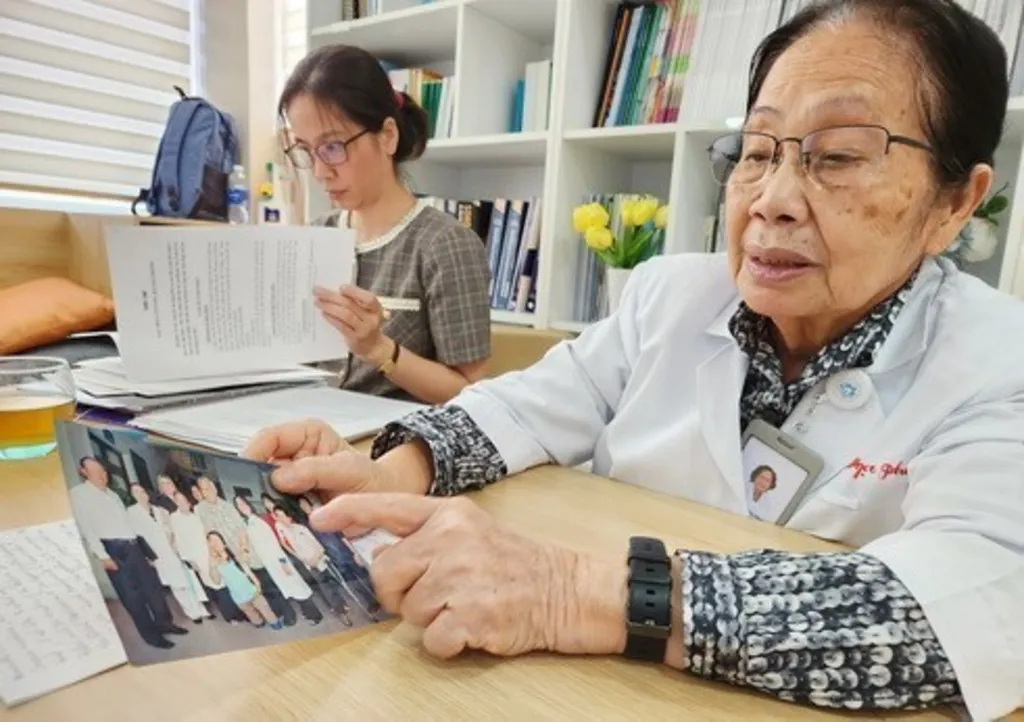 |
| Professor and Doctor Nguyễn Thị Ngọc Phượng, former director of Từ Dũ Hospital in HCM City and former vice-president of the Việt Nam Association for Victims of Agent Orange/Dioxin, speaks about her nearly 50-year journey seeking justice for victims. Currently vice-president of the Việt Nam Association of Gynaecology and Obstetrics, she received the 2024 Ramon Magsaysay Award, often described as Asia’s Nobel Prize. |
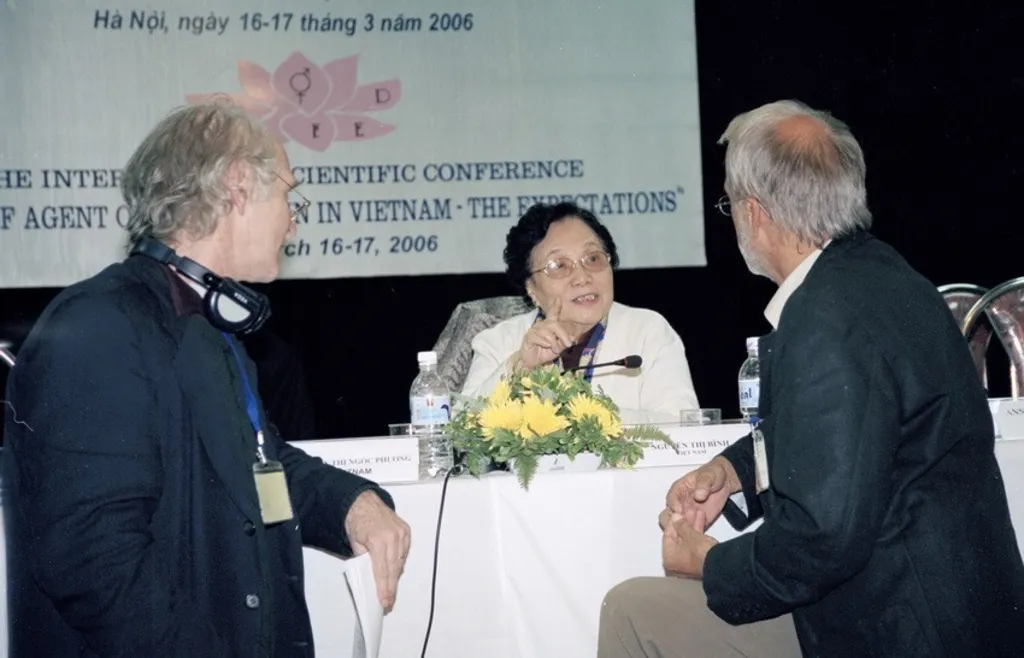 |
| Former Vice-President Nguyễn Thị Bình, honorary president of the Việt Nam Association for Victims of Agent Orange/Dioxin and president of the Việt Nam Peace and Development Foundation, talks with international delegates at the conference Agent Orange/Dioxin Victims: What They Want, held on March 16-17, 2006. |
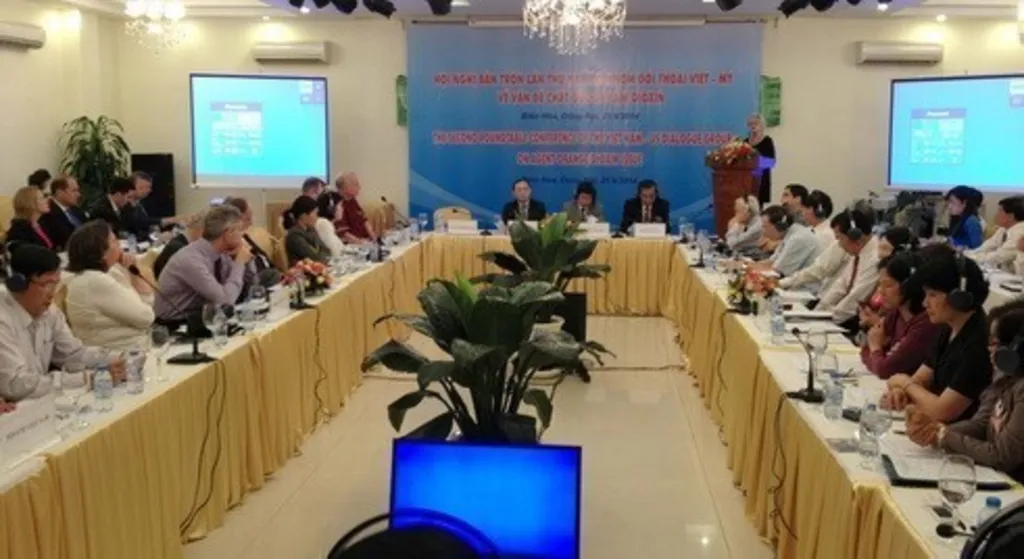 |
| The second roundtable of the Việt Nam-US Dialogue Group on Agent Orange/Dioxin takes place in Biên Hòa City, Đồng Nai Province, on April 21, 2014. The meeting reviewed efforts and contributions by different parties to address the consequences of Agent Orange/dioxin in Việt Nam. |
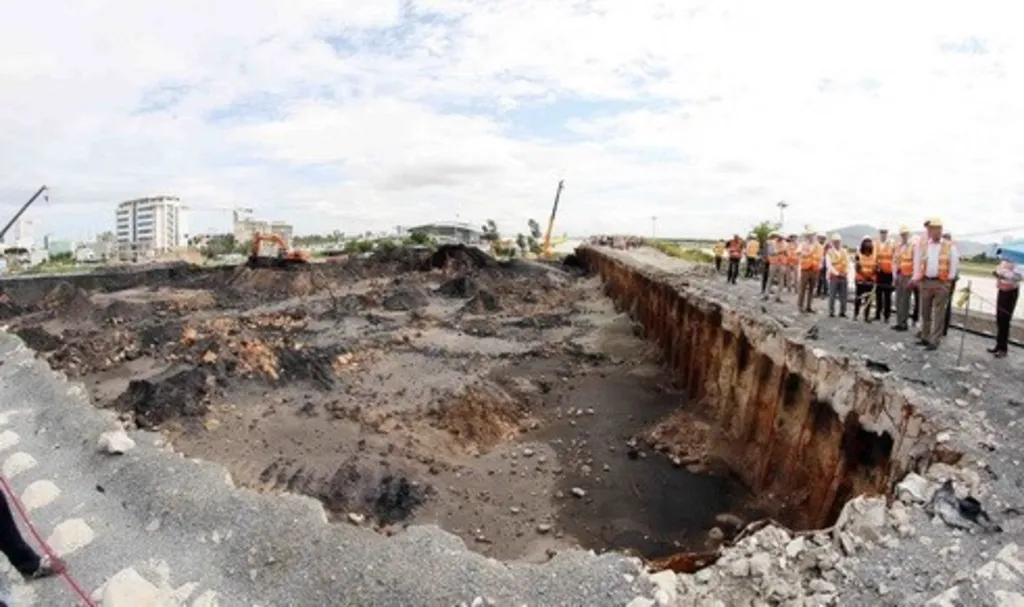 |
| A US congressional delegation led by Representative Ted Yoho, chairman of the House Foreign Affairs Subcommittee on Asia and the Pacific, inspects the dioxin remediation project at Đà Nẵng Airport on October 17, 2017. |
 |
| Việt Nam and the US sign a memorandum of intent between the US Agency for International Development and the Department of Military Science under Việt Nam’s Ministry of National Defence on January 23, 2018. The agreement launched the remediation of dioxin contamination at Biên Hòa Airport in Đồng Nai Province, the largest remaining dioxin hotspot in Việt Nam. The signing was witnessed by Senior Lieutenant General Nguyễn Chí Vịnh, Deputy Minister of National Defence, and US Ambassador Daniel J. Kritenbrink. |
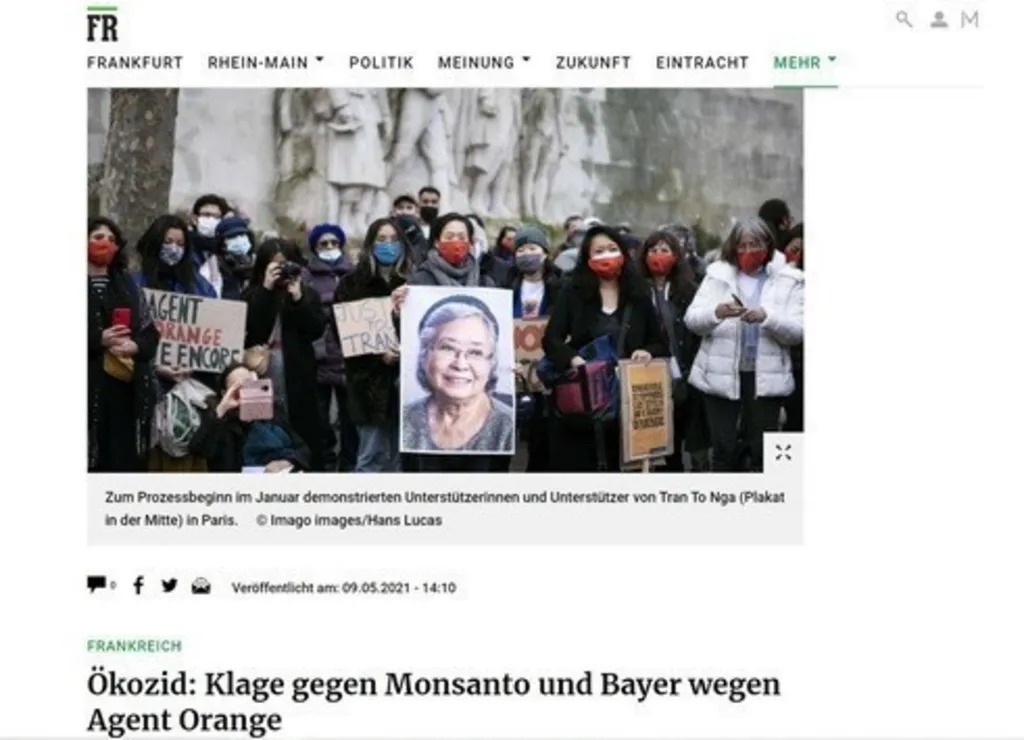 |
| Germany’s Frankfurter Rundschau publishes an article by Stefan Brändle on May 9, 2021, about Trần Tố Nga’s lawsuit in France against chemical companies that produced Agent Orange/dioxin for use by US forces during the war in Việt Nam. The article stressed that the chemical continues to cause harm in Việt Nam. |
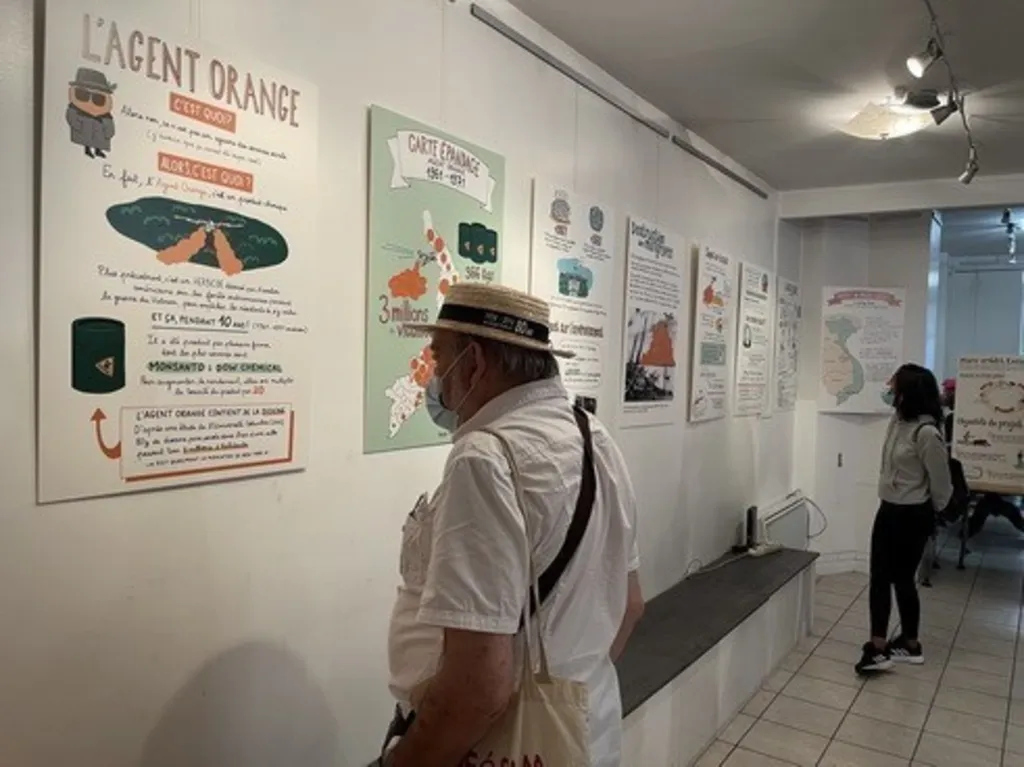 |
| The Union of Vietnamese Youth in France and Collectif Vietnam Dioxine open a graphic-art exhibition by artist Trâm Anh in Paris on August 7, 2021, marking 60 years since the Agent Orange disaster in Việt Nam. It was the first exhibition in France to address Agent Orange/dioxin in Việt Nam through graphic art. |
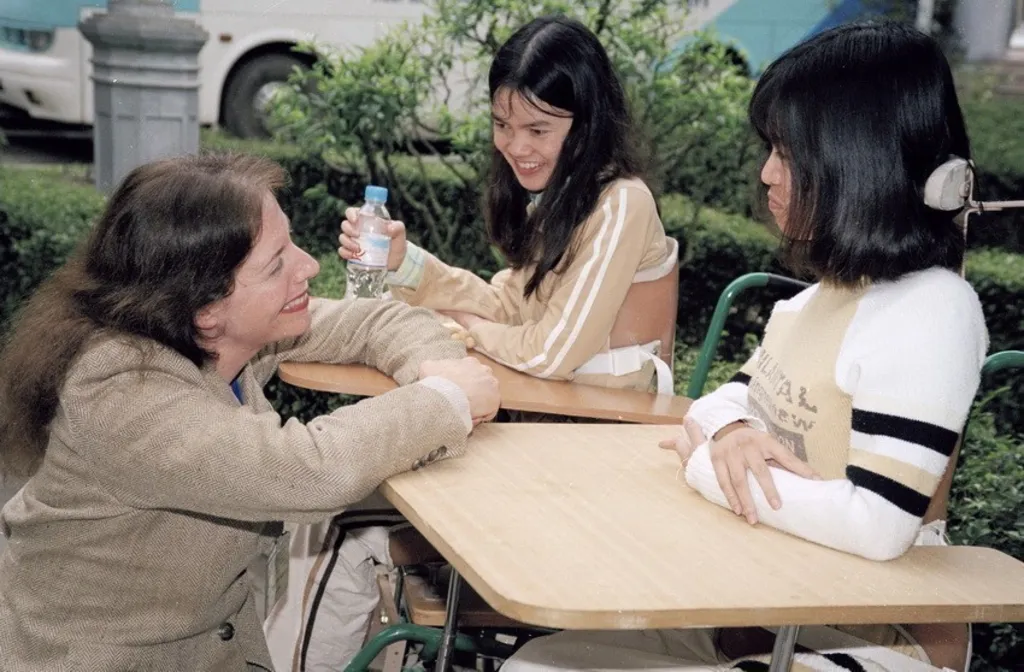 |
| US artist Debra Jeanne Kraus, whose husband was a war veteran exposed to Agent Orange/dioxin and later died, visits two victims receiving care and treatment at Hữu Nghị Village in former Hà Tây Province, now part of Hà Nội. |
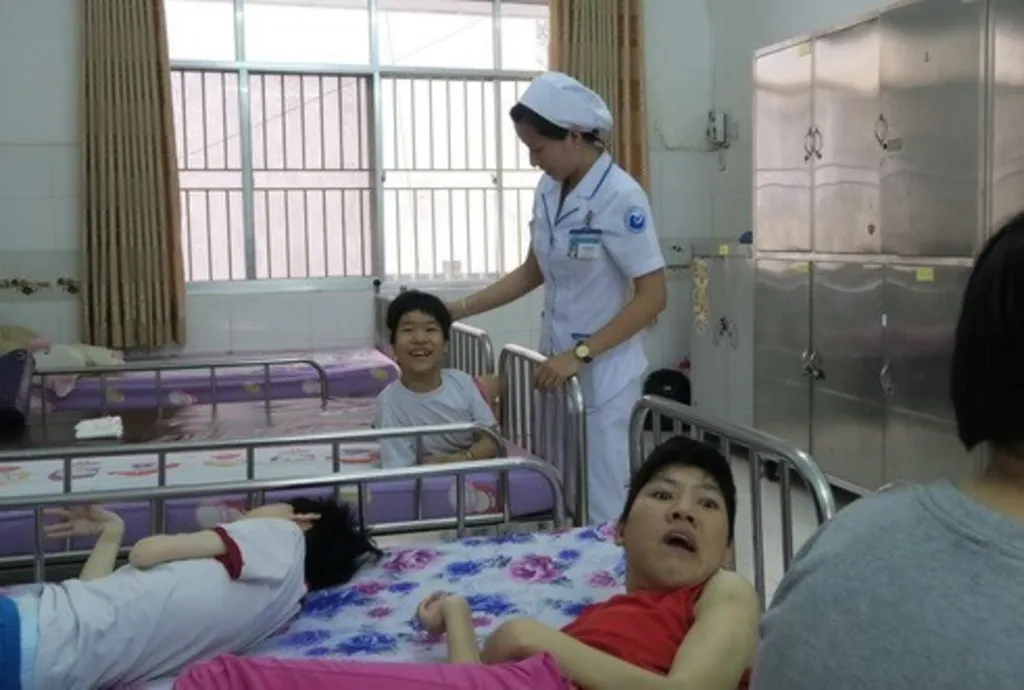 |
| Hòa Bình Village at Từ Dũ Hospital in HCM City has provided care and shelter for more than 400 children with disabilities, most of whom were affected by Agent Orange/dioxin. Of its 39 staff members, 36 are women who provide meals, healthcare, therapy and education for the children. |
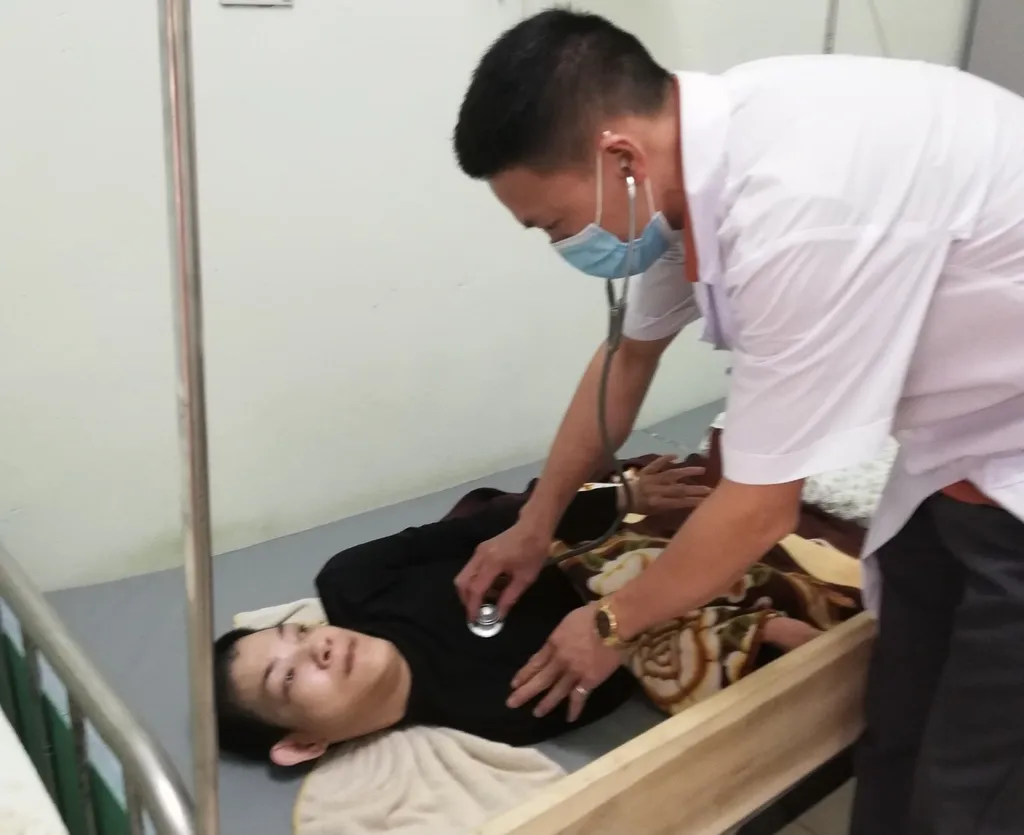 |
| Agent Orange/dioxin victims receive medical examinations and treatment at the Hà Nội Centre for the Care and Treatment of Agent Orange/Dioxin Victims. |
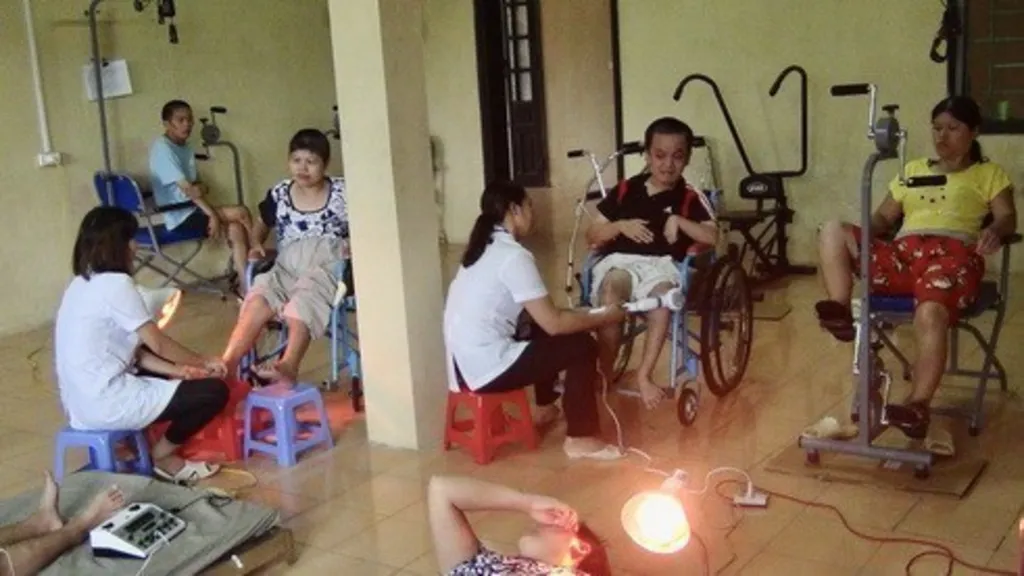 |
| Agent Orange/dioxin victims receive medical examinations and treatment at the Hà Nội Centre for the Care and Treatment of Agent Orange/Dioxin Victims. |
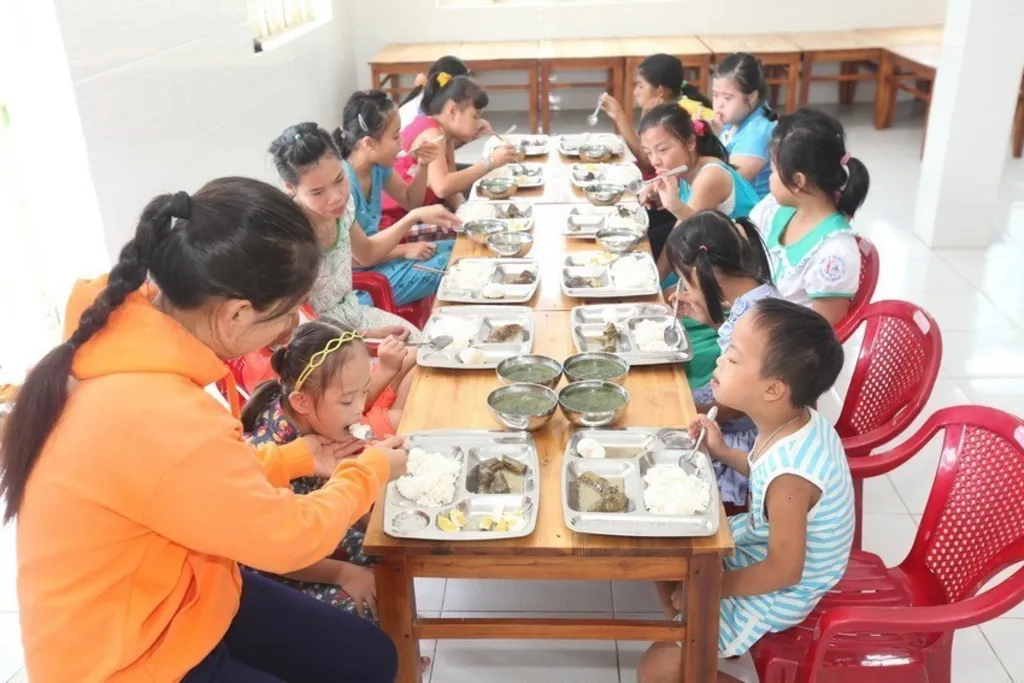 |
| The Quảng Nam Centre for Agent Orange/Dioxin Victims and Children with Disabilities provides daytime care for dozens of children from Tam Kỳ City and the districts of Núi Thành and Phú Ninh. |
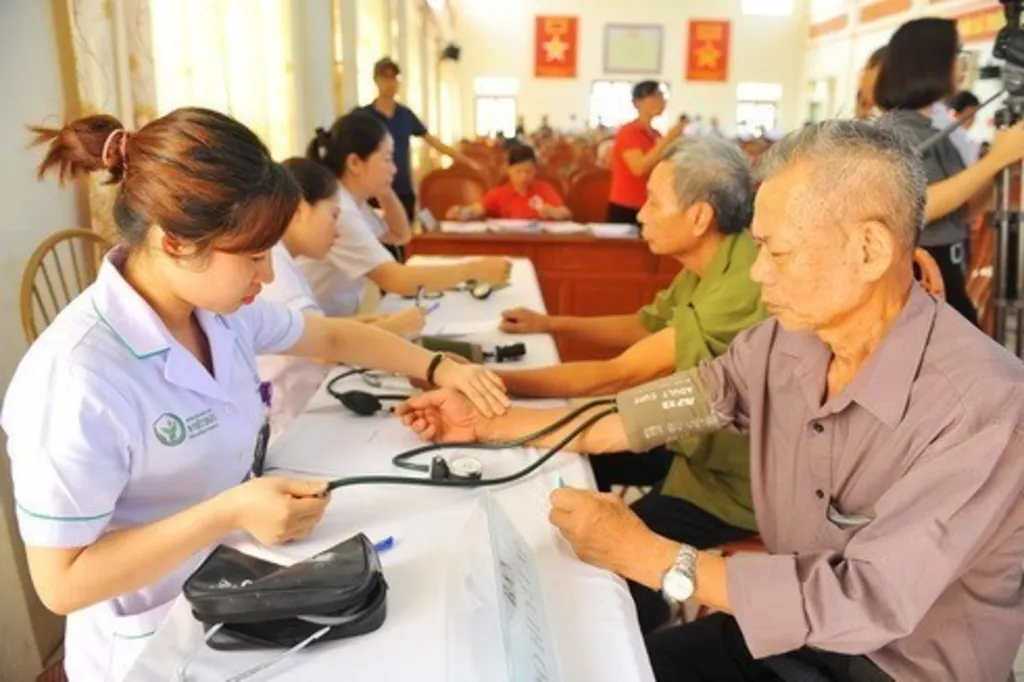 |
| Agent Orange/dioxin victims receive free medical examinations, health advice and medicines in Kim Sơn District on August 10, 2019. The programme was jointly organised by the Ninh Bình Association for Victims of Agent Orange/Dioxin, the provincial Red Cross Society and Việt Đức Friendship Hospital to mark the Day for Agent Orange Victims. |
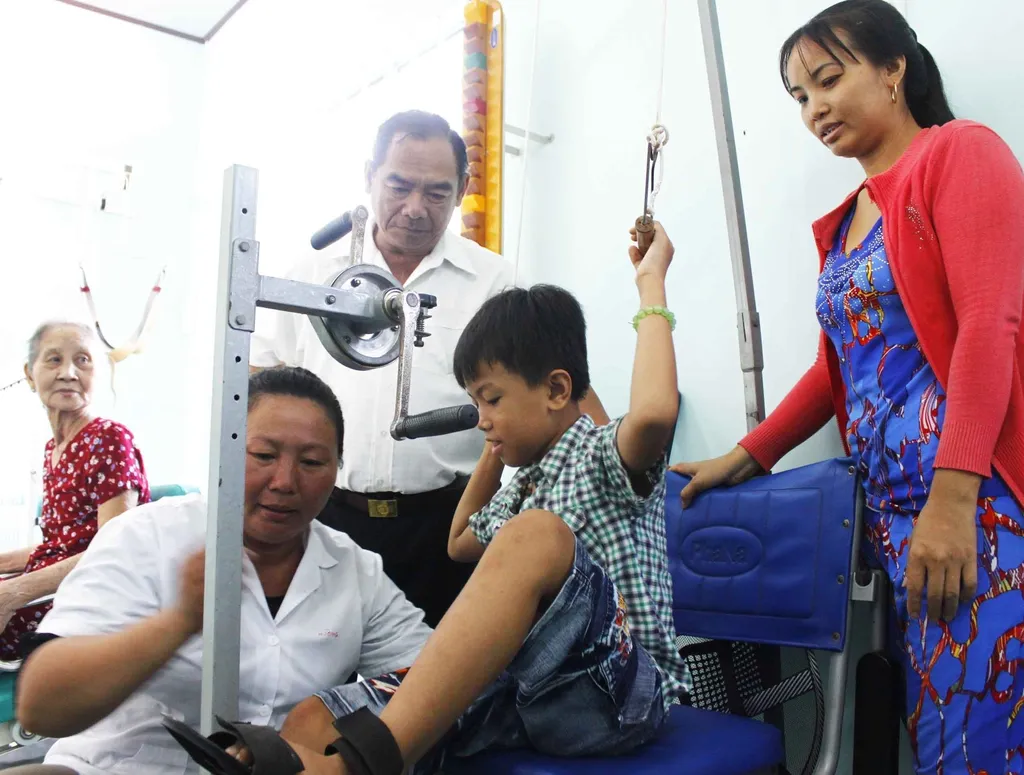 |
| Representatives of a sponsor visit and guide children through rehabilitation exercises at the Tam Bình District Rehabilitation Centre for Agent Orange/Dioxin Victims in Vĩnh Long Province on April 22, 2017. The provincial association for victims and its sponsor donated exercise equipment worth more than VNĐ40 million to the centre. |
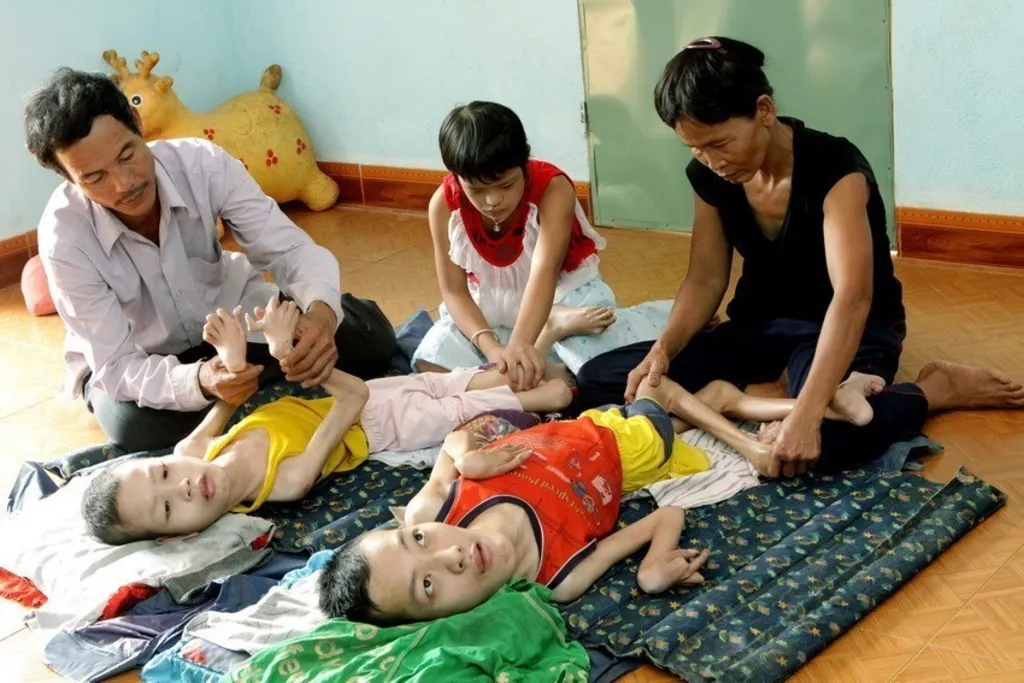 |
| Nguyễn Hữu Dõng’s family in Tiên Châu Commune, Tiên Phước District, Quảng Nam Province, had seven children with conditions linked to Agent Orange. It was among 200 families that gradually stabilised their lives through a project funded by the US-based War Legacies Project and supported by a local Agent Orange victims’ fund from 2007. The photo was taken in 2011. |
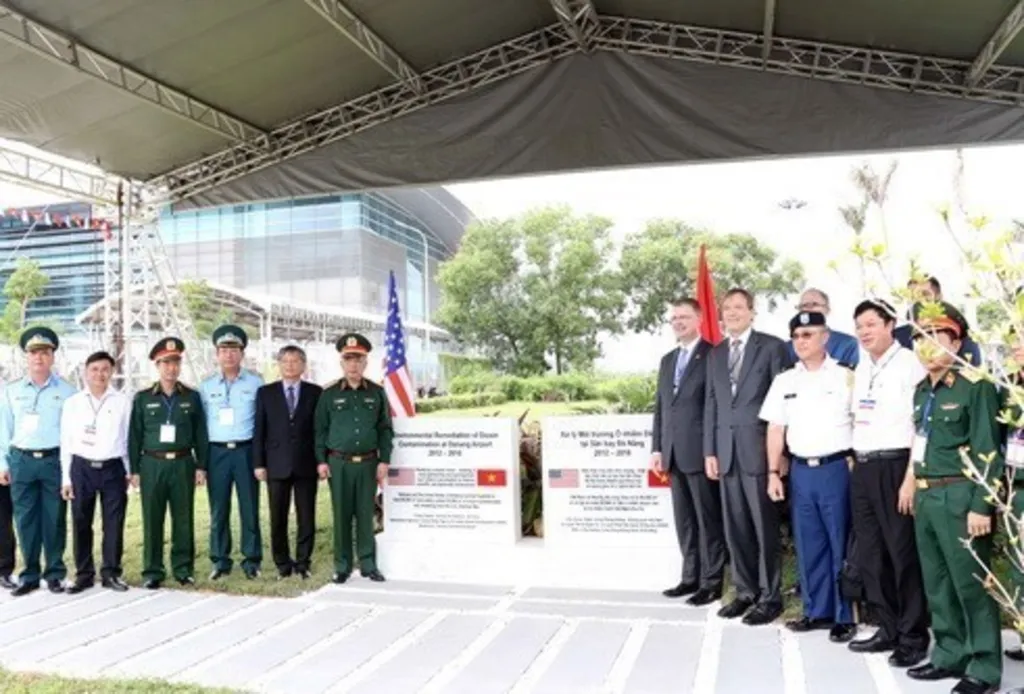 |
| Việt Nam and the US complete the six-year, US$110 million dioxin remediation project at Đà Nẵng Airport on November 7, 2018. The airport was one of Việt Nam’s two largest dioxin hotspots, alongside Biên Hòa Airport in Đồng Nai Province. |
 |
| Prime Minister Phạm Minh Chính receives US friends who support Agent Orange/dioxin victims on May 15, 2022 |
Society
 Society
 Society
 Society
 Society
 Society
 Society
 Society
 Society
 Society
 Society
 Society
 Society
 Society
.jfif) Society
Society