 Society

Việt Nam, Singapore promote cooperation through Party-to-Party channel
1.
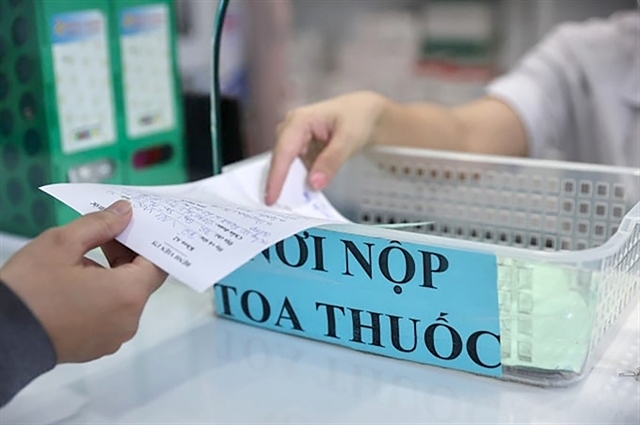 |
| Medical staff dispense medication to patients at a hospital pharmacy in HCM City. Authorities have stepped up inspections of pharmacies and tightened penalties for the illegal sale of prescription medicines. — VNA/VNS Photo |
HCM CITY — HCM City authorities have fined a number of pharmacies in the city for selling prescription medicines without doctors’ prescriptions, as the government intensifies efforts to curb the misuse of antibiotics and other regulated drugs linked to a growing antimicrobial resistance crisis.
The sanctions, announced by the city Department of Health, come weeks after Việt Nam doubled penalties for the illegal sale of prescription medicines and tightened restrictions on pharmaceutical businesses under new regulations that took effect in May.
A branch of the Pharmacity pharmacy chain in Tân Sơn Hòa Ward was fined VNĐ30 million (US$1,136) for selling prescription drugs without a doctor's prescription, according to a list of administrative penalties published by the city's health authorities.
Phú Châu Pharmacy in Tân Hưng Ward was fined VNĐ17.5 million for the same violation.
The largest fine in the latest enforcement action was imposed on Hải Châu Pharmacy in Hiệp Bình Ward, which was ordered to pay VNĐ39 million after inspectors found multiple violations.
The violations included selling prescription medicines without a prescription, operating in the absence of its designated professional supervisor, and failing to properly isolate expired, recalled or untraceable medicines.
Several other pharmacies were also sanctioned for breaches related to drug storage conditions, professional staffing requirements and the handling of medicines with unclear origins.
The department said the publication of administrative sanctions was intended to improve transparency and strengthen oversight of pharmaceutical businesses.
The department has stepped up inspections of pharmacies in recent years amid concerns over the widespread sale of prescription drugs without adequate medical supervision.
New rules
The government introduced tougher penalties under Decree No. 90/2026 on administrative sanctions in the health sector, which took effect on May 15.
Under the new rules, individuals and businesses found selling prescription medicines without a doctor's order face fines of between VNĐ10 million and VNĐ20 million, double the previous maximum penalty.
The regulations also increase penalties for pharmaceutical professionals who lend or lease their practice certificates and prohibit the online sale of prescription medicines, restricted-sale pharmaceuticals and specially controlled drugs through e-commerce platforms.
The crackdown reflects growing concern among health authorities and public health experts over the widespread misuse of antibiotics in Việt Nam, where patients have long been able to purchase many prescription medicines directly from pharmacies without consulting a doctor.
The practice has been identified as a major contributor to antimicrobial resistance, a phenomenon in which bacteria and other pathogens evolve to withstand medicines designed to kill them, making infections harder and more expensive to treat.
The World Health Organization estimates that nearly 300,000 deaths in Việt Nam between 2020 and 2023 were associated with antimicrobial resistance, underscoring the scale of what global health authorities have described as one of the most serious public health threats facing the world.
Health experts say stronger enforcement of prescription drug regulations, combined with tighter controls on antibiotic use in both healthcare and agriculture, will be essential if the country is to curb the spread of drug-resistant infections. — VNS
Society
 Society
 Society
 Society
 Society
 Society
 Society
 Society
 Society
 Society
 Society
 Society
 Society
 Society
 Society