 Society

Việt Nam, Singapore promote cooperation through Party-to-Party channel
1.
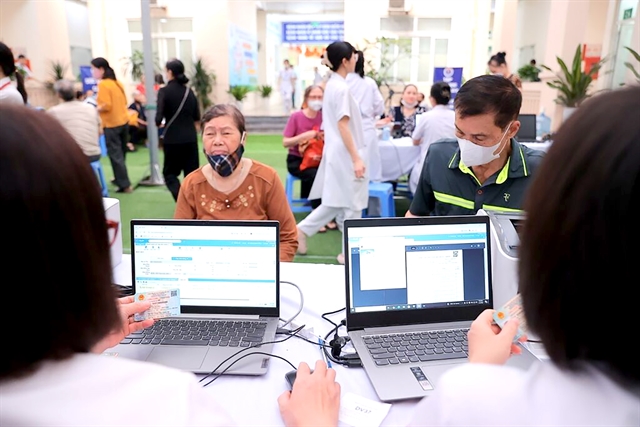 |
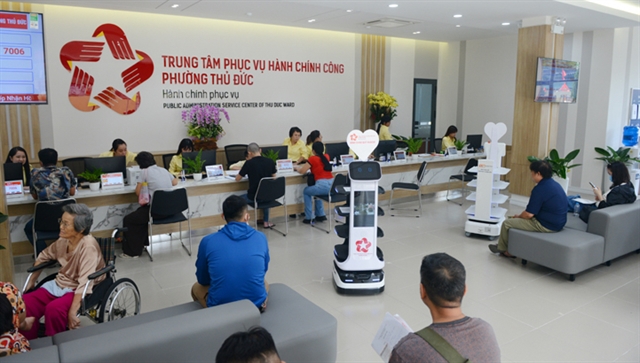
| Patients will only need to present their national ID cards, allowing healthcare workers to securely access their medical records through the integrated digital health system, streamlining procedures and improving the quality of care. — VNA/VNS Photo |
HÀ NỘI — The Ministry of Health has launched a nationwide 90-day campaign to clean, enrich and standardise data across 12 specialised healthcare databases as part of efforts to accelerate digital transformation in the health sector.
Running from July to September 2026, the campaign aims to ensure health data is accurate, complete, clean, continuously updated and interoperable, providing a stronger foundation for public administration, healthcare services and data sharing across government systems.
Under a plan signed by Deputy Minister of Health Nguyễn Tri Thức, the ministry considered the move a key step towards improving data quality while enabling seamless connectivity with the National Population Database, the National Integrated Database, and the National Data Centre.
The 12 databases covered include those relating to social assistance facilities and beneficiaries, preventive healthcare and HIV/AIDS, healthcare environmental management, people with disabilities, social work professionals, child management, food safety, medical examination and treatment, healthcare workforce management, the National Immunisation Information System, and maternal, child and reproductive health information systems.
Beyond correcting existing records, the campaign also seeks to establish long-term mechanisms for routine data verification, error detection and continuous updates, ensuring healthcare information remains 'live' and reliable after the campaign concludes.
The ministry said data cleansing would combine centralised technical processing with verification by local authorities. Automatically detectable errors will be corrected through technical solutions, while inconsistencies involving personal identity, residence, civil status or other specialised information will be verified by the agencies that originally collected the data.
Authorities have also been instructed to ensure strict compliance with cybersecurity, information security and personal data protection regulations, particularly those concerning health records, children's data and other sensitive information. Records must not be deleted, merged or altered without sufficient professional verification.
The Ministry of Health has assigned specific responsibilities to departments overseeing each database, requiring them to develop data standards, mandatory information fields and quality control procedures while working closely with the National Health Information Centre to support implementation nationwide.
The ministry has also requested support from the Ministry of Public Security in verifying personal identification numbers, residence information and citizen status, as well as facilitating connections with national databases and strengthening cybersecurity for healthcare information systems.
Technology partners will provide infrastructure, data quality assessment tools, error detection systems, integration solutions and technical training throughout the campaign.
Provincial and municipal authorities have been asked to direct health departments, local police, civil registration offices and other relevant agencies to coordinate implementation.
At the local level, provincial health departments will oversee training, assign responsibilities for each database and monitor progress, while healthcare facilities, Centres for Disease Control, vaccination centres, HIV/AIDS treatment facilities, food safety agencies and other units will review and update records within their respective areas.
Communal-level authorities will establish dedicated data teams, with local police verifying identity and residence information, civil registration officials confirming birth and death records, health stations reviewing medical data and grassroots officials assisting with field verification where information is incomplete or inaccurate.
According to the ministry, the campaign is expected to strengthen healthcare governance, improve policy-making and public service delivery, while supporting the development of digital government and a nationwide digital health ecosystem through a unified and interoperable healthcare data platform. — VNS
Society
 Society
 Society
 Society
 Society
 Society
 Society
 Society
 Society
 Society
 Society
 Society
 Society
 Society
 Society