From July 4 to 8, Bắc Ninh Province is collecting more than 13,000 DNA samples from relatives of unidentified fallen soldiers, the largest campaign of its kind ever conducted in the province.
Part of the nationwide 500 Days and Nights Campaign, the initiative aims to build a national DNA database to help identify the remains of war martyrs and fulfil the long-held wish of countless families to bring their loved ones home.
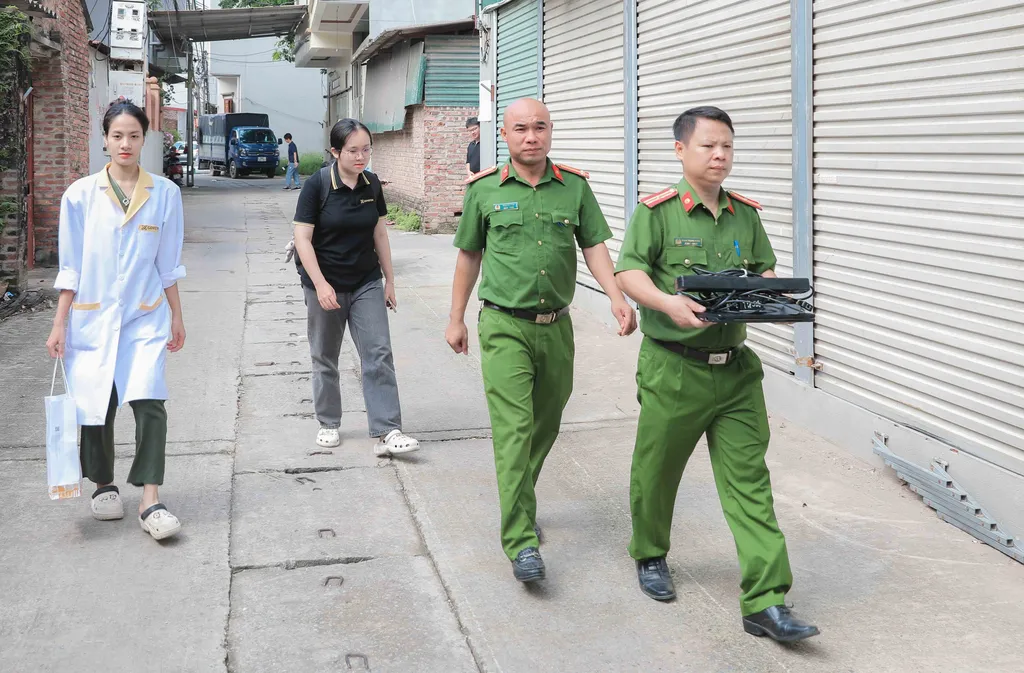
With support from police officers, local authorities and volunteers, elderly and infirm relatives are guided through every stage of the process, while mobile teams visit homes and hospitals to collect samples from those unable to travel. The campaign combines modern DNA technology with a deeply humanitarian mission to restore the identities of those who sacrificed their lives for the nation.
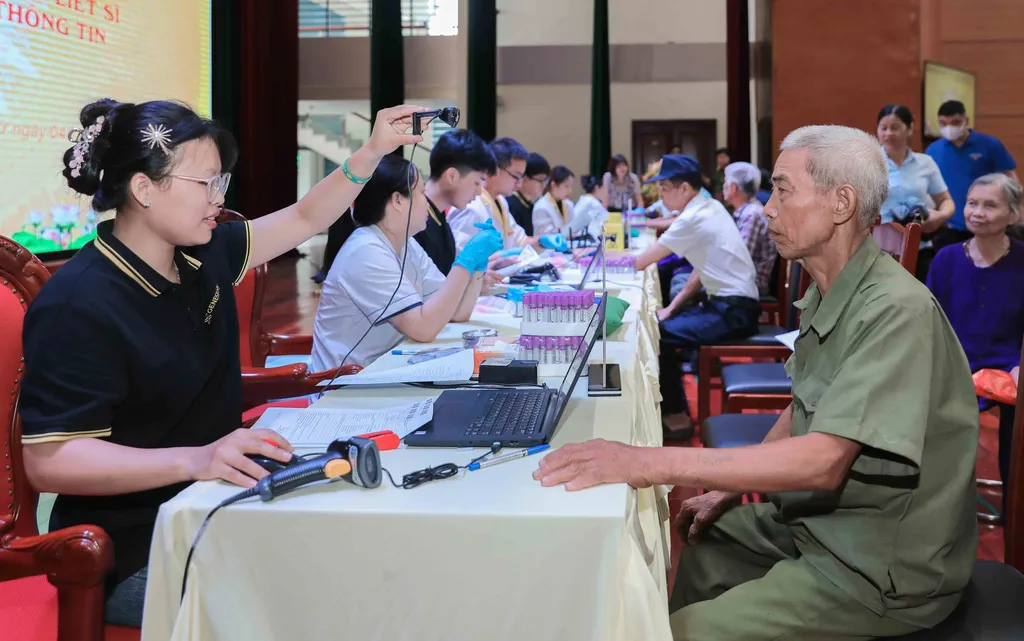 |
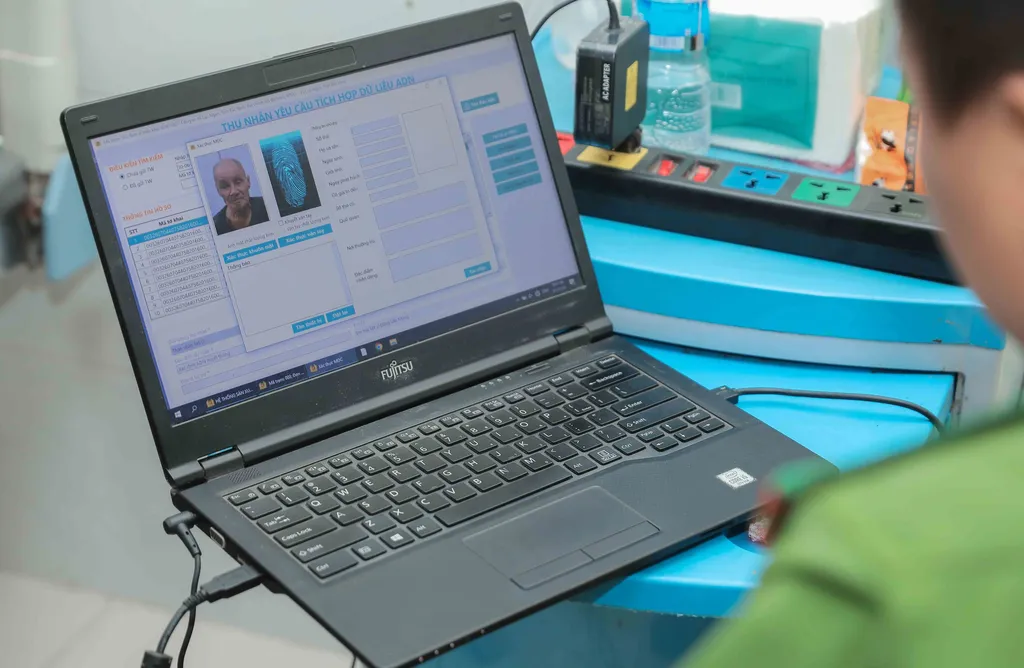
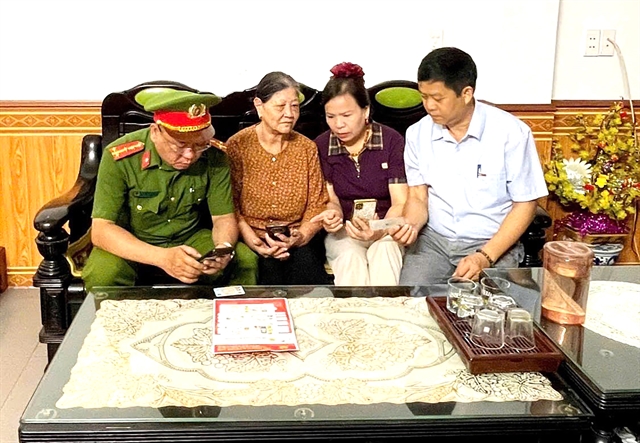
| Officials verify participants' identities through the VNeID system before transferring the information to the Genestory database for DNA analysis. VNA/VNS Photos |
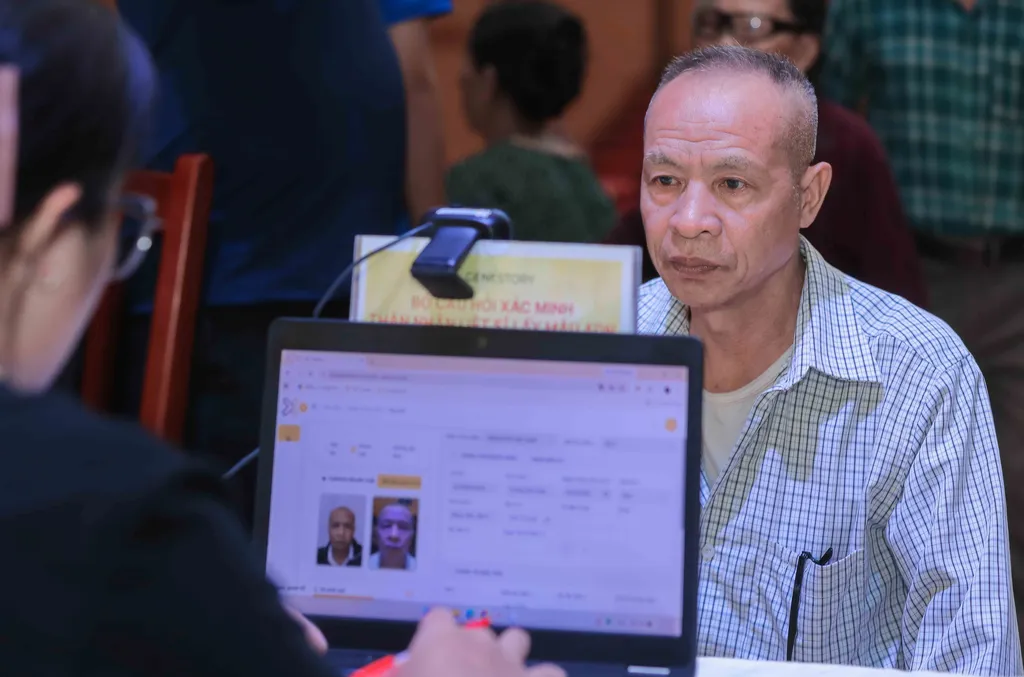 |
| Officials use the VNeID system to verify participants' identities before synchronising the data with the Genestory database for DNA analysis. |
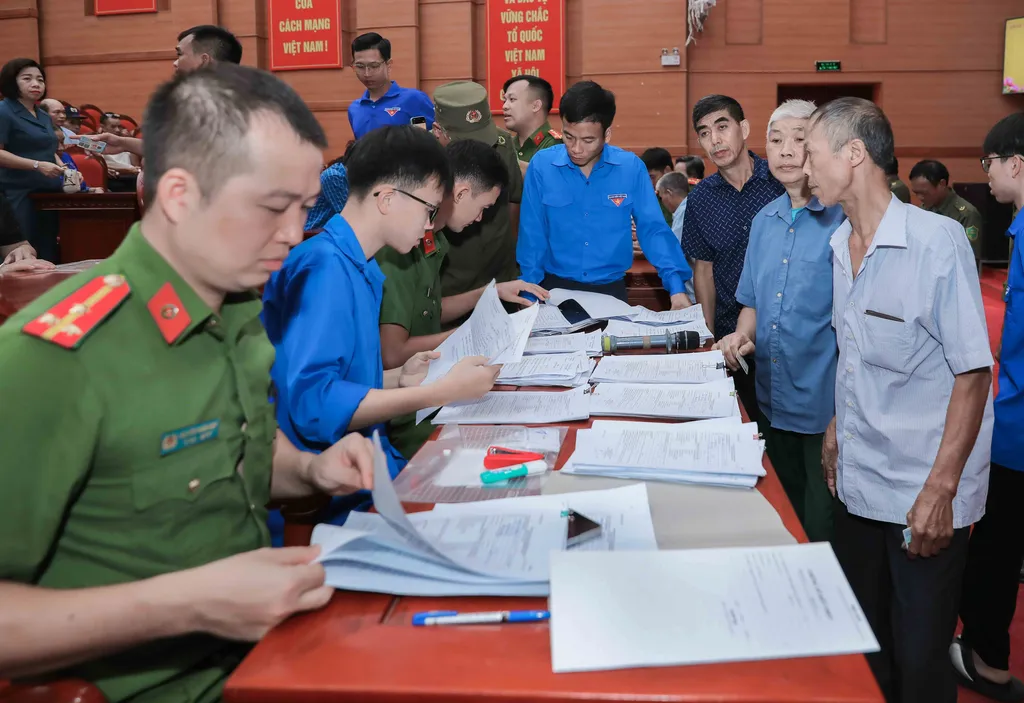 |
| Relatives of fallen soldiers register before providing DNA samples at a collection point in Yên Phong Commune, Bắc Ninh Province. |
 |
| The DNA sample collection process is carried out under strict procedures to ensure accuracy and safety. |
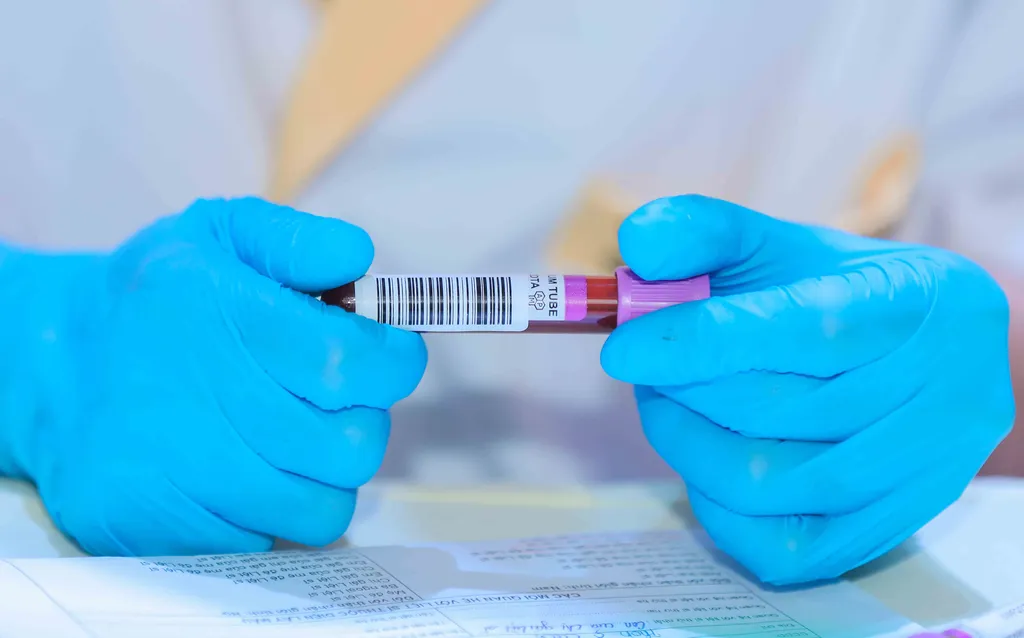 |
| From July 4 to 8, authorities collected more than 13,000 DNA samples from relatives of fallen soldiers in the largest campaign of its kind ever conducted in Bắc Ninh Province. |
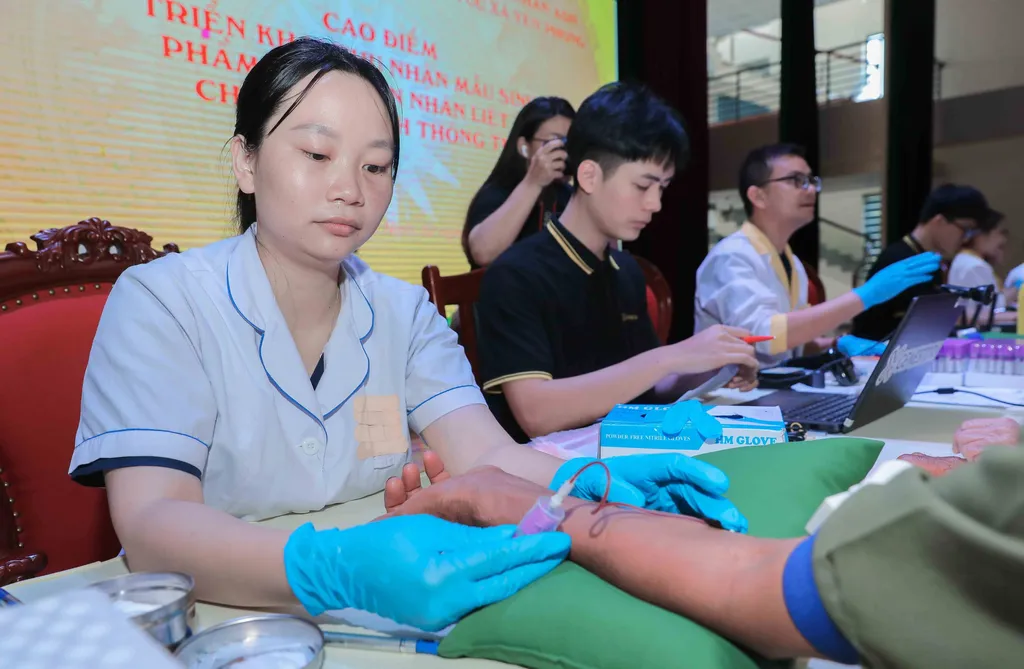 |
| The DNA sample collection process is carried out under strict procedures to ensure accuracy and safety. |
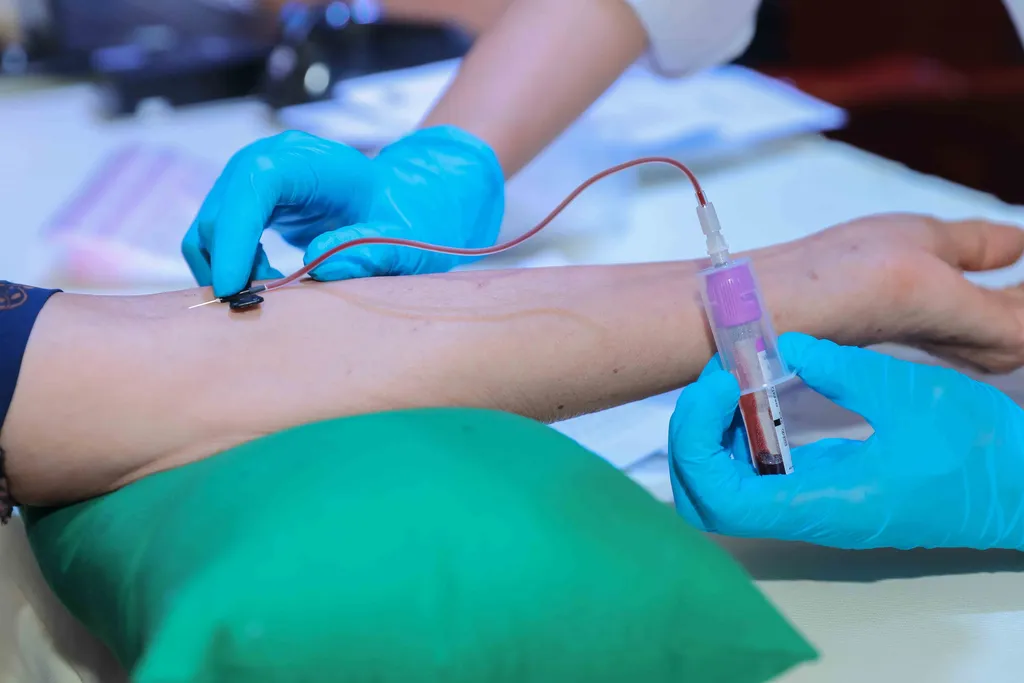 |
| Modern DNA technology will help speed up the identification of fallen soldiers while bringing comfort to families who have waited decades to bring their loved ones home. |
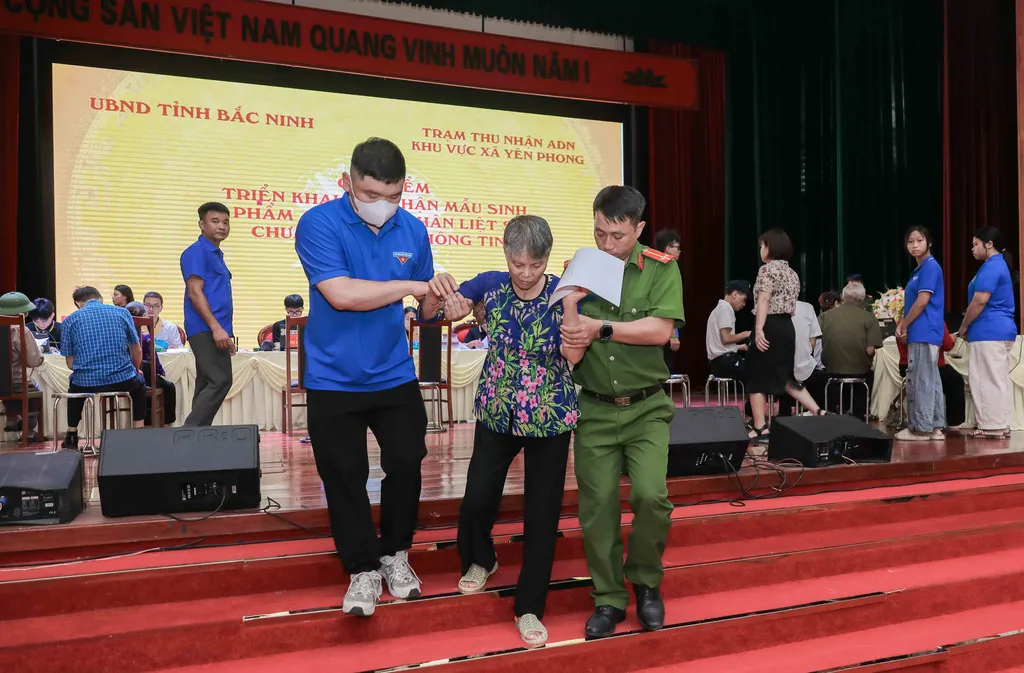 |
| Police officers in Yên Phong Commune, together with volunteers, assist elderly relatives of fallen soldiers throughout the DNA collection process. |
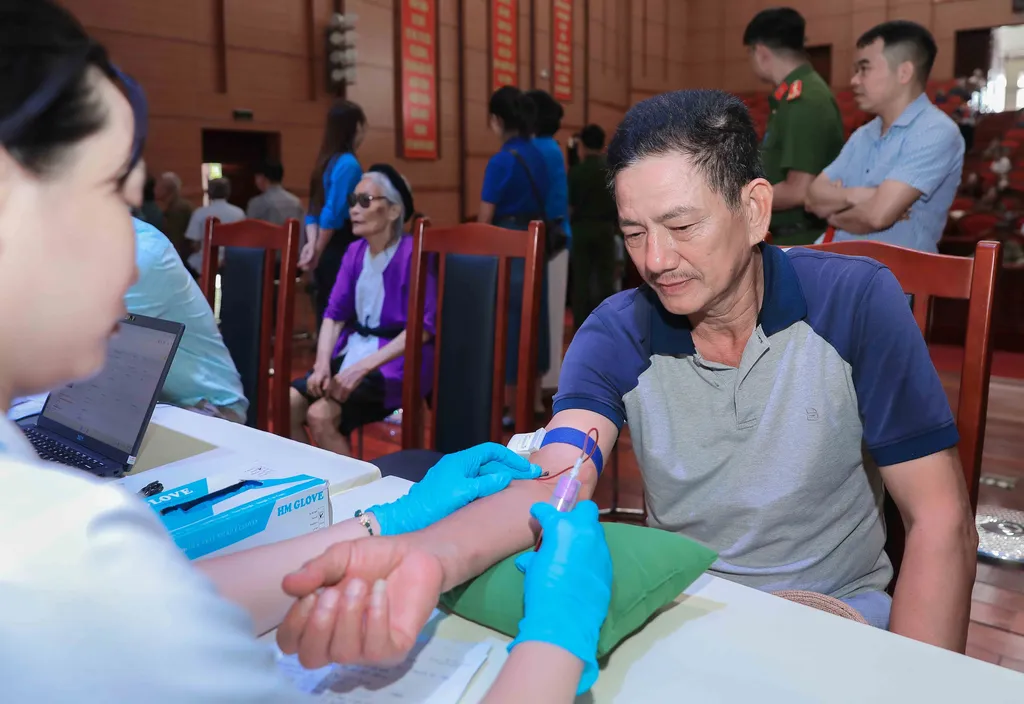 |
| Collecting DNA samples is a key step in building a national database to help identify the remains of fallen soldiers and fulfil the long-held wish of families to reunite with their loved ones. |
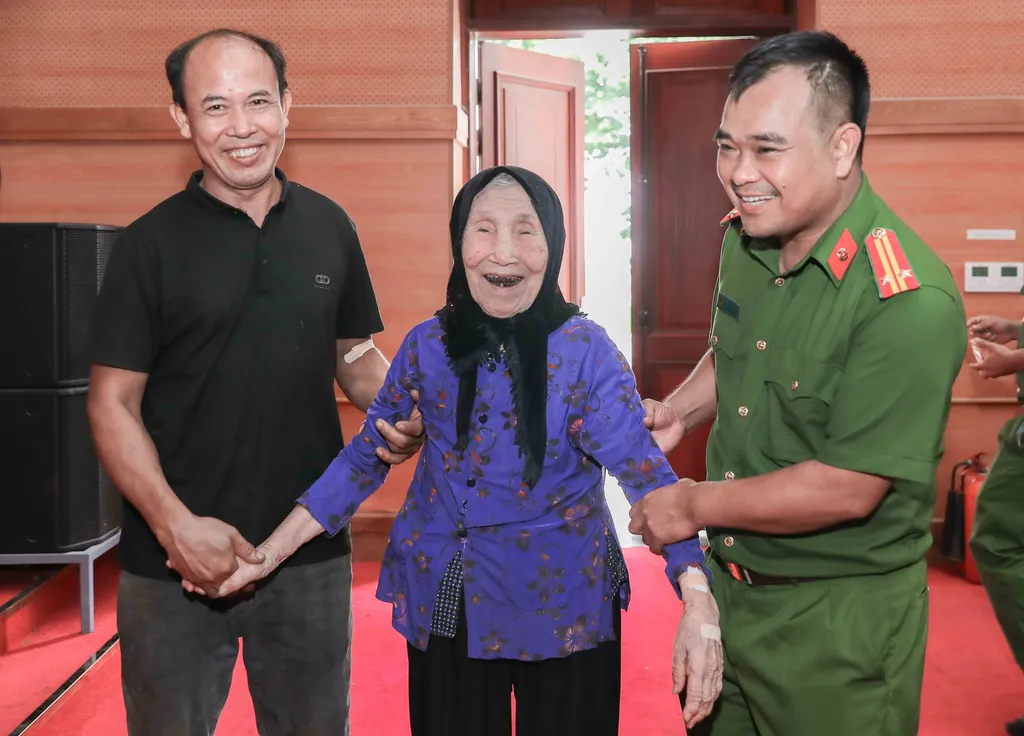 |
| Nguyễn Thị Khay, born in 1941 in Tam Đa Commune and the elder sister of fallen soldier Nguyễn Văn Khương, becomes emotional after providing a DNA sample. Having searched in vain for her brother for many years, she expressed gratitude for the support she received from officials throughout the process. |
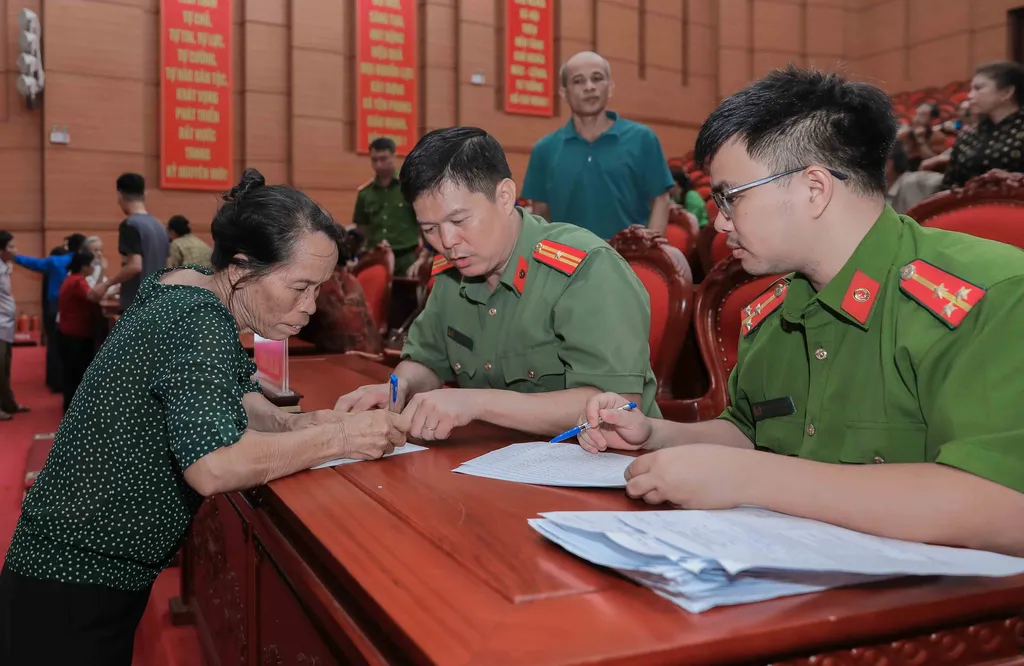 |
| Police officers help relatives of fallen soldiers verify their personal information and complete the required documents before DNA sampling. |
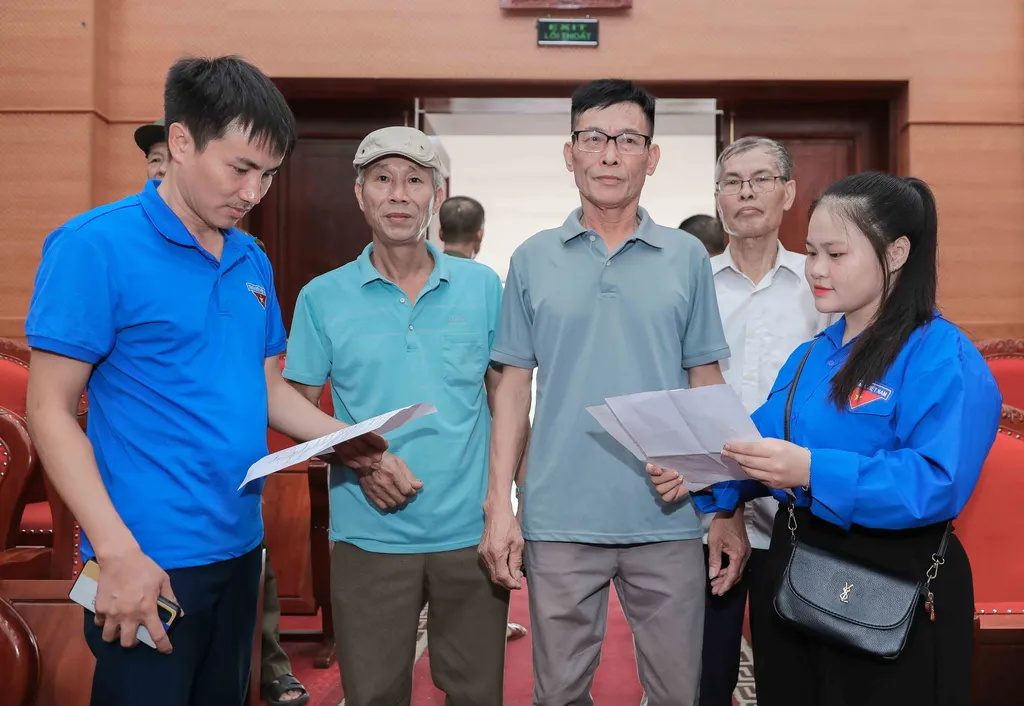 |
| Youth volunteers assist elderly relatives of fallen soldiers with travel and registration during the DNA collection campaign. |
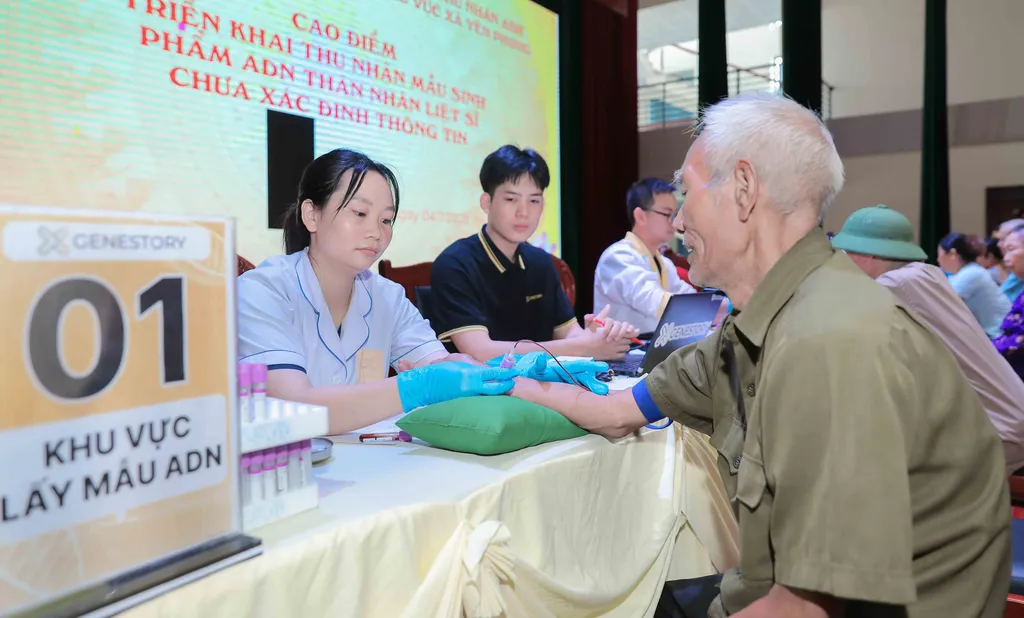 |
| From July 4 to 8, authorities collected more than 13,000 DNA samples from relatives of fallen soldiers in the largest campaign of its kind ever conducted in Bắc Ninh Province. |
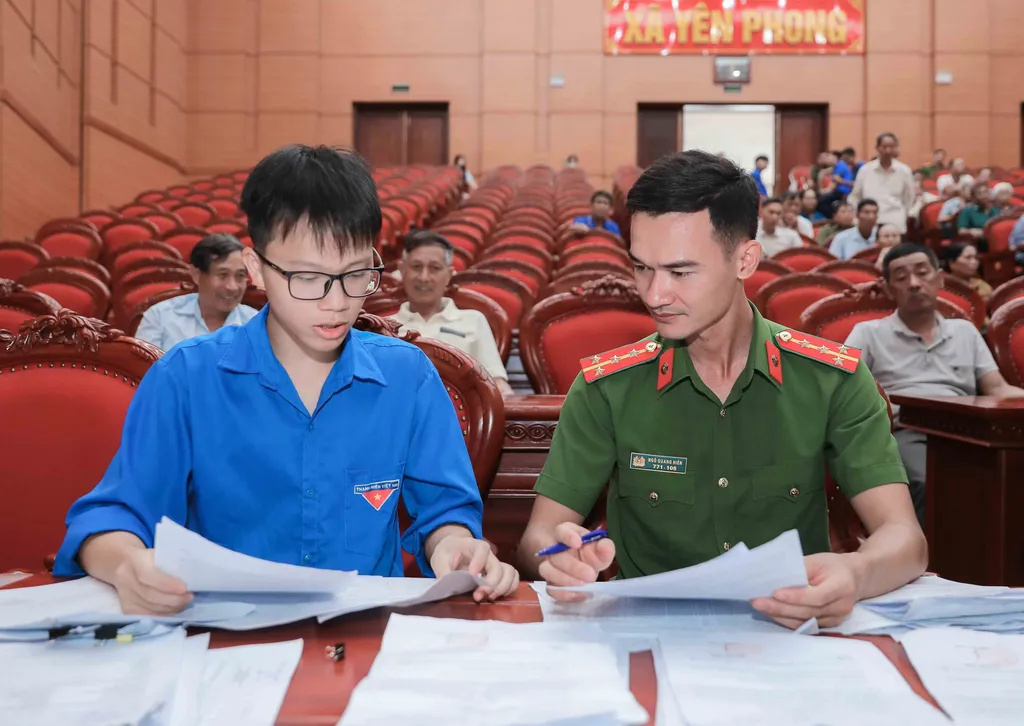 |
| At collection points, local authorities and relevant agencies guide participants through every stage of the process, including document verification, biometric authentication, fingerprinting and blood sample collection. |
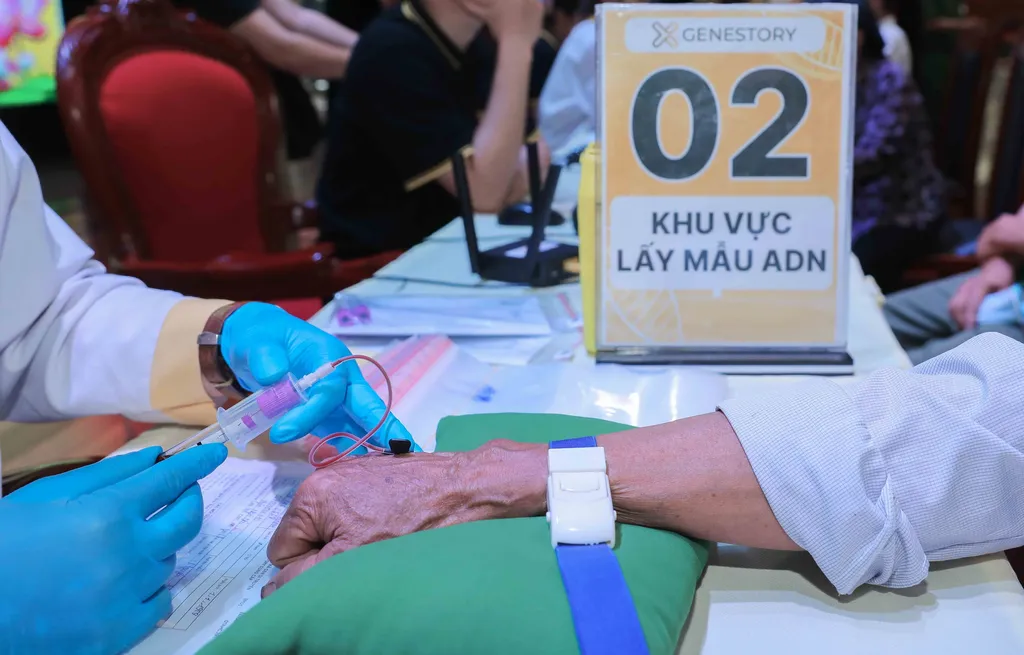 |
| From July 4 to 8, authorities collected more than 13,000 DNA samples from relatives of fallen soldiers in the largest campaign of its kind ever conducted in Bắc Ninh Province. |
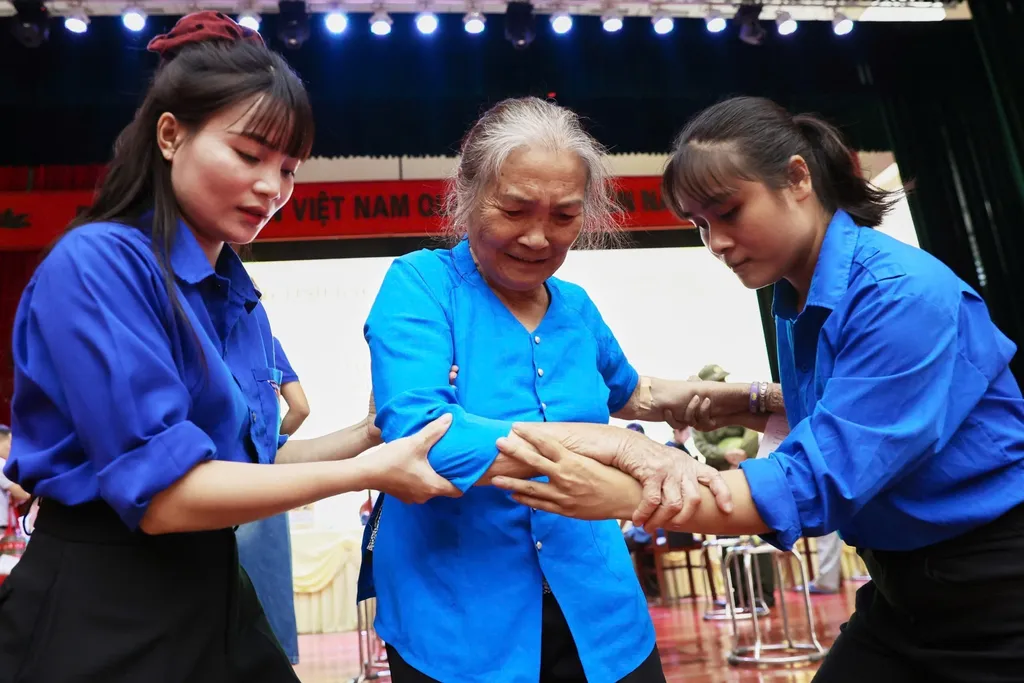 |
| Youth volunteers assist elderly relatives of fallen soldiers with travel and registration during the DNA collection campaign. |
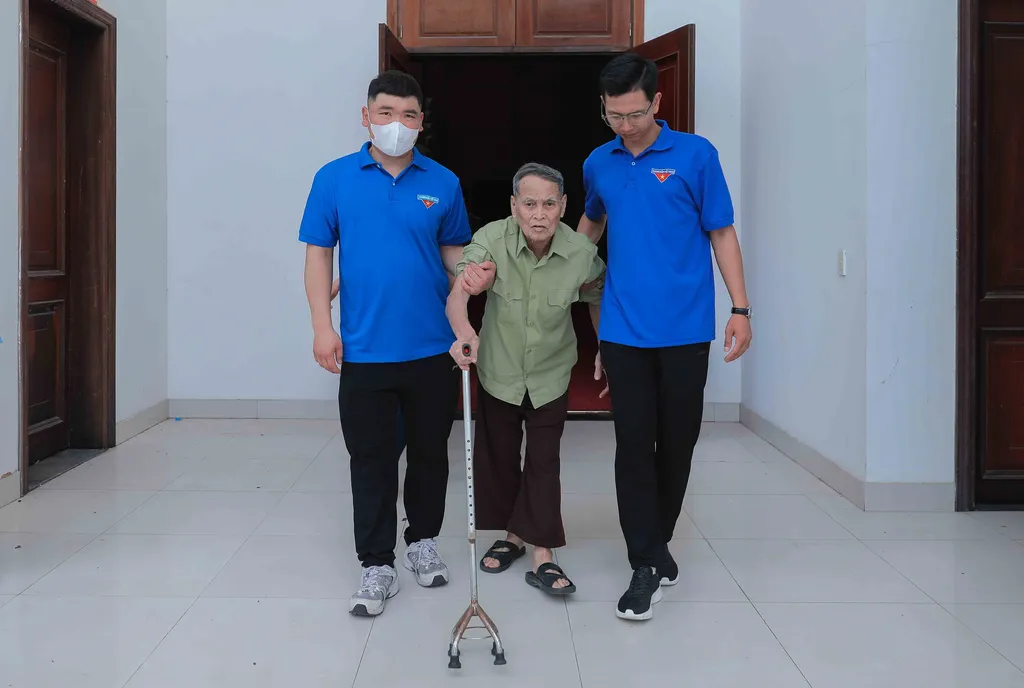 |
| Youth volunteers assist elderly relatives of fallen soldiers with travel and registration during the DNA collection campaign. |
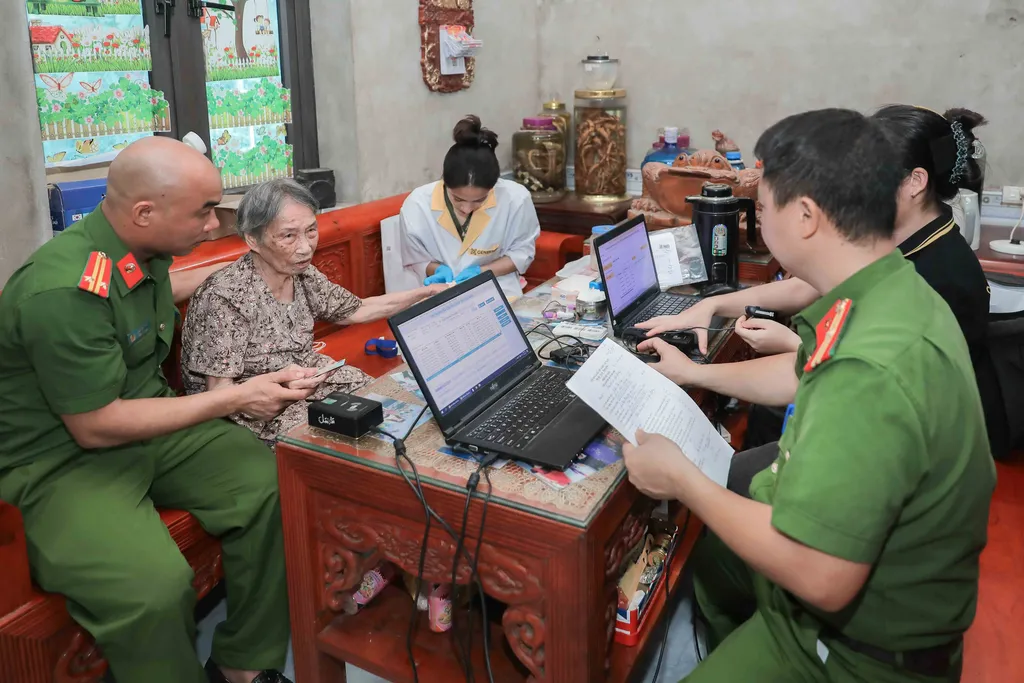 |
| Mẫn Thị Mai, born in 1935 and the younger sister of fallen soldier Mẫn Bá Sinh, receives home-based assistance from officials to complete the DNA sampling procedure in Yên Phong Commune, Bắc Ninh Province. |
 |
| Police officers from Bắc Ninh Province and Yên Phong Commune collect DNA samples from relatives of fallen soldiers who are unable to travel by visiting them at hospital bedsides. |
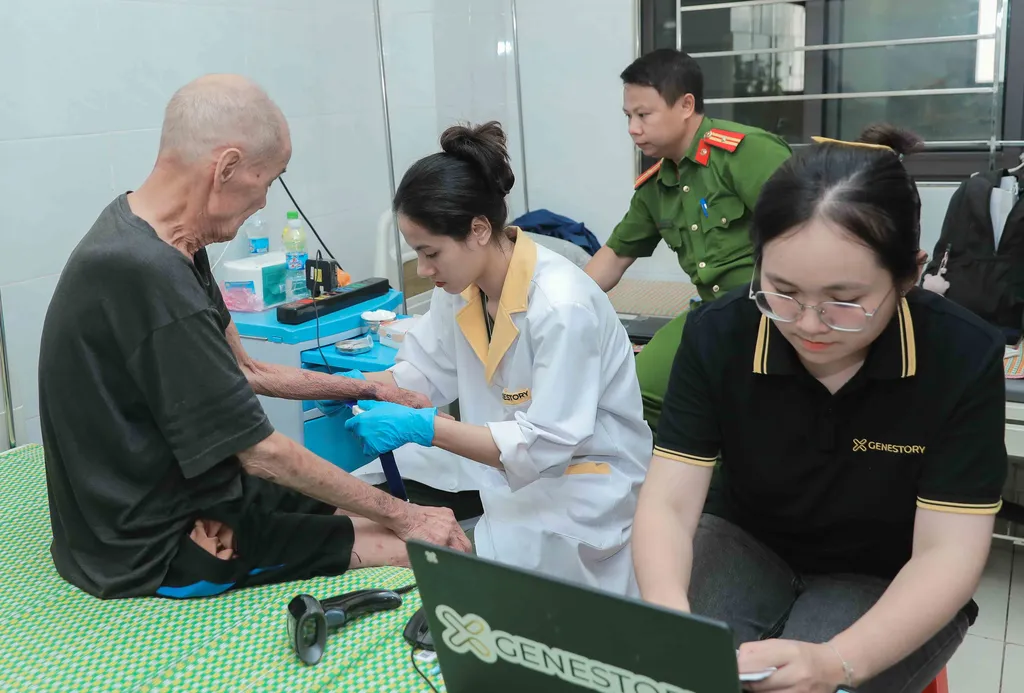 |
| Police officers from Bắc Ninh Province and Yên Phong Commune collect DNA samples at hospital bedsides from relatives of fallen soldiers who are unable to travel to designated collection points. |
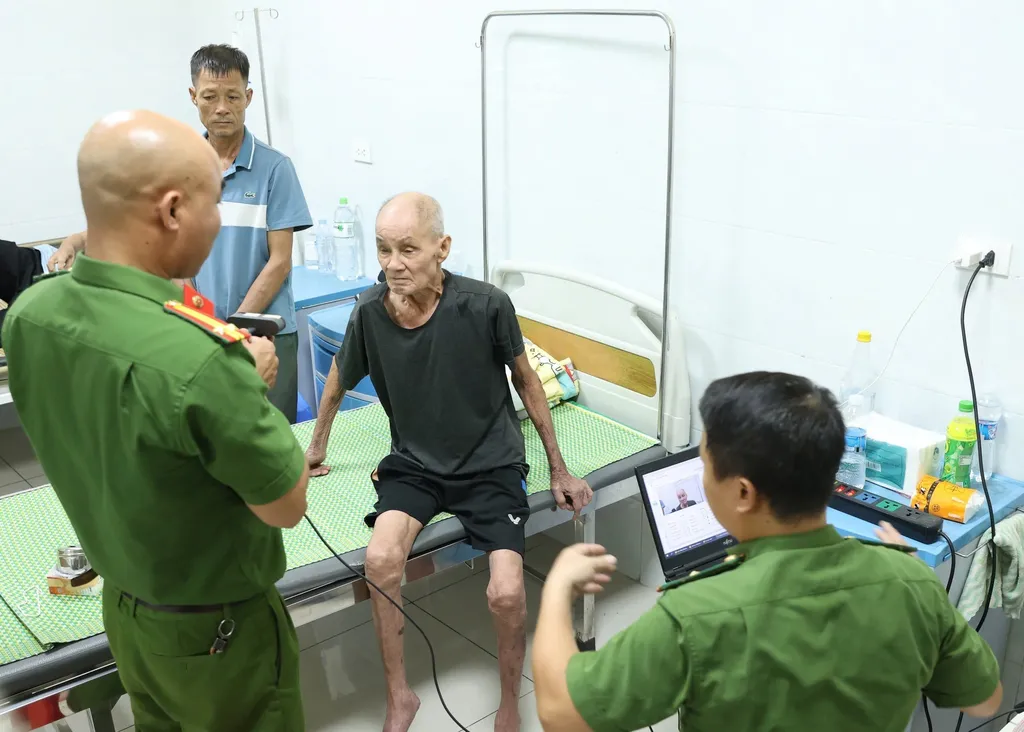 |
| Nguyễn Kim Mãn, born in 1952 and the younger brother of fallen soldier Nguyễn Kim Đạm, who was killed in Quảng Trị in 1968, receives a DNA sample collection at his hospital bedside from officials in Yên Phong Commune, Bắc Ninh Province. He said the initiative had renewed his family's hope of identifying his brother and bringing him home after decades of searching. |
 |
| Modern DNA technology will help speed up the identification of fallen soldiers while bringing comfort to families who have waited decades to bring their loved ones home. |
 Society
 Society
 Society
 Society
 Society
 Society
 Society
 Society
 Society
 Society
 Society
 Society
 Society
 Society
 Society