 Society

Top leader Tô Lâm’s EU visit to focus on trade, investment, energy security: ambassador
1.
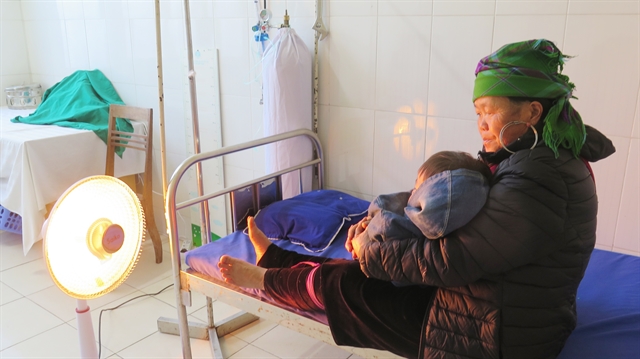 |
| Lào Cai General Hospital No. 4 provides heater fan for patients to protect them from severe cold weather in the northern mountainous province of Lào Cai. — VNA/VNS Photo Hương Thu |
LÀO CAI — As severe cold grips the northern mountainous province of Lào Cai, local authorities have moved swiftly to protect pupils, patients and residents, rolling out coordinated measures to reduce health risks and keep daily life running safely through the harsh winter.
The province is currently entering a prolonged cold spell, with temperatures frequently plunging to very low levels, posing serious threats to public health, particularly for young children, older people and those suffering from illness or chronic conditions.
Lào Cai General Hospital No.4, located in Sa Pa Ward, widely regarded as one of the coldest areas in both the province and the country, typically records winter temperatures of 5 to 7 degrees Celsius, with night-time lows sometimes falling to just 1-2 degrees.
Phạm Lê Trung, director of the hospital, said the facility is treating around 180 inpatients, most of them ethnic minority residents from the former Sa Pa Town, while also providing initial medical care for domestic and international tourists.
“Winter in Sa Pa is long and harsh, which means the hospital has to focus not only on treatment but also on protecting patients from the cold,” Trung said.
The hospital’s registration and waiting area is often crowded, especially in the early morning when temperatures are at their lowest. To ensure patients and their families are received in warm and safe conditions, the hospital has installed two large-capacity standing gas heaters, maintaining indoor temperatures at around 23 degrees Celsius to create a comfortable waiting environment.
Vàng A Tỏa, from Ngũ Chỉ Sơn Commune, left home at 5am to bring his son, who had been suffering from a persistent cough and fever, to the hospital. While waiting for registration and examination, father and son stood close to the heaters to warm themselves after travelling nearly 20km in the bitter early-morning cold.
“Once you pass through the glass doors into the waiting hall, the atmosphere is completely different, warm and comfortable,” he said.
During periods of severe cold, most paediatric admissions involve respiratory illnesses, affecting children from as young as two months to five years old. To ensure optimal treatment conditions, the hospital has equipped wards and vaccination rooms with additional heaters to minimise children’s exposure to cold air. Each bed is fully supplied with mattresses, sheets and warm blankets.
Hot water systems have been installed in all toilets, and double-glazed doors have been reinforced throughout the facility. Heating equipment is available in all wards, with oil heaters prioritised as they do not consume oxygen.
Guided by a patient-centred approach, the hospital last year reallocated budget savings to produce and distribute thick winter coats to patients in need. Nutrition has also been prioritised, with hot, nutritious and food-safe meals provided to boost resistance and support faster recovery.
For patients from poor households, staff organise daily meals for both patients and accompanying relatives on site, funded at nearly VNĐ60,000 (US$2) per person per day under State regulations.
Giàng Thị Vang, from Tả Phìn Commune, who has been hospitalised for 12 days with chronic pneumonia, said she had been treated in warm and safe conditions throughout her stay. Warm blankets are readily available in every room and provided immediately upon admission.
Medical staff also regularly remind patients to keep warm and provide guidance on disease prevention suited to the specific climatic conditions of highland areas.
Keeping classrooms warm
From the start of winter, the provincial Department of Education and Training issued detailed guidance requiring schools to review, inspect and promptly repair classrooms, boarding facilities and dining areas to prevent draughts, ensure adequate lighting and keep pupils warm.
Translating provincial directives into action, schools across Lào Cai have made reinforcing facilities a top priority.
Situated in a high, wind-exposed location, the Suối Chải nursery campus of Phìn Ngạn Kindergarten in Bát Xát Commune regularly faces winter temperatures of 7-10 degrees Celsius, with lows sometimes dropping to 5-6 degrees.
Hà Thị Bền, principal of the school, said glass windows and curtains had been installed to block draughts, thick carpets laid in classrooms and heaters added to keep children warm.
“Pupils have also received padded winter jackets through donations from social organisations,” she said.
Beyond physical warmth, schools have identified nutrition and sleep as key factors in boosting children’s resistance to cold. Warm drinking water is provided and hot water is available for daily activities. Despite adverse weather, attendance has remained stable at around 98 per cent.
Schools are also authorised to adjust start times based on daily weather conditions to ensure maximum safety for pupils.
Tả Ngài Chồ Kindergarten in Pha Long Commune operates four satellite campuses and one main site, serving 250 pupils. Winter there is marked by dense fog and persistently low temperatures.
Principal Tung Thị Bình said close engagement with families has been crucial to maintaining attendance. Through Zalo messaging groups, teachers regularly update parents on weather conditions, remind them to coordinate meals and rest for children, and advise on adjusting school attendance times when necessary to minimise the impact of extreme weather.
Since the start of the 2025-26 cold season, the school has required classrooms to seal ventilation gaps, turn on heating lights and encourage parents to dress children warmly. Insulation panels and wind barriers have been installed to close wall and door gaps.
Attention to nutritional quality and the provision of timely, hot meals have helped pupils stay healthy and focused on learning.
Triền Thị Mai, from Sả Chải Hamlet in Pha Long Commune, said that although her home is far from the classroom and travel is difficult in winter, she feels reassured seeing teachers care so attentively for the children. — VNS
Society
 Society
 Society
 Society
 Society
 Society
 Society
 Society
 Society
 Society
 Society
 Society
 Society
 Society
 Society