 Society

Theatrical arts shine on Hà Nội stage
1.
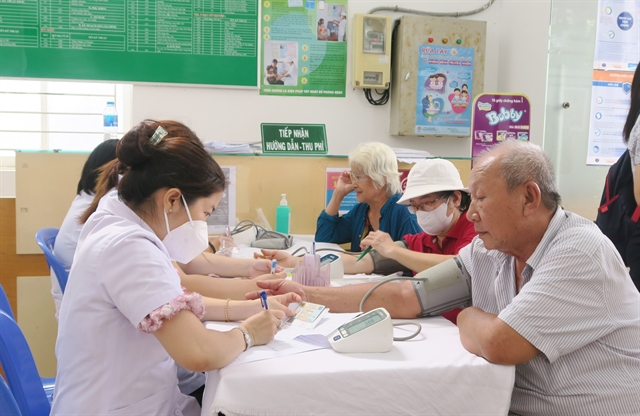 |
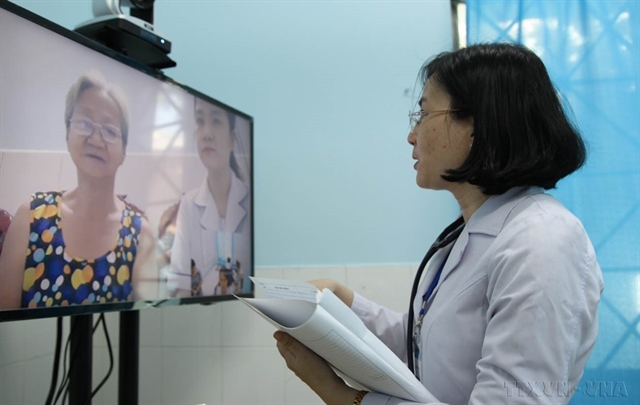
| Elderly residents receive free health check-ups as part of HCM City’s ageing care programmes. — VNA/VNS Photo |
HCM CITY — Residents of HCM City have an average life expectancy of 76.7 years in 2025, about two years higher than the national average, local health officials said.
Phạm Chánh Trung, head of the HCM City Department of Health’s Population Division, said on Monday that life expectancy in the southern metropolis has steadily increased due to improvements in population quality and the expanded rollout of health screening and care programmes.
The figure rose from 76.6 years in 2024 and marks an increase of more than 10 years compared with 66 years recorded in 1979.
City authorities said primary healthcare facilities at ward and commune levels examined and created electronic health records for more than 270,700 elderly residents in 2025, reaching 28.5 per cent of the annual target.
Caring for older people has been identified as a priority as the city ages rapidly. Since last year, HCM City has been among the first localities nationwide to offer free health check-ups for all residents aged 60 and above, aiming to identify disease patterns, detect non-communicable diseases early and reduce long-term treatment costs.
Beyond the healthcare system, 102 community-based “Elderly helping the elderly” clubs and volunteer groups are providing support to thousands of seniors living alone.
Population authorities warned that rising life expectancy combined with persistently low birth rates is accelerating population ageing in the city, placing growing pressure on social welfare systems and requiring primary healthcare services to adapt to the management of chronic diseases and long-term care.
In 2025, the city also met several key population targets, including raising the total fertility rate to 1.51 children per woman, improving the sex ratio at birth and expanding disease screening programmes.
To respond to ageing trends, the Department of Health is advising the municipal People’s Committee on a plan to develop an elderly care system for the 2025-2030 period.
The proposed model would include home-based care, day care, residential facilities and end-of-life services, aimed at improving access to appropriate care while easing pressure on major hospitals. — VNS
Society
 Society
 Society
 Society
 Society
 Society
 Society
 Society
 Society
 Society
 Society
 Society
 Society
 Society
 Society