 Society

Việt Nam fosters comprehensive cooperation with Uruguay
1.
|
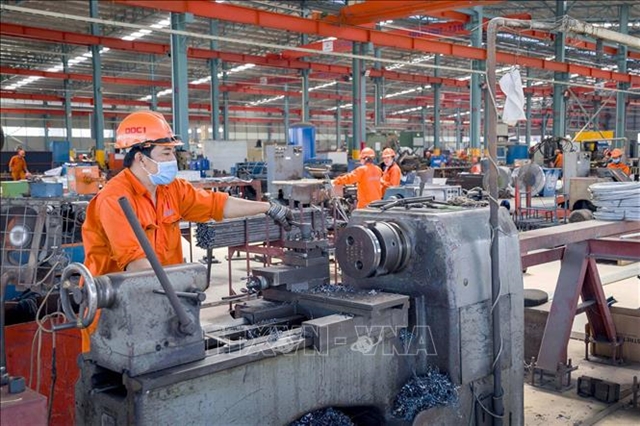
| Monthly minimum wages will be adjusted across all four regions, with the highest level applied in Region 1 and the lowest in Region 4. — VNA/VNS Photo |
HÀ NỘI — A series of new Government policies will take effect from January 1, 2026, spanning labour and employment, administrative sanctions, agricultural land tax and technology transfer for major railway projects, with a nationwide minimum wage increase among the most significant changes.
Under the new regulations, the minimum wage for workers under labour contracts will rise by VNĐ250,000 to VNĐ350,000 per month, an average increase of 7.2 per cent compared with current levels. Monthly minimum wages will be adjusted across all four regions, with the highest rate applied in Region 1 and the lowest in Region 4.
Hourly minimum wages will also increase nationwide, ranging from VNĐ17,800 to VNĐ25,500 per hour. The revised rates will serve as the legal floor for wage negotiations and payments, ensuring that employees paid monthly, hourly, daily or by output receive incomes no lower than the prescribed minimum after conversion.
Alongside the wage adjustment, new regulations on labour registration and the labour market information system will come into force, clarifying registration procedures for employees, unemployed persons and those not covered by compulsory social insurance. Civil servants, public employees and members of the armed forces are exempt from labour registration under the new rules.
From the same date, new provisions on the enforcement of administrative sanction decisions will be implemented, setting out clearer principles, procedures and responsibilities to ensure penalties are carried out lawfully and effectively.
Policies on agricultural land use tax will also continue, with households, individuals and organisations directly engaged in agricultural production remaining exempt. The exemption period will be extended until the end of 2030, offering longer-term support for the agricultural sector.
In addition, new criteria will be applied to the selection of Vietnamese organisations and enterprises eligible to receive technology transfers for nationally important railway projects, with the aim of strengthening domestic capacity in science, technology and infrastructure development. — VNS
Society
 Society
 Society
 Society
 Society
 Society
 Society
 Society
 Society
 Society
 Society
 Society
 Society
 Society
 Society