 |
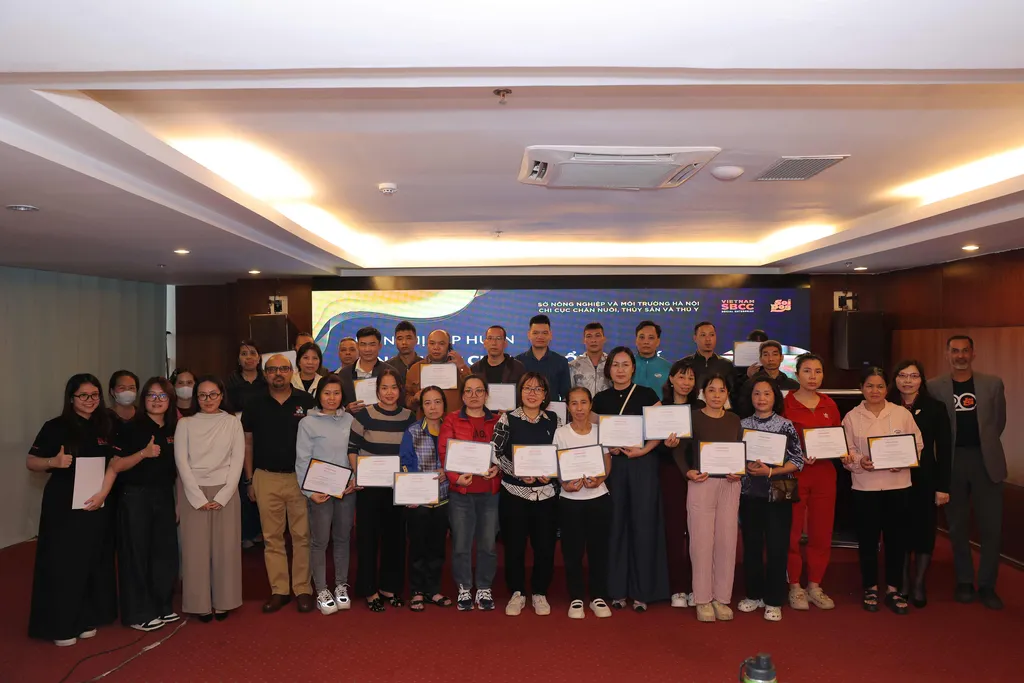
| The organisers presented certificates to the owners of pet businesses at the workshop. — Photo courtesy of the organisers |
HÀ NỘI — Dog and cat meat traders and slaughterhouse owners in 14 wards in Hà Nội were given training on how to sustainably change their livelihoods at a workshop on December 10 in the capital city.
The workshop was jointly organised by the Hà Nội Sub-Department of Animal Husbandry, Aquaculture and Veterinary Medicine and the Soi Dog Foundation, a non-profit organisation dedicated to improving the welfare of stray dogs and cats across Asia and Vietnam Social and Behaviour Change Communication for Sustainable Development Company (SBCC Vietnam).
At the event, public health and legal experts analysed health risks from the dog and cat meat trade, including the risk of food poisoning, multi-drug resistant bacterial infections, and zoonotic diseases.
Participants were also updated on Hà Nội's latest regulations regarding food safety and hygiene, environmental waste management and infectious disease prevention.
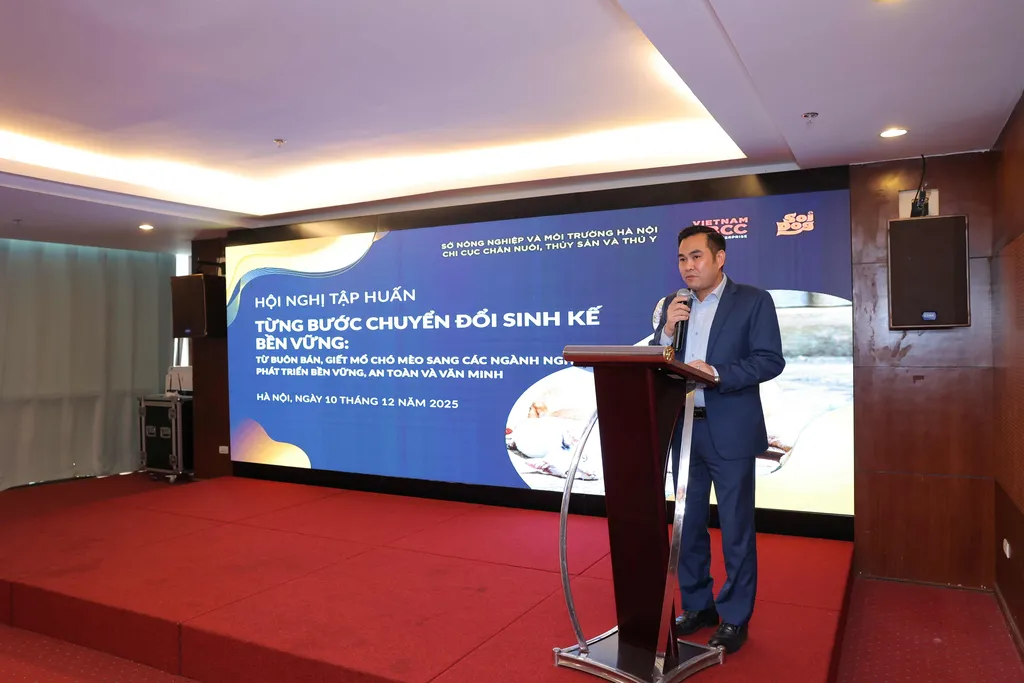 |
| Ngô Đình Loát, Deputy Head of the Hà Nội Sub-Department of Animal Husbandry, Aquaculture and Veterinary Medicine, speaks at the workshop. — Photo courtesy of the organisers |
Ngô Đình Loát, Deputy Head of the Hà Nội Sub-Department of Animal Husbandry, Aquaculture and Veterinary Medicine, said: "Through this programme, residents, dog and cat meat businesses and slaughterhouse owners have a better understanding of rabies prevention, while being equipped with the knowledge to implement sustainable livelihood development solutions.
"We expect that rabies prevention and control will be implemented more effectively, gradually supporting the transition away from dog and cat meat trading and slaughtering activities."
The conference is a key activity of a project called 'Pilot model for rabies prevention and sustainable economic development: a phased transition of dog and cat meat trade activities in selected areas of Hà Nội', approved by the City People's Committee on July 24.
Under the initiative, city officials hope to achieve several parallel objectives: contributing to the national goal of eliminating human rabies deaths by 2030, while also enhancing zoonotic disease control, and gradually adopting animal welfare standards in line with international practices.
This represents an important step in demonstrating Hà Nội's drive to shape community health and safety, as well as the aim to close the gap with global trends in the humane treatment of animals.
Through this event, the city upholds its proactive role in supporting residents' sustainable livelihood transition, a long-term orientation that will be implemented systematically.
According to data from Việt Nam's Animal Health Information System, from the beginning of the year to December 8, rabies cases have been recorded in 171 communes across 24 provinces and cities in the country, with a total of 356 dogs and cats culled.
Reports from the National Institute of Hygiene and Epidemiology also show that as of November 17, the country has recorded 68 suspected cases or deaths from rabies in 19 provinces and cities. These figures reflect the complex rabies situation, requiring more synchronised and decisive intervention measures.
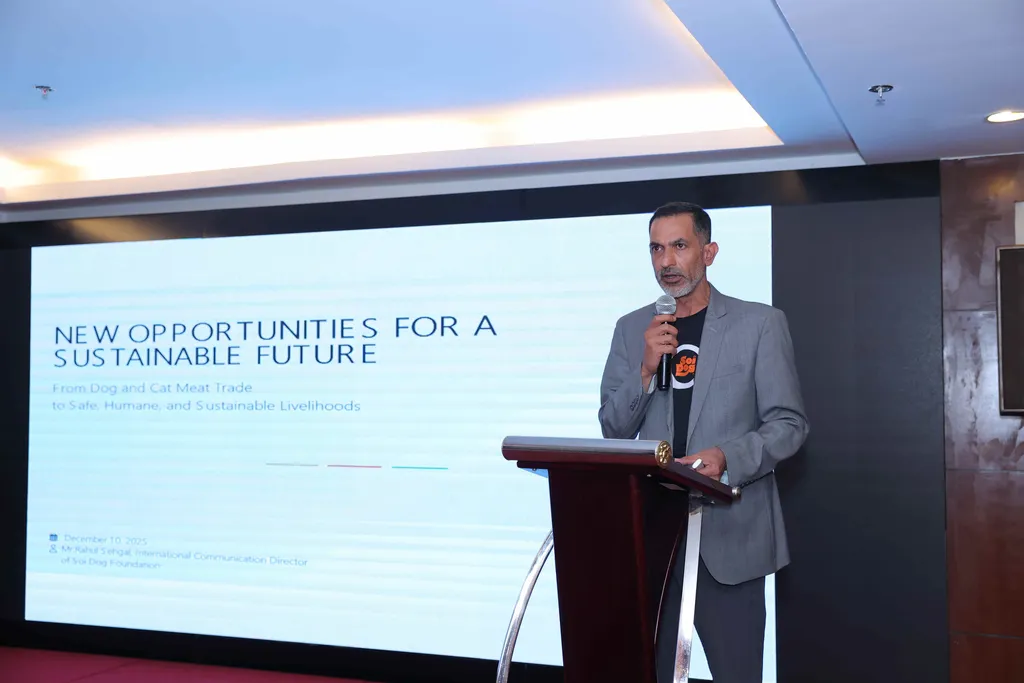 |
| Mr Rahul Sehgal, International Communications Director of Soi Dog Foundation, speaks at the workshop. — Photo courtesy of the organisers |
International Communications Director of Soi Dog Foundation, Mr Rahul Sehgal, said that when provided with economically viable livelihood alternatives, the majority of people are willing to transition to safer and more sustainable occupations.
“Market research and scientific evidence show that the dog and cat meat trade and slaughtering industry is clearly declining in Hà Nội, and is predicted to continue deteriorating significantly over the next few years.
"Conversely, the pet care services industry is developing rapidly, with many job opportunities, stable income and a civilised working environment. Soi Dog Foundation is committed to providing adequate support, from vocational skills training and start-up support to market connections and business partner networks, to ensure pioneering individuals successfully transition," said Sehgal.
 |
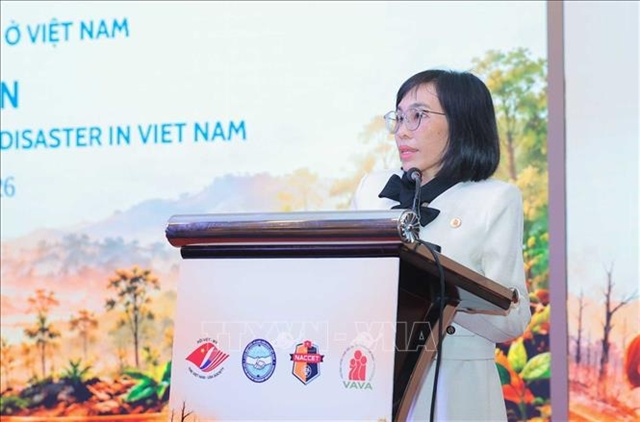
| Director of SBCC Vietnam Bùi Thị Duyên speaks at the workshop. — Photo courtesy of the organisers |
Director of SBCC Vietnam Bùi Thị Duyên said that SBCC Vietnam will provide appropriate communication campaigns designed for local culture, creating conditions for people to proactively build a safer and more humane Hà Nội.
“Today, we not only provide information but also build a comprehensive support ecosystem. The 3-step livelihood transition model, combining support from state management agencies, international resources, and behaviour change communication capacity, will create inspiring success stories," said Duyên.
The project encourages dog and cat meat traders and slaughterhouse owners to voluntarily participate in the free programme to receive timely support, including vocational skills training, start-up support, business consulting, market and partner connections and legal procedure assistance.
In the next phase, the project’s activities will focus on expanding the programme and promoting inter-sectoral cooperation across pilot areas to build a network of safe communities to serve as reference models for other localities in Việt Nam. — VNS
 Society












 (1).JPG)