 |
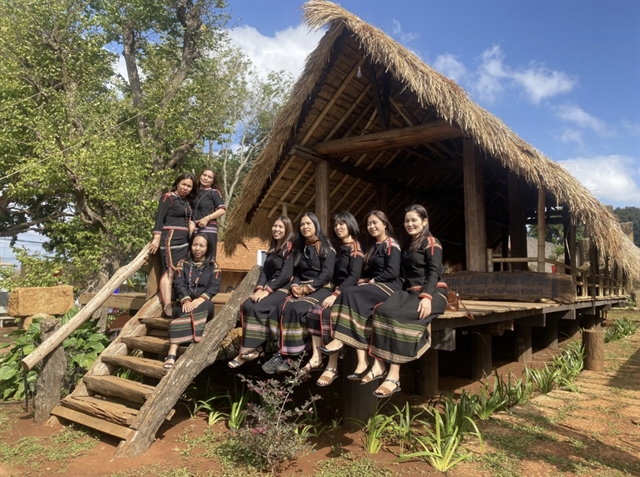
| Women in traditional Ê Đê attire gather at a longhouse in Đắk Lắk, where local communities are promoting cultural identity as a key driver of community-based tourism. Photo baodaklak.vn |
Far from the bustle of urban travel hotspots, villages across Đắk Lắk are welcoming visitors in a different way – through shared meals, ancestral rituals and the slow rhythm of Central Highlands life.
By placing culture at the heart of tourism, the province is strengthening community-based tourism by embracing the distinctive cultural identity of the Central Highlands, with 10 community tourism villages now taking shape as attractive destinations.
Preserving and promoting indigenous cultural identities have not only contributed to safeguarding heritage but also opened up new pathways for sustainable socio-economic development, particularly at the village level.
To effectively harness its natural and cultural advantages, Đắk Lắk has rolled out a range of policies to facilitate the development of community-based tourism
The province has implemented a policy to support the development of community-based tourism in ethnic minority villages for the 2021–2025 period, selecting five out of 17 eligible villages for priority investment.
To date, Ako Dhông, Trí and Kuốp villages have been officially recognised as community-based tourism sites, offering sightseeing experiences, traditional cuisine and homestay services.
In addition, under the national target programme for socio-economic development in ethnic minority and mountainous areas for the 2021–2030 period, Đắk Lắk authorities have assisted with building model community-based tourism destinations in Tơng Jú Village of Ea Kao Ward and Jun Village of Liên Sơn Lắk Commune. Both locations have completed the necessary investment and have been formally launched to welcome visitors.
H’Ler Eban, deputy secretary of the Communist Party Committee of Ea Kao Ward, said Tơng Jú had been recognised as a model tourism destination and would continue to receive assistance for project development and tourism planning.
Ea Kao aims to develop one or two community-based tourism villages during 2026–2030, according to the deputy secretary. It will work closely with relevant departments to carry out policies, supporting residents in cultural preservation linked with economic development, job creation, and sustainable poverty reduction.
According to Trần Hồng Tiến, director of the Đắk Lắk Department of Culture, Sports and Tourism, the province is home to 49 ethnic groups, creating a rich diversity of cultural identities. This represents a major advantage for developing cultural and community-based tourism.
Through these models, locals can uphold their cultural heritage while generating additional income and improving living standards.
In the time ahead, authorities will continue optimising support from the State and the national target programme to help villages maintain and bring into play their cultural values in tourism development.
In short, developing tourism in tandem with cultural preservation is opening up a sustainable pathway for many villages in Đắk Lắk. As cultural identity is strengthened, tourism not only generates income but also helps safeguard the unique values of ethnic communities.
Cultural tourism attraction
At Tơng Jú Village in Ea Kao Ward, visitors can immerse themselves in the vibrant cultural atmosphere of the Ê Đê community. Xoang folk dances, gong performances and traditional rituals are presented by villagers themselves, creating experiences noted for their authenticity.
Nguyễn Thị Hồng Trang, a visitor from HCM City, said she was impressed by the traditional costumes, ceremonial wine rituals and the deep rhythms of gongs, adding that the celebration felt meaningful because it was organised entirely by the community.
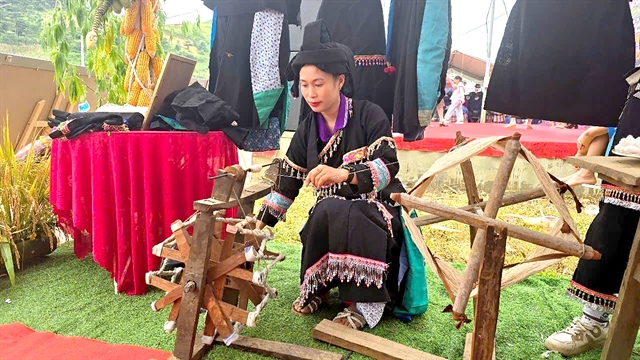
With traditional longhouses, handloom weaving, rượu cần (home brewed wine) and a distinctive culinary scene, Tơng Jú Village is capitalising on its cultural strengths to expand ecological and experiential tourism.
Residents have formed performance troupes, instrumental groups and culinary teams to enrich the tourism experience. According to H' Yam Bkrông, head of the village’s tourism group, community-based tourism has helped preserve Ê Đê culture while creating additional income sources for local families.
Across Đắk Lắk, community tourism continues to grow. Kuốp Village in Ea Na Commune has upgraded its infrastructure and retained 50 traditional longhouses, along with gong culture, folk singing, xoang dancing and traditional crafts.
Locals have received training in tourism services and participated in study tours to provinces with successful community tourism models. Kuốp Village is also taking part in a pilot OCOP programme on community tourism linked with cultural and craft preservation, offering new development opportunities.
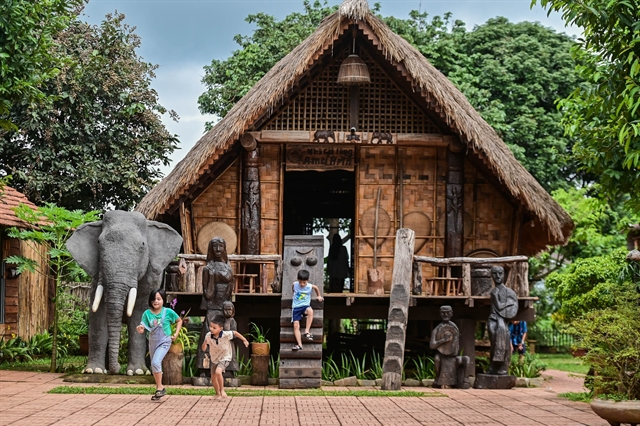 |
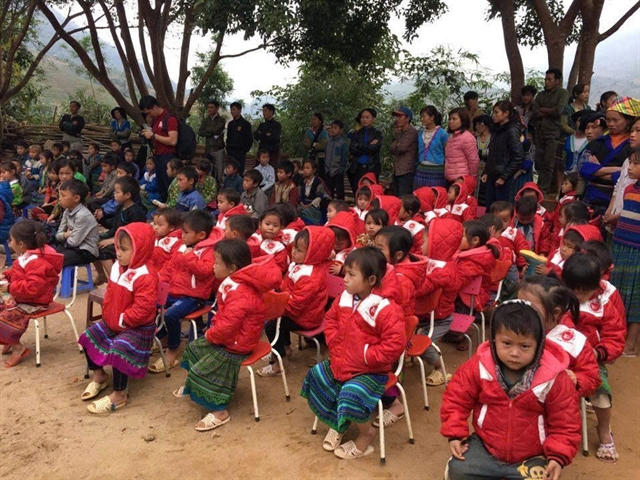
| Children play in the Ê Đê ethnic village of Ako Dhông, a popular community-based tourism site in Đắk Lắk Province. Photo vietnamnet.vn |
H' Nó H' Đơk, head of Kuốp Village, said villagers gradually embraced community tourism after witnessing the tangible economic benefits gained by early adopters. She noted that tourism helped households improve their livelihoods and reduce poverty through sustainable cultural activities.
In recent years, the rise of social media has added a new dimension to local tourism promotion. Many individuals have become “digital ambassadors”, using platforms such as Facebook, TikTok and YouTube to share images, music and daily stories from village life. These online efforts have helped spread the natural beauty and cultural uniqueness of the Central Highlands to broader audiences.
In Đắk Phơi Commune, Y Xim Ndu has become a well-known figure among villagers for his decision to leave a stable government job to pursue community tourism.
Motivated by the desire to preserve his culture and introduce the beauty of his homeland to the public, he uses social media to document local life – from traditional houses and cool streams to coffee and cacao gardens during the harvest season.
He said the pristine and uncommercialised character of the villages remained their greatest strength, as visitors are welcomed like family upon arrival.
Y Xim has guided visitors to explore cacao gardens in Cao Bằng Village, the stone streams of Đắk Phơi, coffee harvesting with local farmers and gong performances at village festivals.
His online posts often attract inquiries from people wishing to visit, turning social media into a powerful connector that brings new livelihood opportunities to villagers. He said digital tools allowed young people like him to preserve and share cultural heritage while supporting economic development.
Phạm Thế Thành, deputy director of Thành Công Cooperative in Đắk Phơi, is another local who frequently shares images and videos of village life on community groups and social media platforms.
His interest in local culture motivates him to explore and document daily activities in various villages. These posts have drawn greater public attention to cultural preservation efforts while encouraging tourism engagement.
Thành Công Cooperative also connects its coffee gardens with tour operators, allowing visitors to experience harvesting, processing and roasting coffee, thereby bringing additional income to local households.
Đắk Lắk has issued several policies to support cultural preservation and community tourism, integrating national target programmes to promote heritage spaces while developing livelihoods.
With government support, community participation and the increasing influence of digital storytelling, Đắk Lắk’s community tourism villages are gradually becoming appealing cultural destinations. The model not only preserves traditional values but also empowers local residents to build sustainable livelihoods through both heritage and technology. VNS
 Features