 Politics & Law

Results of the ixCrypto Index Series Quarterly Review (2026 Q3)
1.
|
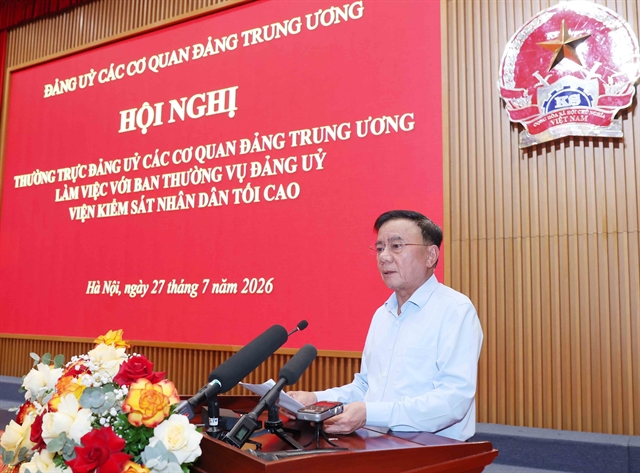
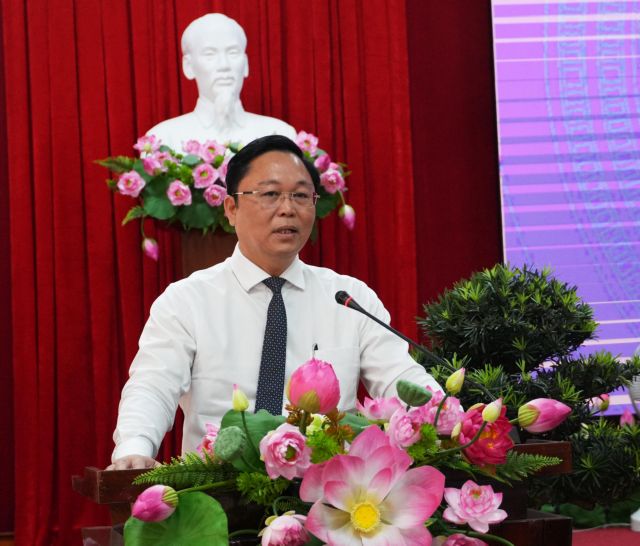
| Trần Cẩm Tú, member of the Politburo, Permanent Member of the Party Central Committee's Secretariat speaks at a meeting with the Party Committee of the Supreme People's Procuracy in Hà Nội on Monday. — VNA/VNS Photos Phương Hoa |
HÀ NỘI — A meeting was held in Hà Nội on Monday to review the Supreme People's Procuracy’s implementation of two key resolutions of the Politburo.
The meeting was chaired by Trần Cẩm Tú, member of the Politburo, Permanent Member of the Party Central Committee's Secretariat, and Secretary of the Party Committee of the Central Party Agencies.
The resolutions in review were Resolution No. 66-NQ/TW on the reform of law-making and enforcement processes, and Resolution No. 57-NQ/TW on creating breakthroughs in science, technology, innovation and digital transformation.
Reviewing their implementation of the resolutions in the first half of the year, Hồ Đức Anh, Permanent Deputy Chief Prosecutor of the Supreme People's Procuracy, said the two key documents have fostered a spirit of unity, proactiveness and innovation among the organisation to complete a large volume of work while ensuring its quality and timeliness.
Guided by Resolution 57, the procuracy has created an institutional framework for electronic litigation, with six policies drafted for the amendment of the Criminal Procedure Code, according to Anh.
It has gradually formed a digital ecosystem and centralised database for the sector by building four core digital platforms, which are a criminal case management system, a smart operation centre, a digital data portal and a specialised data transmission network.
“The ‘Digital Literacy for All’ movement has also been carried out across the board, helping to improve digital skills and capabilities of prosecutors and legal staff,” he said.
Resolution 66 has also been thoroughly implemented, which raised awareness and induced actions among prosecutors to improve the quality of laws and regulations, Anh added.
It has helped ensure that the procuracy’s coordinating role in lawmaking is carried out on schedule and that it is constitutional, consistent and feasible.
Issues around the procuracy’s organisational restructuring, the application of technology in workflow and performance review, and talent recruitment were also discussed.
Commenting on the reports, Tú said he highly appreciated the responsibility, proactiveness and decisiveness of the Party Committee and leaders of the Supreme People's Procuracy in implementing the two key resolutions.
Their efforts have set an example for the entire sector to implement the resolutions and created positive changes in its performance, functions and duties, he said.
“The procuracy’s exercise of prosecutorial power and supervision of judicial activities have been improved,” he said.
“They have also strictly followed the policy of not criminalising economic, civil and administrative relations and vice versa.”
|
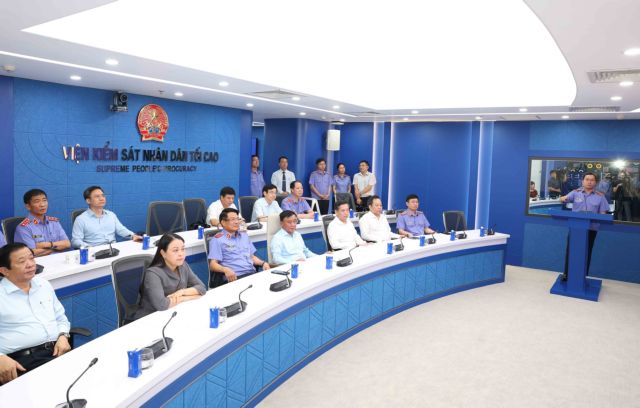
| Member of the Politburo Trần Cẩm Tú (first row, middle) and officials from the Supreme People's Procuracy visit the organisation's smart operation center. |
Tú added that as the global and regional situation continues to evolve rapidly and becomes increasingly complex, it is of utmost importance that the socialist rule of law in Việt Nam continues to be improved and perfected.
“This requires the procuracy sector to continue to innovate its thinking, leadership and task implementation with higher determination, more decisive action and greater effectiveness,” he said.
He suggested the procuracy’s Party Committee continue to follow directions set out by Resolution 66 to better fulfill its duties, learn from practical experience, identify difficulties and propose policy improvements to ensure a unified, consistent and feasible legal system.
As for Resolution 57, the procuracy should continue to innovate leadership and digitising management, taking data as the foundation to carry out all governance, direction, operation and professional activities, Tú said.
Standardised databases should be built, records should be digitised, connected and shared between different levels of the procuracy and with other prosecuting and related agencies, to form a modern and integrated digital justice system.
The Procuracy’s Party Committee needs to strengthen close coordination with other agencies in the political system and the internal affairs sector to implement the Party's guidelines and resolutions, using the results and satisfaction of citizens and businesses as a measure of their efforts.
Tú expressed his confidence that with its tradition of unity, courage and responsibility, the Standing Committee of the Procuracy's Party Committee will continue to build on its existing achievements and lead the sector towards better, more efficient operations.
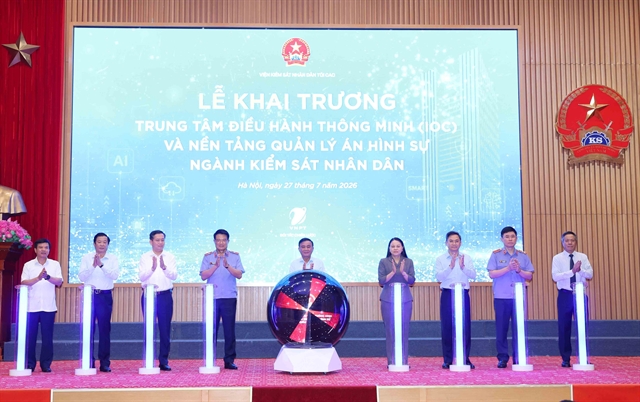
The procuracy’s smart operation centre and the criminal case management platform were launched after the review.
The centre is where all data related to the procuracy’s operations will be integrated and available for use across the board, including those on its exercise of prosecutorial power, supervision of judicial activities, case management, personnel organisation, performance evaluation, finance and other management activities. — VNS
|
| The launch ceremony of the Supreme People's Procuracy's smart operation centre and the criminal case management platform. |
Politics & Law
 Politics & Law
 Politics & Law
 Politics & Law
 Politics & Law
 Politics & Law
 Politics & Law
 Politics & Law
 Politics & Law
 Politics & Law
 Politics & Law
 Politics & Law
 Politics & Law
 Politics & Law
 Politics & Law