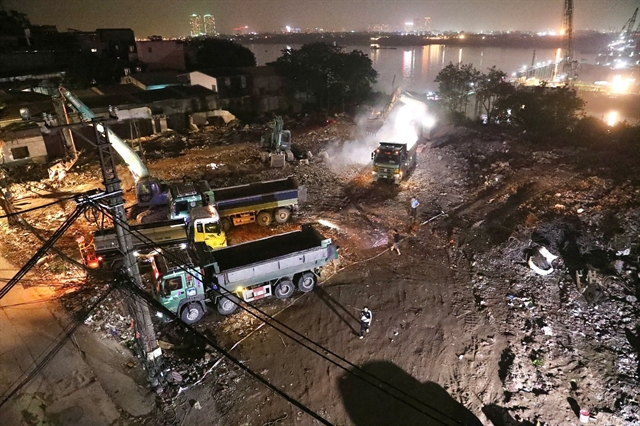
Ensuring the rights and interests of residents in planned areas is regarded as a matter of utmost importance and a consistent guiding principle of the municipal People’s Committee leadership.
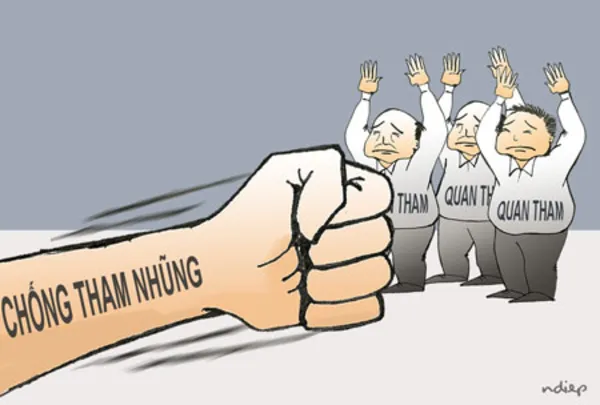
For the first time, the Party issued five regulations on power control and anti-corruption measures covering personnel work; inspection, supervision and Party discipline; investigation, prosecution and judicial activities; lawmaking; and management of public finance and assets.
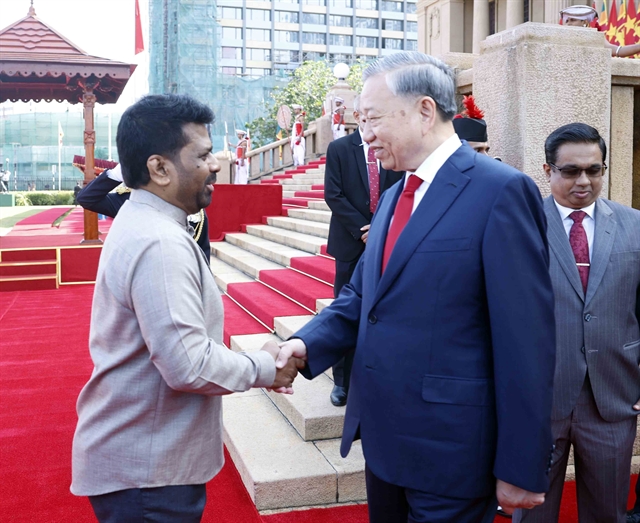
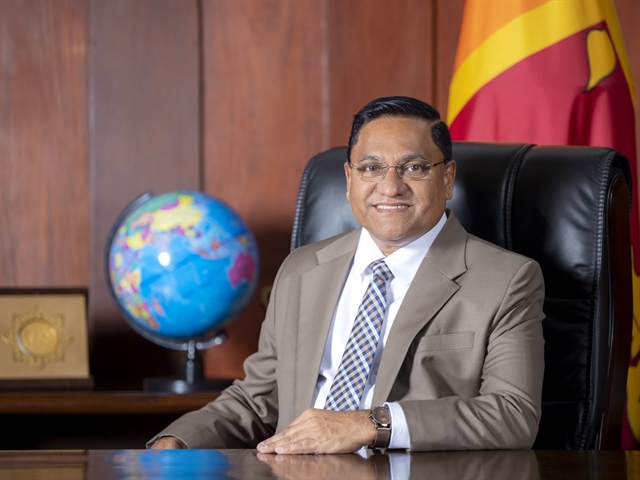
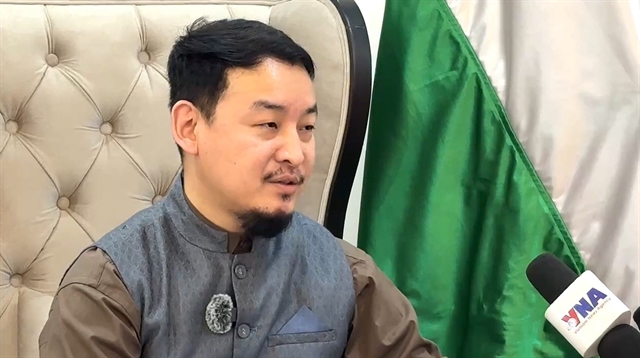
A Sri Lankan policy expert has described General Secretary and President Tô Lâm’s state visit as a turning point for bilateral ties, with direct flights and trade cooperation expected to deepen engagement between the two countries.
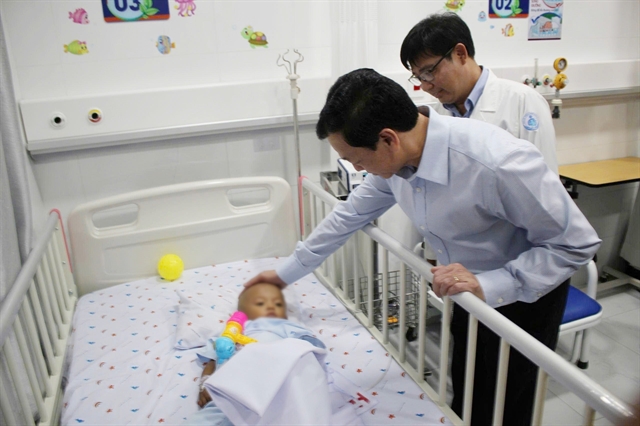
The true measure of a civilised society does not lie in how deeply we grieve or how fiercely we express outrage after children are abused or killed. It lies in our collective ability to speak up, take action and prevent such tragedies from happening in the first place.
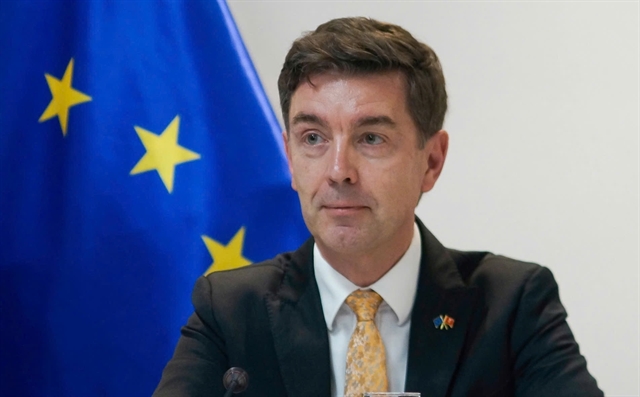
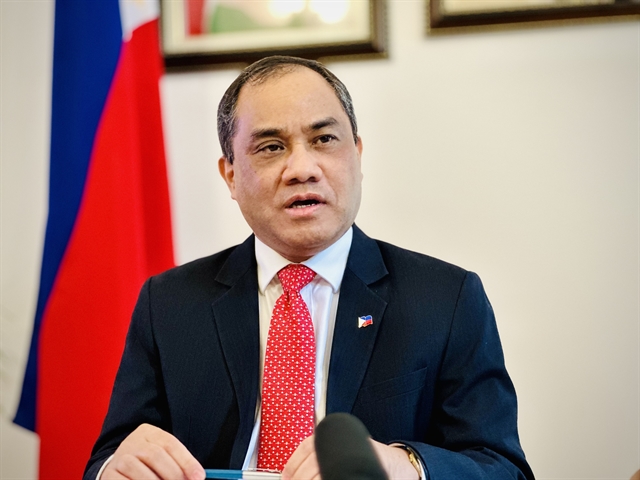
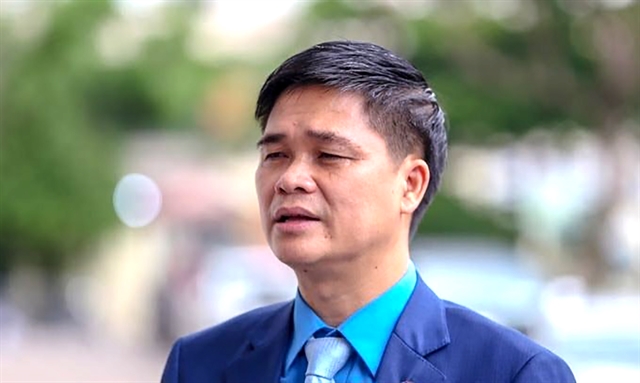
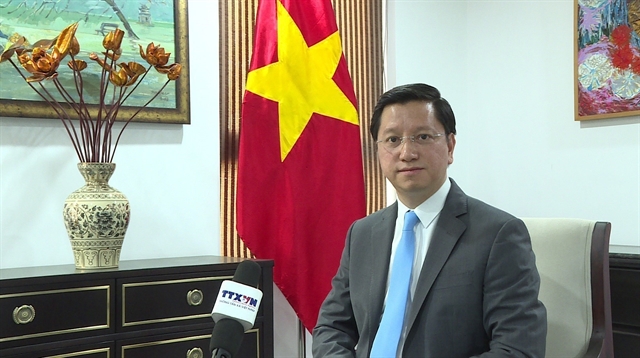
Việt Nam News reporters talk to a foreign representative and leaders of domestic industry associations about the new momentum after the recent election.
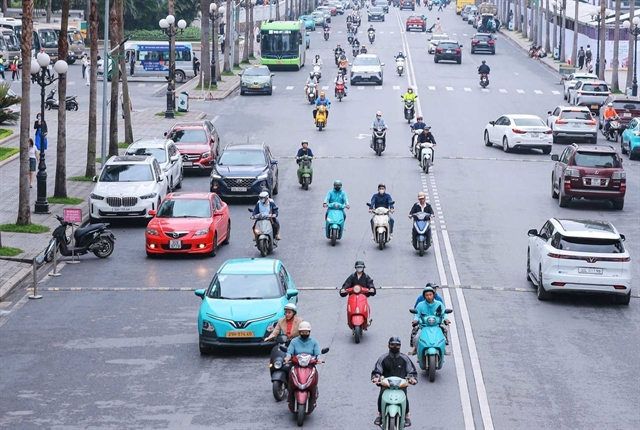
From July 1, Hà Nội will officially introduce a low-emission zone, restricting petrol-powered vehicles on 11 streets in Hoàn Kiếm Ward before expanding the scheme across the entire Ring Road 1 area. However, beyond the list of affected streets, detailed implementation plans and support measures for residents have yet to be clearly outlined, raising concerns about the city’s preparedness.
The EU–Việt Nam Free Trade Agreement has delivered tangible results, boosting exchanges, expanding opportunities for businesses and strengthening economic ties. Beyond the figures, it demonstrates that fair, rules-based trade can work and can benefit both sides.
Amid today’s global challenges, ranging from economic crises and environmental pressures to widening social inequality and armed conflicts, Hồ Chí Minh Thought continues to retain profound relevance and guiding value.
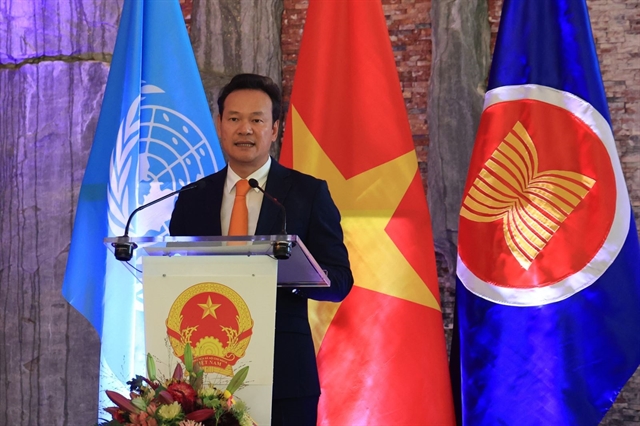
In the area of international law, Việt Nam has been consistent in promoting multilateralism and adhering to the rule of law and promoting international law.
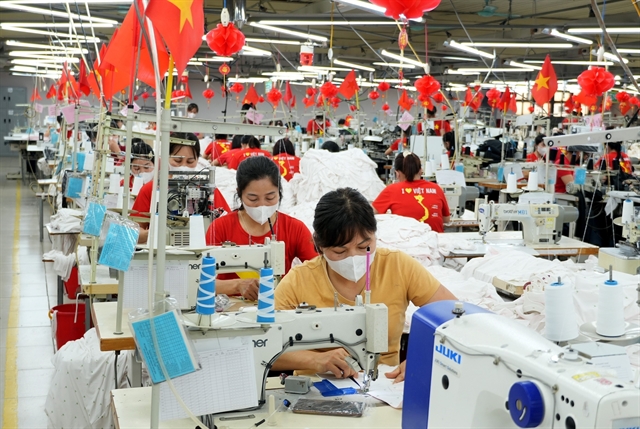
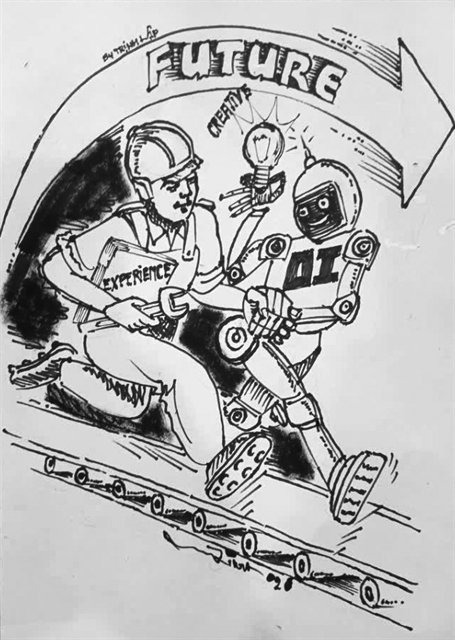
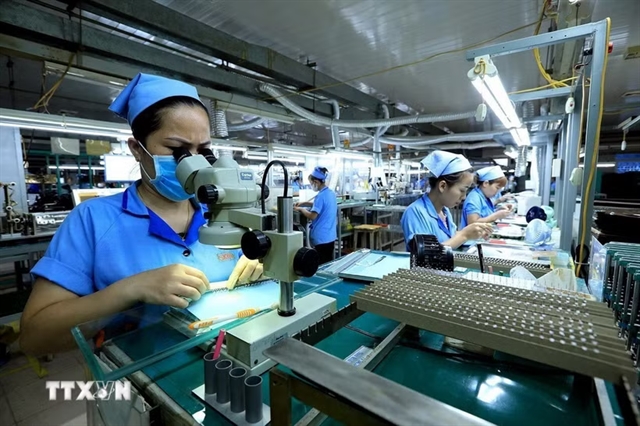
Trade unions are promoting emulation campaigns to boost labour productivity, sparking initiative and creativity, and applying science, technology and digital transformation.
Việt Nam–Sri Lanka relations date back to Sri Lanka’s recognition of Việt Nam in 1970, making Sri Lanka one of the first countries to establish diplomatic relations with the Southeast Asian nation.
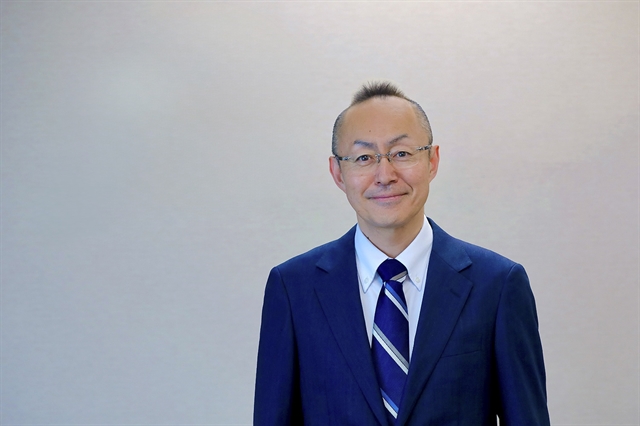
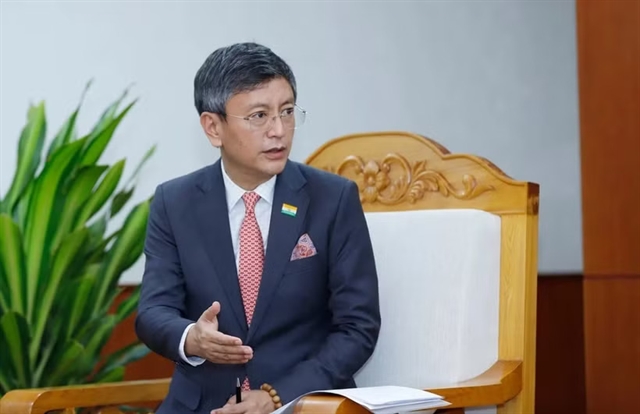
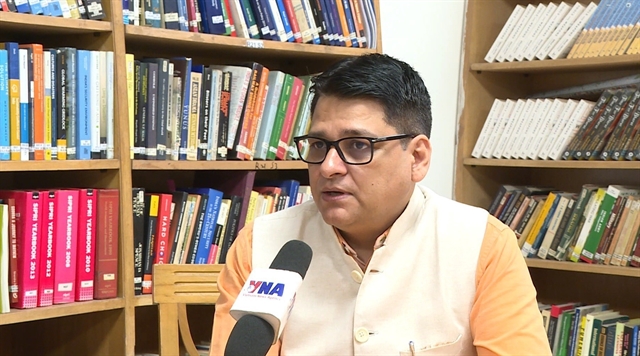
Indian Ambassador to Việt Nam Tshering W. Sherpa identified emerging areas for cooperation, including information and communications technology, innovation, science and technology, cybersecurity, artificial intelligence, quantum technology, pharmaceuticals, and transport and connectivity.
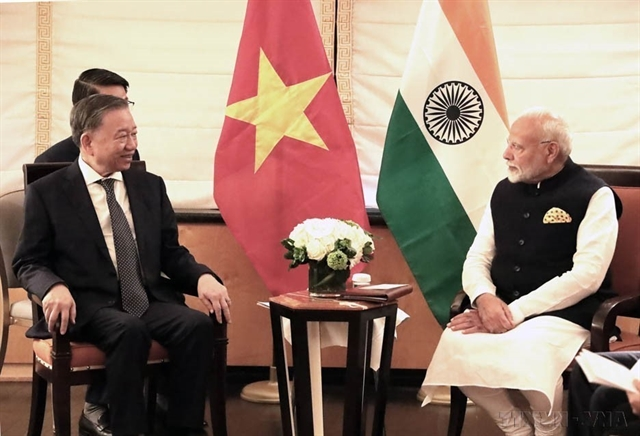
Reflecting on a decade of the Comprehensive Strategic Partnership, Việt Nam–India relations have developed comprehensively and effectively, emerging as one of the region’s most dynamic and meaningful partnerships.
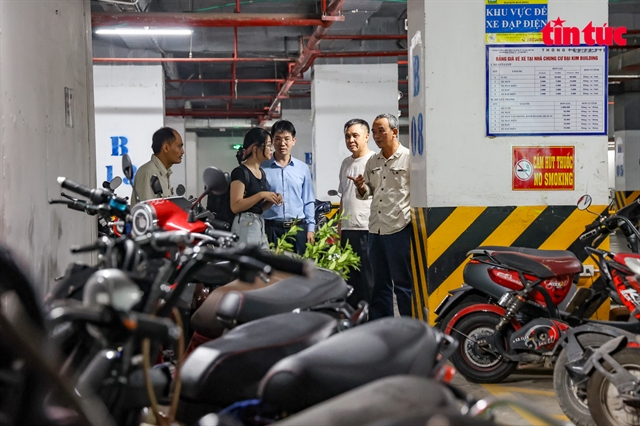
In an interview with Voice of Vietnam, Đinh Quốc Dân, Deputy Director of the Institute for Building Science and Technology under the Ministry of Construction, addresses technical standards for electric vehicle (EV) charging infrastructure.
Both countries have worked to reinforce regional security and stability, including through United Nations peacekeeping missions.
Economic cooperation has gathered momentum, with Việt Nam playing an increasingly important role in India’s Act East policy and emerging as one of India’s leading trading partners within ASEAN.
The visit demonstrates Việt Nam's high regard for its Comprehensive Strategic Partnership with India and the broader South Asian region.
The combination of stability and reform has created a highly predictable development foundation, enabling Việt Nam to maintain socio-political stability while enhancing its adaptability to external fluctuations – an aspect highly valued by international organisations amid current global risks.