 Opinion
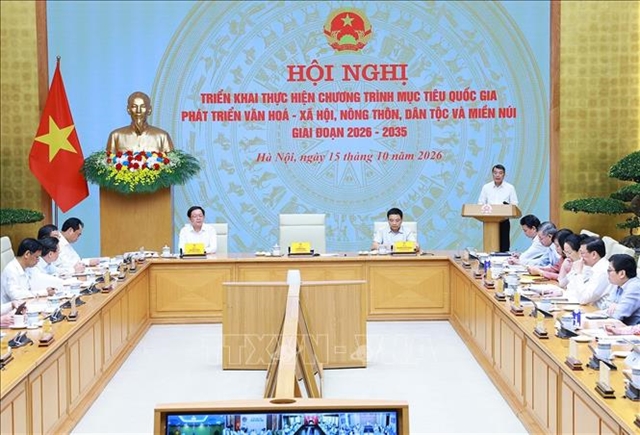
PM urges swift implementation of national target programme, ensuring people are not kept waiting
1.
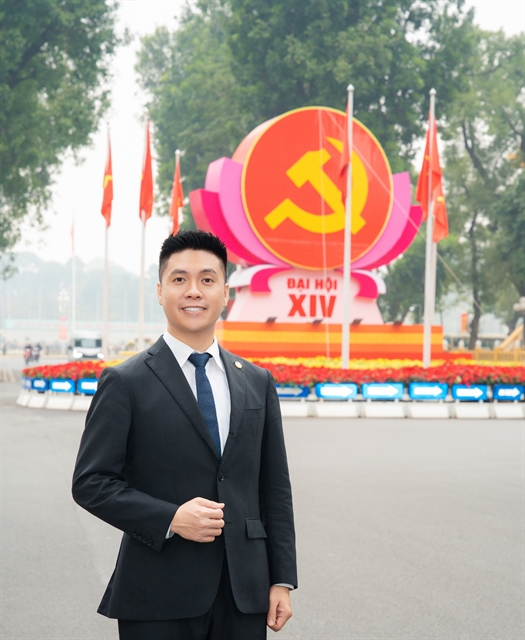 |
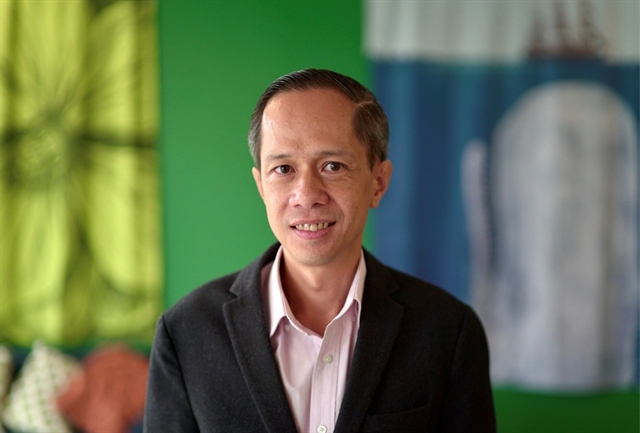
| Nguyễn Duy Anh, General Secretary of the Global Network for Vietnamese Language and Culture Teaching. Photos courtesy of Duy Anh |
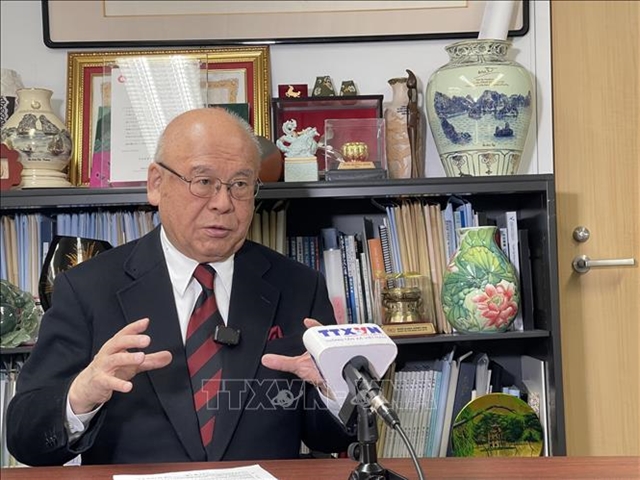
Returning to Việt Nam to vote in person at the election of deputies to the 16th National Assembly and People’s Councils for the 2026-2031 term after 20 years living in Japan, Nguyễn Duy Anh - member of Vietnam Fatherland Front’s Central Committee, Honourary President of Vietnamese Association in Fukuoka and General Secretary of the Global Network for Vietnamese Language and Culture Teaching – couldn’t hide his joy and pride when sharing this with Việt Nam News reporter Nguyễn Khánh Chi.
Given your frequent travels between Japan and Việt Nam, how significant is this particular return for you? What it feels like to be back on home soil and, for the first time in twenty years, exercise your right to vote in person?
For me, this return to Việt Nam is of overriding significance. After more than 20 years of living and working in Japan, it is the first time I will directly participate in the election right in the Fatherland. Holding the ballot in my hand, I clearly feel the responsibility of a citizen toward the future of the country.
Although living far from the Fatherland, we, Vietnamese overseas, always follow every step of the nation’s development. Therefore, being able to return and exercise the right to vote is not only a citizen’s right, but also a source of pride, a way to express our attachment and responsibility to the homeland.
It will also be a moment that makes me deeply understand that, no matter where we are, every Vietnamese is part of the national community and shares the responsibility of building the country’s future together.
As a voter, what do you expect from the deputies elected to the 16th National Assembly and People’s Councils for the 2026-2031 term, especially in the context that Việt Nam has successfully held the 14th National Party Congress and is ushering in the new stage of development?
Following the successful organisation of the 14th National Party Congress and as Việt Nam is advancing into the new stage of development, I expect the deputies of the coming National Assembly and People’s Councils term to demonstrate strategic vision, courage, and a spirit of innovation to translate the Party’s major orientations into practical policies.
Especially, as Việt Nam is strongly promoting science – technology, digital transformation, green economy and international integration, I expect that the elected deputies will pay greater attention to generating favourable mechanisms and incentives to attract and harness the intellectual resources of the Vietnamese community abroad.
Overseas Vietnamese are not only emotionally connected to the Fatherland, but also represent an important resource in terms of knowledge, international experience, and global cooperation networks. With appropriate policies, the Vietnamese community worldwide can contribute even more to the country’s development.
How did you view the performance of the 15th National Assembly and what are your expectations for the coming term of the National Assembly in creating more opportunities for the Vietnamese overseas to contribute to the country?
As far as I’m concerned, the 15th National Assembly has adopted many important decisions to promote socio‑economic recovery and development, while continuing to improve the legal system and advance institutional reforms.
In the context of a world undergoing significant upheavals, the National Assembly has demonstrated its crucial role in timely promulgating policies to support the economy, ensure social security and provide foundations for sustainable development.
For the coming term, I hope the National Assembly will continue to give attention to refining policies concerning the overseas Vietnamese community, facilitating the Vietnamese overseas to participate in such areas as science – technology, education, innovation and investment.
With effective mechanisms for connection, the intellectual resources and international experience of overseas Vietnamese will be more strongly leveraged, making practical contributions to the country’s development.
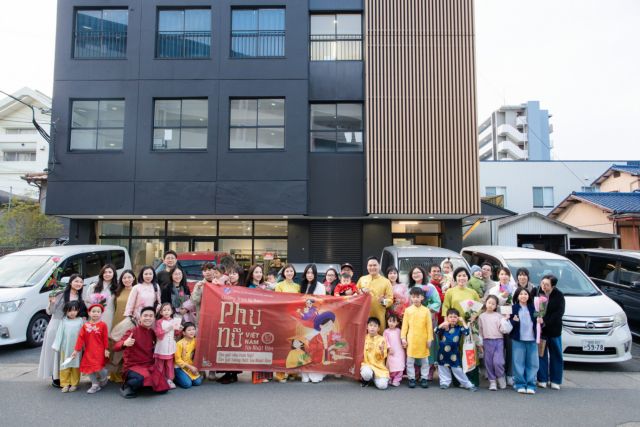 |
| Nguyễn Duy Anh (front row) pose for a group photo with Vietnamese families living in Japan’s Kyushu region, gathering in Fukuoka to mark International Women’s Day on Sunday (March 8). |
How do you see the role of parliamentary diplomacy in promoting international relations?
Parliamentary diplomacy is a very important channel within Việt Nam’s overall foreign affairs, alongside state diplomacy and people-to-people diplomacy.
During the 15th term, the external activities of the National Assembly of Việt Nam were carried out very actively. Many senior leaders, including the chairman of the National Assembly, paid visits and held working sessions in various countries, including Japan, and also participated in international parliamentary forums.
These activities not only helped strengthen Việt Nam’s bilateral relations with other countries, but also enhanced the country’s position on the international stage, while opening up numerous opportunities for cooperation in economics, science and technology, and people-to-people exchanges.
As the General Secretary of the Global Network for Vietnamese Language and Culture Teaching, what proposals do you have to enhance Vietnamese language education for youths in the Vietnamese community across the globe?
I do think that preserving and developing the Vietnamese language within overseas Vietnamese communities is of great importance, not only for cultural identity but also for maintaining lasting bonds between generations of expatriates and their homeland. From the practical experience of the Global Network for Vietnamese Language and Culture Teaching, we hope to receive more support from domestic agencies, especially the State Committee for Overseas Vietnamese, in providing standardised learning materials, cultural resources, community teacher training programmes, and digital platforms for teaching and learning Vietnamese.
In addition, building a system that connects Vietnamese language classes, Vietnamese cultural centres, and overseas intellectual networks worldwide will help promote the spread of the Vietnamese language and culture in a more systematic and sustainable way.
I firmly believe that when Vietnamese is preserved and developed among overseas communities, it is not only a matter of language, but also a way to safeguard national identity and strengthen the attachment of generations of Vietnamese people to their homeland. VNS
Opinion
 Opinion
 Opinion
 Opinion
 Opinion
 Opinion
 Opinion
 Opinion
 Opinion
 Opinion
 Opinion
 Opinion
 Opinion
 Opinion
 Opinion