SBV to curb property price inflation, enforce lending rate rules
1.
Minh Hằng
On the eve of the election of deputies to the 16th National Assembly and people’s councils at all levels for the 2026–31 term, many young people will be casting their first ballots – a quiet but significant moment in civic life.
Students and first-time voters will head to the polls with keen expectations, seeking tangible improvements in education, employment, housing and local services. Above all, they want elected representatives who will truly represent the people, propose policies that drive local development, and be accountable for their promises.
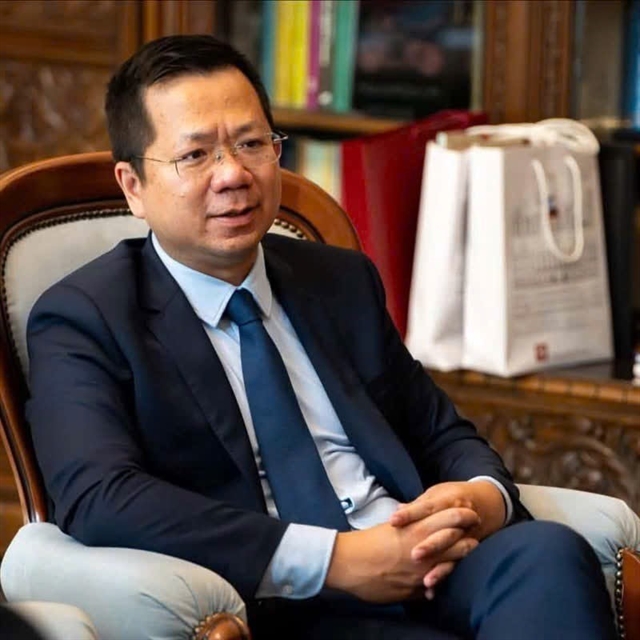
Trịnh Minh Ngọc, 19, a first-year student of the Vietnam National University, Hà Nội
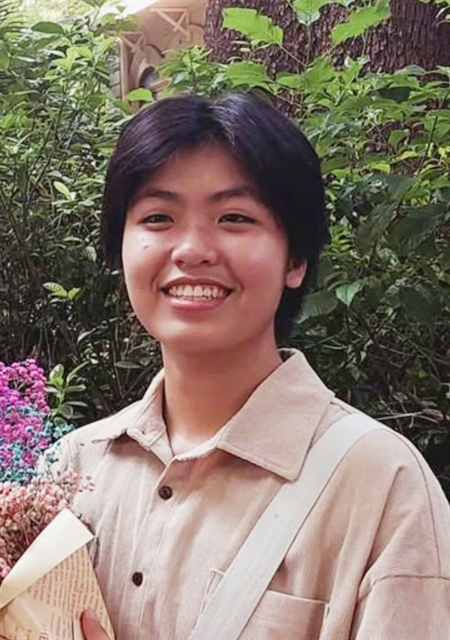 |
| Trịnh Minh Ngọc, 19, a first-year student of the Vietnam National University, Hà Nội. |
When I was in high school I still felt like a child. Now, as a first‑year university student, I feel older and more responsible. I care more about my learning environment, development opportunities, education policy and everyday life. This will be my first time voting, so I’m both nervous and proud.
As soon as the ward posted the candidate list, I read it and researched the contenders to pick those I consider worthy. At the polling station I realised I was not alone – many people around me were taking their civic duty seriously, from doing research to sharing accurate information with family. I’ve started speaking up more with friends and relatives and reminding one another to vote correctly and on time.
As a freshman I will support candidates who offer concrete proposals to improve education: clear plans to link universities with employers, paid internships, career guidance and measurable goals. I want timelines and public updates – that’s how we can tell whether promises will become real jobs.
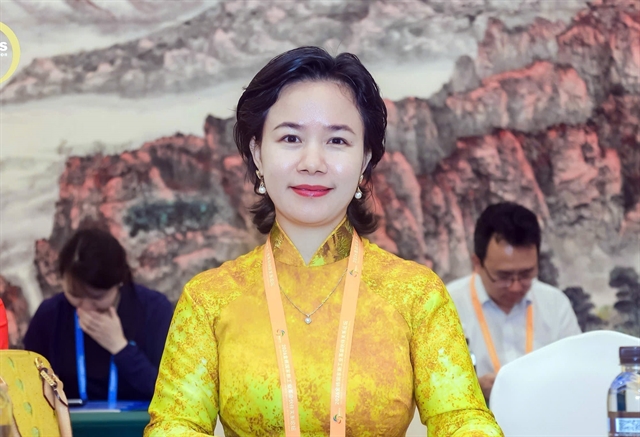
Hoàng Công Chung, 21, a third-year student from Hà Nội Medical University
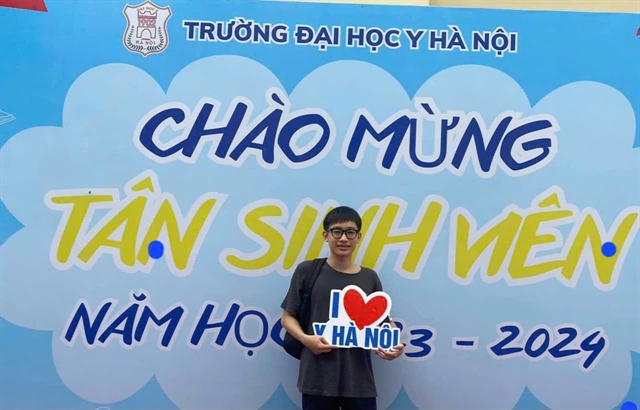 |
| Hoàng Công Chung, 21, a third-year student from Hà Nội Medical University. |
It was only when I began studying preventive medicine in depth that I truly grasped the value of disease prevention and the quiet sacrifices made by healthcare workers, particularly during the COVID-19 pandemic. Through lectures on epidemiology and reflections on real-world efforts such as contact tracing, mass vaccination campaigns and public health communication, I came to understand that behind every clinical or technical decision sits a broader framework of policy and governance.
As a result, this first election in which I am eligible to vote feels like more than a simple civic entitlement. It is a responsibility that comes with studying to safeguard community health. I took time to read each candidate’s biography carefully, paying close attention to those with experience in healthcare, education and environmental management – fields that directly shape people’s quality of life. I also discussed pressing concerns with my classmates, from air pollution to food safety in school canteens, issues that preventive medicine seeks to address before they escalate into wider health risks.
My studies have taught me that health is not determined by individual behaviour alone; it is profoundly influenced by living conditions and regulatory systems. If, on the day, I hold the ballot in my hand, I will feel I am playing a small but meaningful role in choosing representatives who can back practical policies for both healthcare workers and patients, and help build a safer, healthier community.
Casting my vote will be a personal milestone, a moment when I recognise myself not just as a university student but as an engaged citizen with a stake in collective decisions. I believe medical students today are learning not only to prevent illness but also to participate in civic life, beginning with the responsibility to vote.
Nguyễn Thị Hải Anh, 19, a first-year student from the University of Labour & Social Affairs
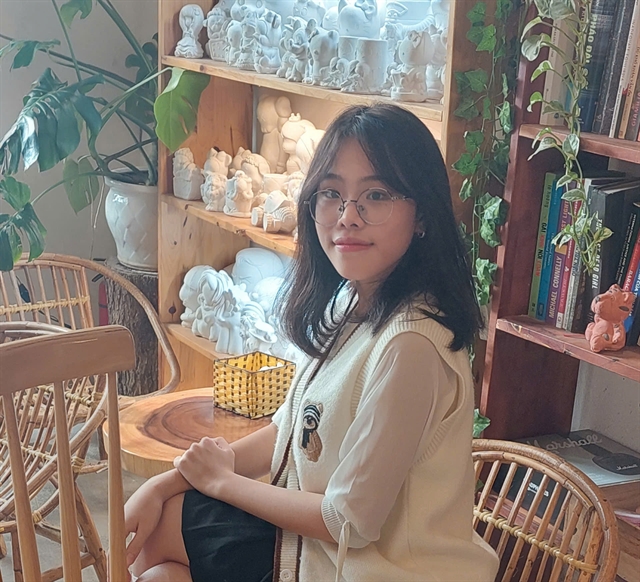 |
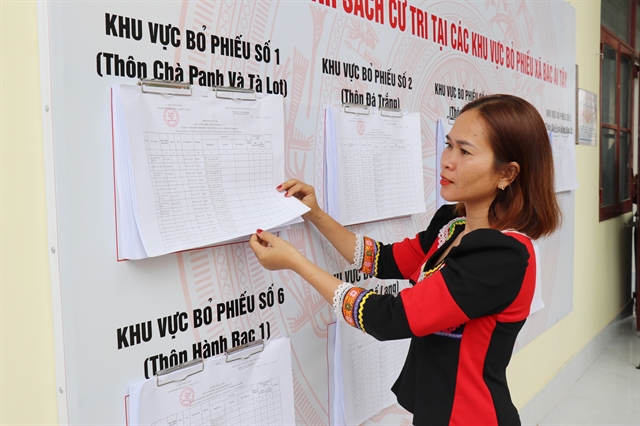
| Nguyễn Thị Hải Anh, 19, a first-year student from the University of Labour & Social Affairs. |
With election day approaching, the city – from boulevards to alleys – is awash with flags, posters and banner. It feels like a genuine public festival.
I view voting as a milestone in my coming of age. Until now I only heard about parliamentary elections on the radio or from my parents and grandparents, so taking part myself feels memorable. This morning I went to the neighbourhood polling station as soon as the ward posted the lists of voters and candidates. I read candidates’ profiles, work histories and action plans carefully and will discuss them with my family to choose the delegates I believe are most deserving.
I am especially concerned with commitments on education and youth employment. Doing my homework helps me make a responsible choice rather than voting on impulse. I hope our representatives will uphold integrity and duty, genuinely listen to the people, especially young voices, and craft practical policies that support education, start‑ups and opportunities for the next generation.
Phạm Công Long, 22, a fourth-student of Hanoi University of Science and Technology
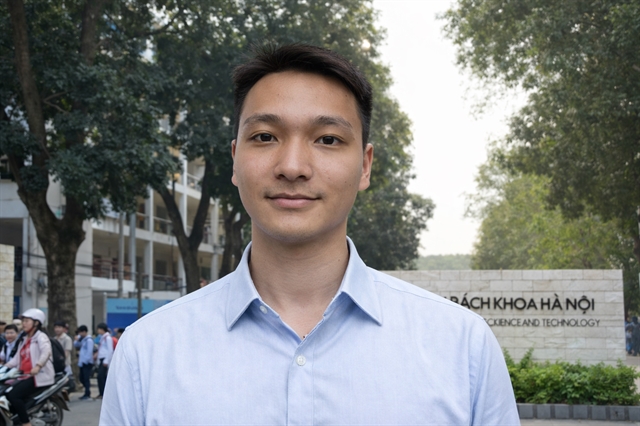 |
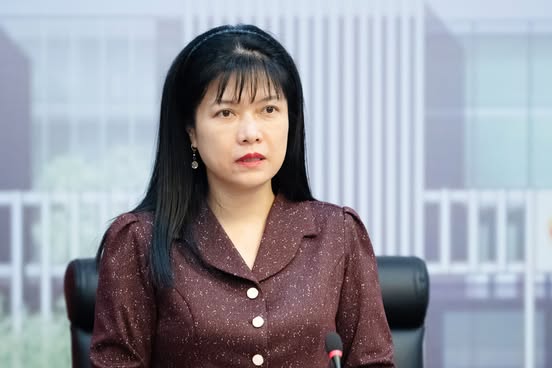
| Phạm Công Long, 22, a fourth-student of Hanoi University of Science and Technology. |
Recently, my classmates and I have been discussing our first time voting. We agreed to prepare by researching the election process and candidates’ backgrounds. I believe this homework is essential before casting a ballot.
Our main concern is securing work after graduation. Many young people from my home province of Hưng Yên go abroad for labour, leaving local firms understaffed and villages increasingly populated only by the elderly and young children.
I hope to find a good job near home so I can stay with my family and contribute to my community. I also expect elected officials to pay greater attention to young people’s prospects, prioritising job creation and support for small businesses so graduates can return and help develop their hometowns. — VNS
 Opinion
 Opinion
 Opinion
.jpg) Opinion
Opinion
 Opinion
 Opinion
 Opinion
 Opinion
 Opinion
 Opinion
 Opinion
 Opinion
 Opinion
 Opinion