 Life & Style
Tuyên Quang festival offers a hands-on experience of Tày culture
1.
|
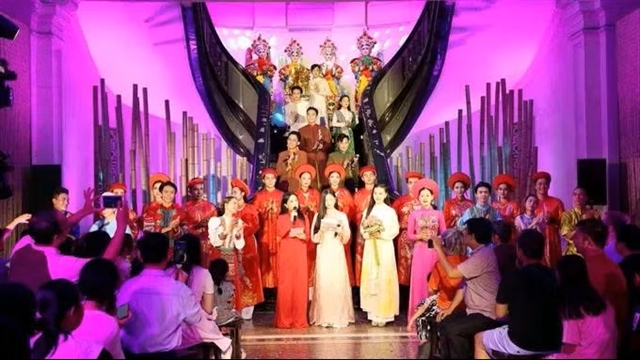
| Traditional art performances take place every weekend evening at the Hồ Chí Minh City Museum. — Photo courtesy of the Hồ Chí Minh City Museum |
HCM CITY — As evening descends on HCM City, museums, heritage sites and cultural venues across the southern metropolis are transforming into vibrant hubs of the night-time economy, unlocking the value of cultural heritage while supporting the growth of the city's cultural industries and tourism.
On weekend evenings, the century-old Hồ Chí Minh City Museum of Fine Arts offers visitors an experience that goes well beyond conventional exhibitions.
Guests stroll through galleries showcasing fine arts, learn about the history of the French colonial-era building and then gather in the courtyard, where live violin performances transform the museum into an atmospheric cultural venue. The blend of architecture, visual arts and music presents a fresh interpretation of the traditional museum experience.
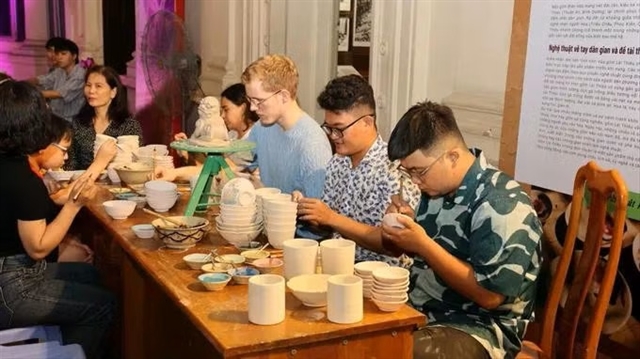
The HCM City Museum has adopted a similar approach by extending its opening hours from 7pm to 9pm. Visitors can explore the museum's collections while taking part in tea sessions that introduce the cultural significance of tea in Vietnamese life. The programme encourages guests to engage with heritage through storytelling and sensory experiences, rather than simply viewing historical artefacts.
These initiatives reflect a broader transformation across the city, where museums are evolving from static exhibition spaces into lively centres for culture, education and community interaction.
Evening operations are not simply about accommodating more visitors; they are creating distinctive cultural products tailored to contemporary urban lifestyles and the growing demand for interactive experiences.
Nguyễn Minh Nhựt, deputy director of the HCM City Department of Culture and Sports, told Sài Gòn Giải Phóng newspaper that the city aims to establish museums as popular weekend evening destinations.
Beyond their traditional educational role, museums are expected to become cultural spaces where residents and visitors alike can enjoy artistic performances, heritage education and community activities.
Director of the HCM City Museum Đoàn Thị Trang said the evening opening programme is currently being piloted to gauge public response before expanding to include signature products unique to the museum.
The encouraging number of repeat visitors and advance registrations for future events show that audiences are increasingly attracted by experiential programmes that complement traditional exhibitions.
Rather than adopting a standardised model, the city's authorities encourage each museum to develop programmes suited to its own collections, architecture and target audiences.
The strategy mirrors international practice, in which museums are increasingly recognised as creative and educational hubs that foster cultural engagement rather than functioning solely as repositories of historical artefacts.
The transformation has gained additional momentum since several of the city's leading museums began operating under a new financial autonomy mechanism in May.
As institutions become more responsible for generating revenue, developing innovative programmes, expanding services and attracting wider audiences has become essential to ensuring financial sustainability while reinforcing HCM City's cultural industry ecosystem.
Technology reimagines heritage
|
| Visitors try their hand at traditional ceramic decoration techniques during weekend evening activities at the Hồ Chí Minh City Museum. — Photo courtesy of the HCM City Museum |
Beyond museum walls, technology is also reshaping how the public experiences the city's heritage.
Under Plan 296 on protecting cultural heritage through 2030 issued by the HCM City People's Committee, the city is integrating conservation with the development of cultural industries, cultural tourism and the creative economy. The strategy aims to ensure that historical assets remain relevant by becoming part of contemporary urban life.
That vision is already materialising through large-scale digital performances. During celebrations marking the 50th anniversary of Sài Gòn-Gia Định officially being named after President Hồ Chí Minh, a spectacular 3D mapping show transformed the façade of the City Hall into a visual chronicle of the city's half-century of development.
Trần Việt Tân, chairman of VINAMA Media JSC, which participated in the programme, said technology should complement rather than replace heritage. Through carefully researched combinations of historical narratives, architectural features, light, sound and digital imagery, projection mapping enables audiences to experience the city's history in a more vivid and emotionally engaging way.
According to Tân, the greatest value of such performances lies in sparking curiosity, particularly among young audiences, inspiring them to explore the stories behind the projections long after the show concludes.
He said HCM City has strong potential to develop technology-based night-time cultural products. However, sustaining attractions such as 3D mapping will require long-term planning, continuously refreshed content and close collaboration among Government agencies, cultural and tourism authorities, and creative enterprises.
Above all, each programme must tell an authentic local story, as cultural identity remains the defining factor that distinguishes one destination from another.
From museum galleries to landmark buildings and public spaces, technology is opening new opportunities for residents and visitors to engage with heritage in dynamic and accessible ways.
Combined with performing arts, heritage education and tourism experiences, these initiatives are helping extend visitors' stays, stimulate the city's night-time economy and showcase its rich historical and cultural legacy to broader audiences. — VNS
Life & Style
 Life & Style
 Life & Style
 Life & Style
 Life & Style
 Life & Style
 Life & Style
 Life & Style
 Life & Style
 Life & Style
 Life & Style
 Life & Style
 Life & Style
 Life & Style
 Life & Style