 Life & Style

AI and EV Boom Draws $690 Million in Advanced Materials Investment Plans to Thailand
1.
|
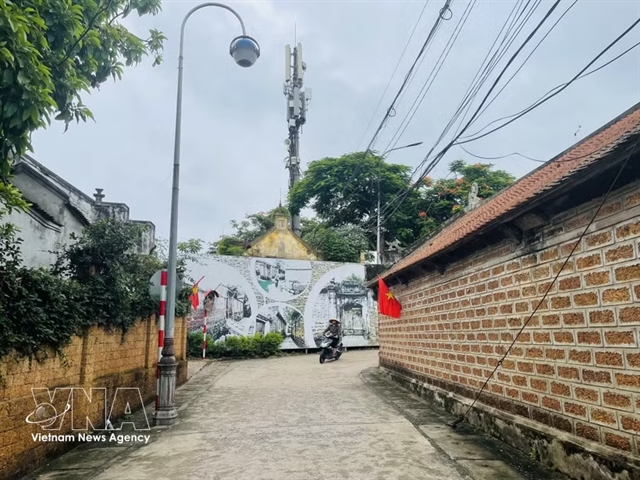
| An alley in Đường Lâm Ancient Village in Hà Nội is preserved and renovated, contributing to the formation of a heritage space network linked with community development and cultural tourism. VNA/VNS Photo |
HÀ NỘI – As travellers increasingly seek authentic cultural experiences, accommodation is evolving from a place to stay into the starting point of a destination's story.
Tourism experts said integrating local heritage and cultural identity into hotels, homestays and other lodging facilities can enhance visitor experiences while creating greater value for local communities.
Several accommodation providers in Hà Nội have begun incorporating elements of cultural heritage, traditional handicrafts and Vietnamese art into their interior design, services and guest activities, reflecting a growing trend towards experience-based tourism.
According to architect Đoàn Phương, founder of D+ Vietnam Architecture JSC, the integration of cultural elements into accommodation is driven by changing market demand. Around 85 per cent of travellers seek authentic cultural experiences, while 78 per cent prefer businesses that reflect local identity. Design and aesthetics also play an important role in booking decisions.
For Millennials and Generation Z travellers who were born from 1981 to 1996 and between 1997 and 2012, respectively, accommodation is increasingly chosen for the experiences it offers rather than simply for comfort or convenience. Hotels and homestays with distinctive cultural stories and visually appealing designs often stand out from conventional properties.
The growing popularity of sustainable tourism is another factor behind the trend. Studies show that 76 per cent of travellers want more sustainable travel experiences, while 66 per cent hope their spending will generate benefits for local communities.
However, the use of local cultural elements in many accommodation facilities remains largely decorative, serving mainly as visual highlights rather than creating meaningful cultural experiences. As a result, accommodation has yet to become an integral part of visitors' cultural journeys or a significant driver of community development.
Phương said accommodation providers should move beyond simply showcasing heritage and instead adopt a more comprehensive approach that activates the full value of cultural assets. This requires close cooperation among hotel operators, cultural authorities, traditional craft villages and local communities.
Việt Nam has yet to fully tap the country's rich cultural resources in the accommodation sector. While several international and domestic hotel management groups have introduced concepts inspired by local culture, many small and medium-sized hotels, homestays and independent lodging establishments still focus primarily on providing basic accommodation instead of offering carefully curated cultural experiences.
Lê Xuân Vinh, vice chairman of the Hoàn Kiếm ward Tourism Association in Hà Nội, said few hotels in the area have successfully incorporated the stories of traditional craft villages and local heritage into their accommodation products, despite strong demand from visitors for such experiences.
Tourism specialists noted that accommodation is often visitors' first point of contact with a destination, making it an ideal place to introduce local lifestyles and traditions. When cultural values are woven into accommodation products, they can help build stronger links between tourism, culture and the local economy.
However, limited coordination among accommodation operators, designers, artisans, craft villages and tourism businesses has prevented the development of competitive cultural tourism products.
Experts called for practical guidelines to help integrate cultural elements into accommodation design and management, along with stronger partnerships between hotels, local artisans, designers and communities.
They also recommend developing tourism routes linking accommodation facilities with heritage sites, traditional craft villages and cultural spaces, allowing each property to build its own distinctive identity around local crafts, cuisine or history. VNA/VNS
Life & Style
 Life & Style
 Life & Style
 Life & Style
 Life & Style
 Life & Style
 Life & Style
 Life & Style
 Life & Style
 Life & Style
 Life & Style
 Life & Style
 Life & Style
 Life & Style
 Life & Style