 Life & Style

Capital market development critical to unlock investment resources
1.
|
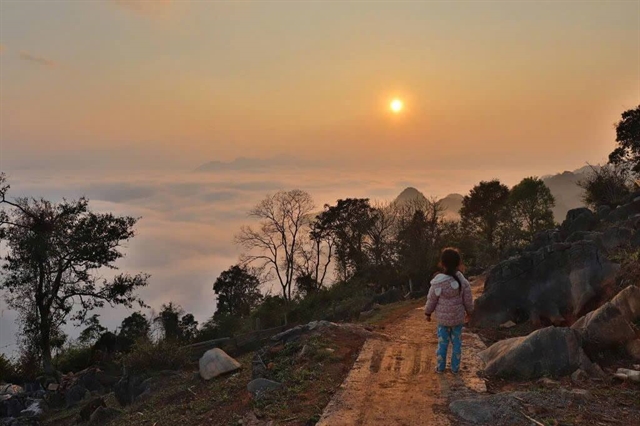
| Hang Kia-Pà Cò in Pà Cò Commune, Phú Thọ Province, has become a popular destination thanks to its cool climate and breathtaking natural scenery. — Photo maichauhideaway.com |
PHÚ THỌ — Digital technology is opening new opportunities for Phú Thọ Province’s highland tourism, helping local communities reach more travellers through online platforms and smart tourism services.
Through social media, digital communication products, online booking platforms and smart tourism maps, many community-based tourism sites, natural attractions and ethnic cultural experiences are gaining greater visibility among both domestic and international visitors.
The province welcomed more than 10.5 million visitors in the first six months of 2026, with highland areas recording particularly encouraging growth. The figures reflect the growing effectiveness of digital transformation in tourism promotion and destination management, in line with national efforts to harness science, technology and innovation as new drivers of socio-economic development.
Digital outreach
Today, travellers can easily search for information about destinations across the province using smartphones. From famous attractions to remote mountain homestays, visitors can browse images, read reviews, navigate routes, book accommodation and contact hosts directly through digital platforms.
These technologies not only save time and costs but also allow tourists to plan personalised travel experiences more conveniently, especially when exploring mountainous villages.
Giàng A La, a young member of the Mông ethnic group in Pà Cò Commune, has become a notable example of how digital tools can support community-based tourism.
Over the past several years, A La has actively promoted his hometown through social media platforms, gradually building the brand of A La Homestay while introducing the beauty of Pà Cò to a wider audiences.
Recognising social media as an effective marketing channel, he invested in smartphones, cameras and filming equipment to create regular content featuring local landscapes, traditional culture, daily life and tourism experiences of the Mông community.
Thanks to his systematic approach, A La Homestay now welcomes around 20 to 30 visitors each month, generating revenues of approximately VNĐ30-40 million (US$1,150-1,540).
A La said digital transformation was not only a promotional tool but also a way to strengthen community connections. Drawing from his own experience, he has supported local young people in accessing technology, forming start-up groups and developing tourism services within their hometowns.
His efforts have helped create a growing network of households participating in community tourism, contributing to income generation while preserving traditional cultural values.
Meanwhile, Vân Sơn Commune, often referred to as the "Roof of Mường Land", is also embracing digital platforms to introduce its landscapes and culture to tourists.
Secretary of the Vân Sơn Commune Party Committee Nguyễn Duy Tư said local authorities and residents have actively developed digital communication channels to promote the area’s scenery, cuisine, culture and agricultural products.
Tư himself has produced short videos showcasing local life and tourism experiences. One of the commune’s first promotional videos attracted more than one million views within a single day of being posted online, drawing thousands of visitors during the following week.
Within a month, five additional households registered to develop homestay services, opening up new opportunities for tourism-led local economic growth.
Growing momentum
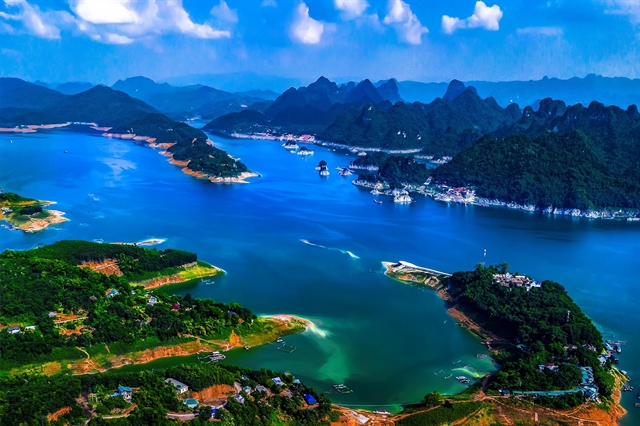
|
| Hòa Bình Lake in Phú Thọ Province, often described as the 'Hạ Long Bay among the mountains', captivates visitors with its majestic yet poetic beauty. — Photo odgtravel.com |
Other highland localities, including Đà Bắc, Mai Châu, Kim Bôi, Tân Mai, Quy Đức and Tiền Phong, are also accelerating the use of digital technologies in tourism promotion.
According to the provincial Department of Culture, Sports and Tourism, demand for highland tourism experiences has continued to grow in recent years, particularly among international travellers seeking authentic cultural experiences, sustainable tourism products and pristine natural landscapes.
To respond to these trends, the province has identified digital transformation as a central strategy for improving tourism promotion, expanding markets and enhancing visitor experiences.
The province is encouraging tourism businesses, cooperatives and local households to strengthen the application of digital technology in marketing, business operations and tourism services.
Đặng Tuấn Hùng, head of the Tourism Management Division under the provincial Department of Culture, Sports and Tourism, said platforms such as Facebook, TikTok and YouTube have become highly effective communication channels for promoting highland tourism.
Many professionally produced videos featuring local destinations have attracted millions of views online, helping lesser-known attractions gradually emerge as appealing destinations for travellers seeking exploration and cultural immersion.
Beyond increasing visitor numbers, digital technology is also creating opportunities to promote local agricultural products, speciality products, traditional crafts and indigenous culture.
As tourism grows, related services such as accommodation, transport, food, tour guiding and cultural performances are also benefiting, creating jobs and improving incomes for local communities.
Next steps
At the same time, the growing digital presence of highland destinations is helping strengthen local branding, support trade promotion activities and attract investment into the tourism sector.
In the second half of 2026, Phú Thọ Province plans to continue expanding digital transformation efforts by organising training programmes aimed at improving digital skills for tourism stakeholders, especially residents in highland communes.
The programmes will focus on equipping households, cooperatives and tourism businesses with practical technology skills to further improve tourism promotion and service quality in the digital era. — VNS
Life & Style
 Life & Style
.jpg) Life & Style
Life & Style
 Life & Style
 Life & Style
 Life & Style
 Life & Style
 Life & Style
 Life & Style
 Life & Style
 Life & Style
 Life & Style
 Life & Style
 Life & Style
 Life & Style