 Life & Style
Ambassador pledges every effort to promote Việt Nam–Sweden ties
1.
|
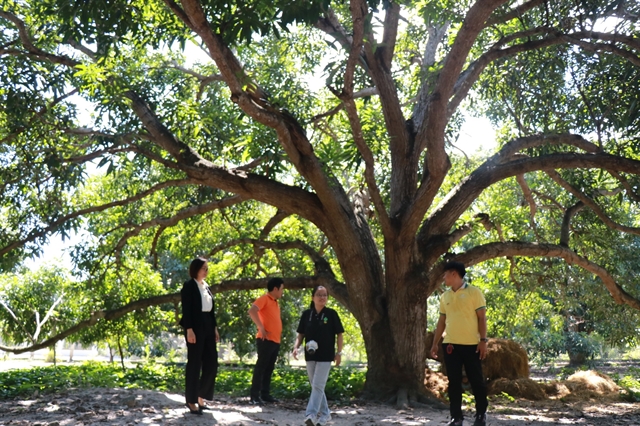
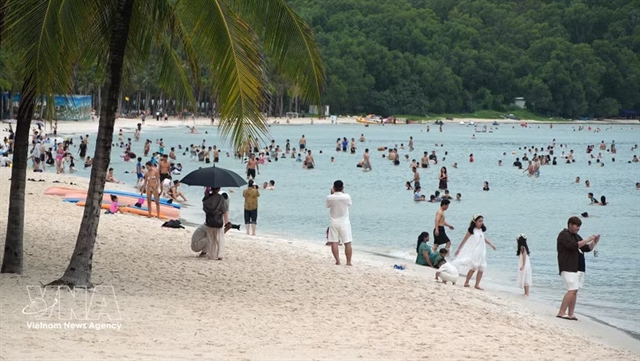
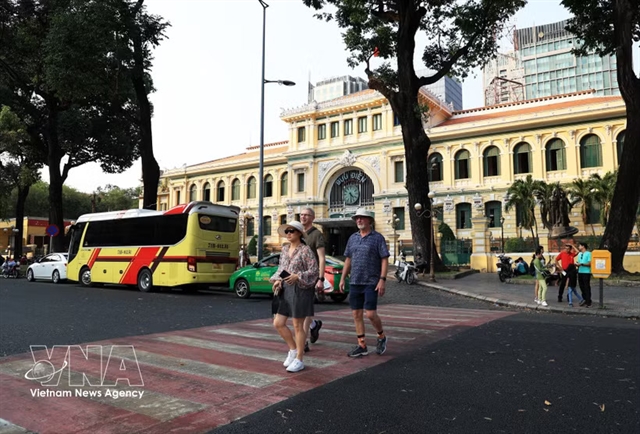
| Green tourism is the new trend in numerous destinations. — VNA/VNS Photo Phan Sáu |
HÀ NỘI — Việt Nam is accelerating the transition to circular tourism, seeking to transform the sector from a consumer of natural resources into a force for environmental restoration, cultural preservation and community development while advancing its net-zero emissions target for 2050.
Unlike conventional sustainable tourism, circular tourism goes beyond reducing environmental impacts. It embraces a regenerative approach in which every journey contributes to restoring ecosystems, preserving cultural heritage and strengthening the resilience of local communities.
According to the Vietnam National Authority of Tourism (VNAT), the model rests on three interconnected pillars: green infrastructure and circular destination design, financially viable business models that encourage enterprises to adopt sustainable practices, and active participation by local communities and value chains.
VNAT Deputy Director Nguyễn Thị Hoa Mai said tourism should create opportunities for local people, protect cultural heritage and foster greater understanding between cultures.
She said the key question for the future of global tourism is how destinations can ensure that local culture, community well-being and visitor experiences reinforce one another.
Mai stressed that local communities must become active partners, rather than passive beneficiaries, in tourism development. This approach is reflected in Việt Nam's Tourism Law, the Tourism Development Strategy to 2030 and the national target programme supporting rural development and ethnic minority communities.
Việt Nam has also introduced policies to improve infrastructure, strengthen vocational skills, promote entrepreneurship and expand community participation in destination management.
To advance circular tourism, VNAT has identified four priorities.
The first is to pilot circular tourism models in destinations with strong potential for eco-tourism, island tourism and agricultural tourism, while ensuring low-carbon operations, eliminating plastic waste and promoting water recycling.
The second is to strengthen local supply chains by encouraging hotels and tourism businesses to source local agricultural products, organic food and One Commune One Product (OCOP) items through direct partnerships with farmers and traditional craft villages.
The third priority is to expand circular resource management by introducing waste separation, composting, wastewater reuse and smart energy systems powered by renewable sources such as solar and biomass.
The final priority is to build a national database of circular economy initiatives, integrate successful models into tourism planning and national green tourism standards, and expand access to green finance for tourism businesses.
VNAT said achieving regenerative tourism will also require embedding green solutions into tourism planning from the outset and improving transparency by providing visitors with information on carbon footprints and resource savings.
The authority also sees visitors playing a more active role in sustainability. Activities such as recycling, tree planting and coral reef restoration can become part of the travel experience, allowing tourists to make a tangible contribution to destinations while creating more meaningful journeys.
By shifting from consumption-driven tourism to value creation, Việt Nam aims to embed circular practices into local culture and transform sustainability into a defining feature of its tourism industry, enhancing the country's appeal to both domestic and international travellers. — VNA/VNS
Life & Style
 Life & Style
 Life & Style
 Life & Style
 Life & Style
 Life & Style
 Life & Style
 Life & Style
 Life & Style
 Life & Style
 Life & Style
 Life & Style
 Life & Style
 Life & Style
 Life & Style