 Life & Style
Hà Nội suspends approval of new social housing projects
1.
Dr Olga Sambolska*
Endometriosis is a long-term inflammatory disease caused by endometrial cells (cells from the inner lining of the uterus) growing outside the uterus.
These growths can be found on the ovaries, fallopian tubes, bladder, bowel, and rarely, in areas outside the pelvis such as the lungs or brain.
Endometriosis is common, affecting about one in 10 women. Many women live with symptoms for years before receiving a diagnosis. It is estimated that only 50 per cent or fewer women with endometriosis are formally diagnosed, meaning around one in two women with the condition remain undiagnosed.
Symptoms of endometriosis
Symptoms of endometriosis vary from person to person. Some women have mild symptoms, while others experience severe pain that significantly affects daily life.
Painful periods (dysmenorrhea)
This is the most common symptom of endometriosis symptoms and treatment concerns. Pain may:
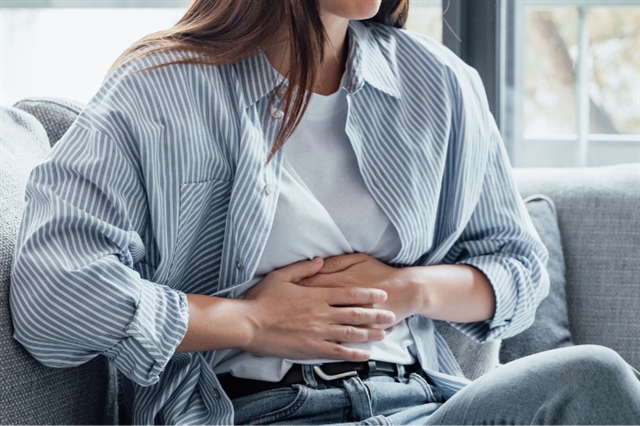 |
| Painful periods as a common sign of endometriosis symptoms and treatment needs. — Photo canva.com |
Pelvic pain
Pain during or after sex
Bowel symptoms
When endometriosis affects the bowel, symptoms may include:
Bladder symptoms
If the bladder or urinary tract is involved:
Other symptoms
A key feature of endometriosis symptoms and treatment planning is that symptoms often follow the menstrual cycle and worsen before or during periods.
How endometriosis is diagnosed
In the past, surgery was often required to confirm endometriosis. Today, this is no longer necessary for most women.
Medical history
Diagnosis often begins with pelvic pain during or around periods that worsens over time.
Physical examination
A pelvic exam may show tenderness or pain, but a normal examination does not rule out endometriosis.
Imaging tests
It is important to note that normal imaging does not exclude endometriosis. Around 50-70 per cent of women with normal scans may still have the condition.
Laparoscopy
Surgery is reserved for specific situations, such as:
Treatment options for endometriosis
There is no single cure, but endometriosis symptoms and treatment can usually be well controlled.
Medical (non-surgical) treatment
These treatments can be effective even without surgical confirmation.
Surgical treatment
Surgery may be recommended if:
When to see a doctor
If you experience painful periods or chronic pelvic pain, it is important to consult an OB-GYN specialist to assess endometriosis symptoms and treatment options. Early evaluation and appropriate endometriosis symptoms and treatment can help reduce pain, improve quality of life, and protect fertility in the long term. — Family Medical Practice
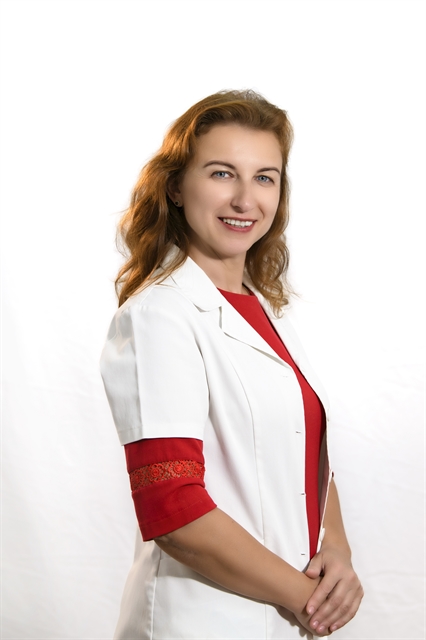 |
| Dr. Olga Sambolska. — Photo courtesy of Family Medical Practice |
*Dr Olga Sambolska graduated from Lviv National Medical University in 1996 and began her medical career at the Volyn Regional Maternity Hospital in Ukraine. Since 1998, she has been a registered obstetrics and gynaecology doctor, providing health care to women in relation to pregnancy, birth control, menopausal issues, contraception, menstrual cycle disorders and sexually transmitted diseases. She is fluent in English, Ukrainian, Polish and Russian.
FMP Healthcare Group operates medical centres in major cities including HCM City, Hà Nội and Đà Nẵng, offering consultations with international doctors, check-up centres and emergency ambulance services.
Visit FMP Hà Nội 24/7 at 298I Kim Mã Street, Ngọc Hà Ward, Hà Nội.
To book an appointment, please call us at (024).3843.0784, or contact us via WhatsApp, Viber or Zalo on +84.944.43.1919 or email hanoi@vietnammedicalpractice.com.
Life & Style
 Life & Style
 Life & Style
 Life & Style
 Life & Style
 Life & Style
 Life & Style
 Life & Style
 Life & Style
 Life & Style
.jpg) Life & Style
Life & Style
 Life & Style
 Life & Style
 Life & Style
 Life & Style