 Life & Style
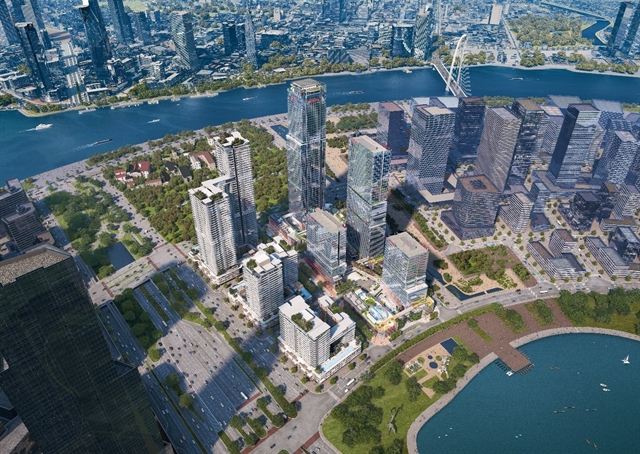
Lotte, Phát Đạt combine strengths in Thu Thiem project
1.
|
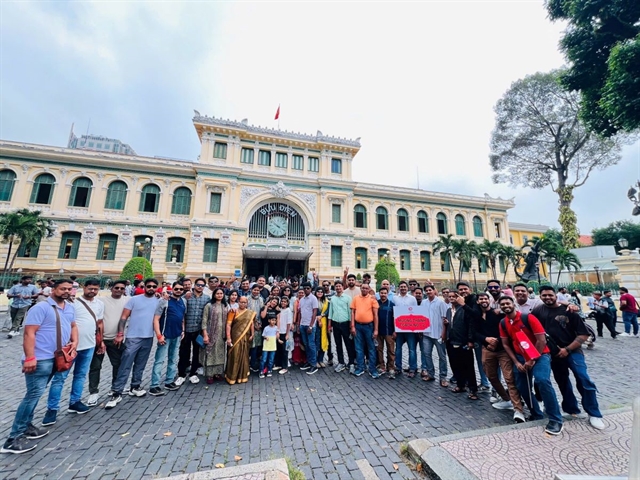
| Indian tourists take group photos in front of the Central Post Office in HCM CIty. — Photo courtesy of Hồ Chí Minh City's Department of Tourism |
HCM CITY — Hồ Chí Minh City's rich and varied cultural heritage remains largely untapped, held back by the absence of a unified strategy. As a result, cultural tourism plays a supporting role rather than stepping into the spotlight as the true heartbeat of its urban tourism sector.
Culture still an “add-on” product
Few cities in the region can rival HCM City's cultural – historical panorama. Vestiges of old Sài Gòn endure in iconic French-colonial structures such as the Central Post Office, Independence Palace, and Notre Dame Cathedral; the Chợ Lớn area with its network of assembly halls, festivals, and signature cuisine of the Chinese-Vietnamese community; an array of museums and revolutionary sites, from the War Remnants Museum, the Hồ Chí Minh City History Museum to the Southern Women’s Museum, the Củ Chi Tunnels, and the Rừng Sác Military Base.
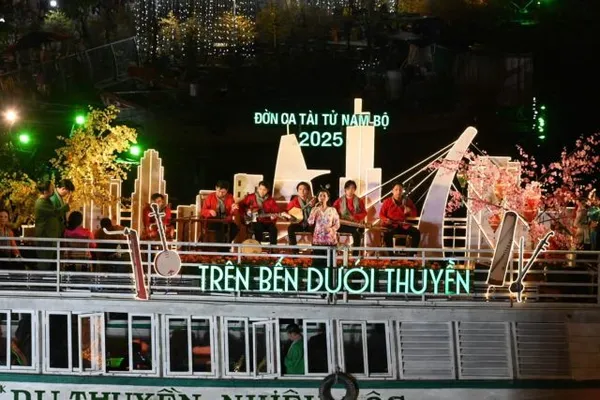
Complementing these physical assets are intangible treasures like đờn ca tài tử (southern amateur music), water puppetry and folk festivals, which are valuable “soft assets” capable of narrating the city's unique urban identity. Yet, these assets largely exist in fragmented form, lacking the structured "packaging" needed to transform them into high-value, economically impactful tourism products.
Industry players confirm that local cultural tourism largely exists as a supplementary component. At Vietravel, for example, museums and historical sites typically serve as add-ons to enhance standard city tours or MICE itineraries.
Phạm Anh Vũ, Director of the Viet Travel Media JSC, noted that key attractions like the Independence Palace, Củ Chi Tunnels, War Remnants Museum, Notre Dame Cathedral, Nhà Rồng Wharf and Chợ Lớn Market are most often bundled with shopping sprees, culinary escapades and urban sightseeing rather than curated into story-rich thematic tours with allocated time and depth.
Travel operators pointed out that many visitors, especially domestic ones, perceive HCM City first and foremost as an economic and entertainment hub, opting for short, flexible itineraries.
This preference deters substantial investment in bespoke cultural tours which demand extended time and genuine curiosity. In an industry where margins are famously slender, operators sensibly gravitate toward versatile, easily marketable bundled tours that promise swift returns and effortless sales.
Policies needed to unleash true potential
As 2026 unfolds, several tour operators are reevaluating the position of cultural tourism within their portfolios. Tần Quang Duy, Director of the Chim Cánh Cụt Travel Service JSC, treats it as a long-game priority, yet proceeds with measured, selective commitments rather than aggressive scaling.
Meanwhile, the Việt Travel Media JSC is pursuing a phased rollout, focusing on two to three signature creations before venturing further afield. Tours such as “300 Years of Sài Gòn– From formative settlement to modern metropolis”, Chợ Lớn cultural tours spotlighting the Chinese-origin community, and heritage gastronomy and performance tours are designed along curated routes, marrying expert storytelling with the living canvas of the streets. These products target foreigners seeking in-depth experiences and domestic tourists ready to pay for cultural value.
Cultural tourism holds undeniable potential to rise as one of HCM City’s most coveted signatures. However, systemic bottlenecks remain, particularly fragmented coordination with heritage and museum management units, restrictive opening hours, administrative red tape, intellectual property constraints and limited technology integration.
Against this backdrop, the city was urged to issue a comprehensive and long-term cultural tourism development strategy, in which the municipal administration acts as an orchestrator, clearly identifying key cultural and heritage axes, investing in infrastructure, pedestrian spaces and night tours; and forging substantive public – private partnership mechanisms. — VNA/VNS
Life & Style
 Life & Style
 Life & Style
 Life & Style
 Life & Style
 Life & Style
 Life & Style
 Life & Style
 Life & Style
 Life & Style
 Life & Style
 Life & Style
 Life & Style
 Life & Style
 Life & Style