 Economy


AI and EV Boom Draws $690 Million in Advanced Materials Investment Plans to Thailand
1.
|
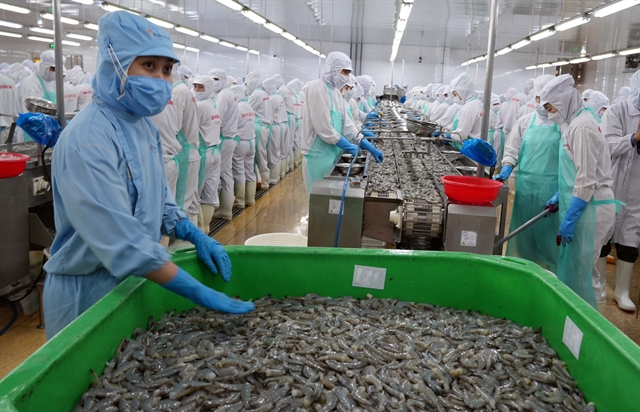
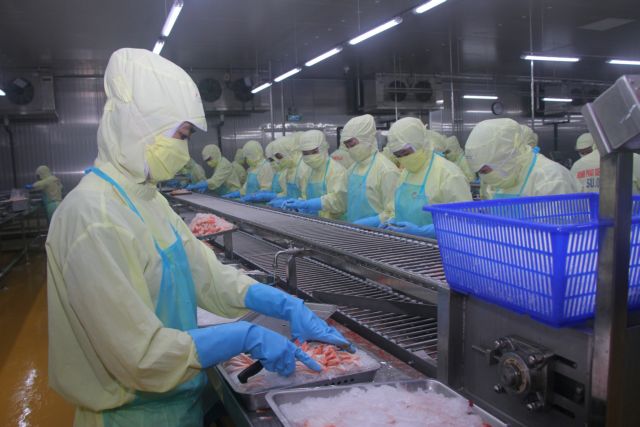
| Shrimp is being process for export in Cà Mau Province. Shrimp remained Việt Nam’s largest seafood export item, generating about $2.3 billion in the first half. — VNA/VNS Photo Trung Hiếu |
HÀ NỘI — China has surpassed the US to become the largest buyer of Vietnamese seafood, with imports reaching nearly US$1.4 billion in the first half of 2026, up about 40 per cent year-on-year, according to statistics of the Ministry of Agriculture and Environment.
The recorded imports were nearly $898 million in the period, down about 1 per cent. Japan ranked third with nearly $788 million, a 2 per cent increase.
A representative from seafood exporter Nam Viet Corporation said that the shift towards China has become more visible since the beginning of the year. The company as shipping costs to distant markets remained high, China became a more attractive destination thanks to its geographical proximity, lower logistics costs and faster capital recovery.
Lê Hằng, deputy general secretary of the Vietnam Association of Seafood Exporters and Producers (VASEP), said that the US and European markets introduced more trade barriers, so many seafood exporters had proactively shifted to China.
Exports to the US continued to face challenges, Hằng said.
She pointed out that the US’ stricter requirements under the Marine Mammal Protection Act (MMPA) have forced exporters to obtain additional Certificates of Admissibility (COA), which creates complicated procedures, particularly for tuna products.
Shrimp exports to this market have also remained under pressure from high anti-dumping duties.
The US market was further affected by increased shipments ahead of new tariff measures, which pushed up inventories.
The VASEP said seafood export growth during the period reflected not only recovering demand but also businesses’ ability to adjust markets and restructure products as importers have become more cautious while requirements on pricing, quality standards, certification and traceability have tightened.
Other markets also recorded positive growth. The Republic of Korea imported $419.4 million worth of seafood from Việt Nam in the first six months, up 9 per cent, while ASEAN markets purchased more than $380 million, up 16 per cent.
The figures show that Việt Nam’s market diversification strategy has helped offset slower growth in traditional markets such as the US, the EU and Japan.
Overall, Việt Nam’s seafood exports totalled more than $5.7 billion in the January-June period, rising 11.4 per cent from a year earlier.
Shrimp remained Việt Nam’s largest seafood export item, generating about $2.3 billion in the first half, up 13.6 per cent year-on-year and accounting for more than 40 per cent of total seafood export value. Shrimp’s growth was mainly driven by strong demand from mainland China and Hong Kong, particularly for lobster.
Pangasius exports reached about $1.1 billion, up 12.1 per cent, benefiting from competitive prices and stable demand for white-flesh fish in many markets.
According to Hằng, exporters could face the risk of additional protectionist measures from the US, including possible new barriers related to forced labour regulations and potential quotas on some seafood products.
Rising global refrigerated container freight rates are another major challenge, she added.
She urged seafood exporters to regularly update market information for export plans, diversify market and increase deep processing to maintain growth. — VNS
Economy
 Economy
 Economy
 Economy
 Economy
 Economy
.jpeg) Economy
Economy
 Economy
 Economy
 Economy
 Economy
 Economy
 Economy
 Economy
 Economy