 bizhub
VN-Index ends lower despite liquidity hit over $1 billion
1.
More than 1,000 students at FPT Polytechnic College's Hà Nội campus marked their graduation this week at a ceremony that doubled as a showcase for the college's approach to blending classroom learning with real-world business exposure.
|
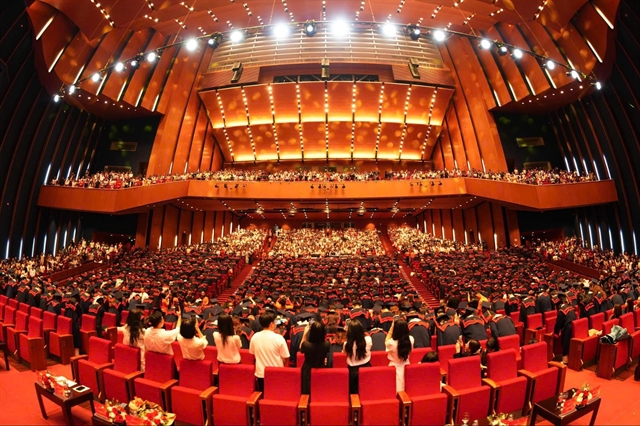
| The graduation ceremony at FPT Polytechnic College's Hà Nội campus organised at the Hà Nội National Convention Centre on May 21 and 22. Photos FPT Polytechnic College |
HÀ NỘI — A graduation ceremony at FPT Polytechnic College's Hà Nội campus drew tears from parents, students, and business guests alike this week, as more than 1,000 students completed their studies at an event held over two days at the Hà Nội National Convention Centre on May 21 and 22.
"I thought it would be an ordinary graduation ceremony, but when I witnessed thousands of students bowing their heads in gratitude to their parents, I was truly moved," one business guest said on the sidelines of the event.
The ceremony included a moment of silence across the hall as students performed a ritual of gratitude to their parents and teachers, accompanied by the song "Cảm ơn!" ("Thank You!"). Many parents wept. Senior business figures attending the ceremony, including chief executives and company representatives, said they had not expected to be moved by the occasion.
For FPT Polytechnic, the annual graduation ceremony is more than a diploma-presentation day. It has become a point of connection between families, the school, and businesses – a place where students are recognised not only for professional skills but for their broader development as young adults.
|
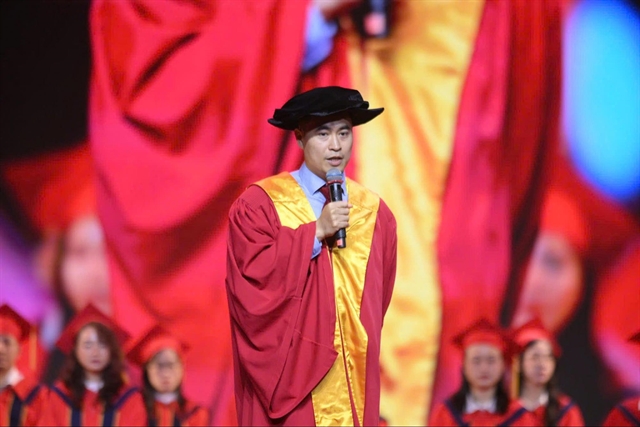
| Vũ Chí Thành, Principal of FPT Polytechnic College, notes that the model FPT Polytechnic is pursuing reflects a notable trend: the school is not merely imparting vocational skills, but striving to produce young people who are adaptable, work-ready and able to grow through real-world experience. |
A training model that businesses want to be part of from the start
In recent years, FPT Polytechnic has pursued a philosophy of practical learning and practical careers, placing emphasis on hands-on training, real-world projects, and exposure to a business environment while students are still studying. As a result, many companies now regard the college not merely as a source of graduates but as a genuine partner throughout the training process.
This year's event drew senior representatives from major companies in technology, telecommunications, tourism, services, and the hospitality sector – attending not simply as guests but as participants in the college's educational model.
One of the most closely followed presentations came from Lưu Thị Lê, Director of Hà Nội Centre No. 5 at the Global Technology and Telecommunications Corporation (GTEL), under the Ministry of Public Security. Rather than focusing on recruitment needs, she spoke about the practical experience of the college's students and GTEL's interest in deepening its involvement during the training process itself. She noted that more than 100 FPT Polytechnic alumni were now working across the organisation's member units, and that many have already moved beyond entry-level roles into management development and succession training programmes.
"What we appreciate about these graduates is their ability to adapt very quickly to a business environment. They are not reluctant to start with small tasks and they show considerable initiative in practical work. They demonstrate good soft skills alongside solid real-world experience," Lê said.
Misuhiro Ito, Senior Adviser at MRIV International and a research fellow of Mitsubishi Japan, spoke about what had impressed him most when working with Vietnamese people.
"Vietnamese people have a saying that I love very much: 'Cứ thử đi rồi sẽ biết' – just try it and you will find out," he said. He described this as a spirit that was both distinctive and highly practical. "The willingness to try and the absence of fear when starting something new is a great strength of young Vietnamese people."
Ito told the new graduates that the most important thing when entering the labour market was not to know everything, but to maintain a spirit of learning and a readiness to embrace new experiences. "I am fond of the familiar Vietnamese saying: 'Đi một ngày đàng, học một sàng khôn' – travel one day's road and gain a basket of wisdom. The time ahead for these new graduates will be a journey filled with many experiences, both in life and in the workplace. It is those very experiences that will help you grow a little more each day. And with the foundation laid by your families and your school, I believe you will achieve much success in the future," he said.
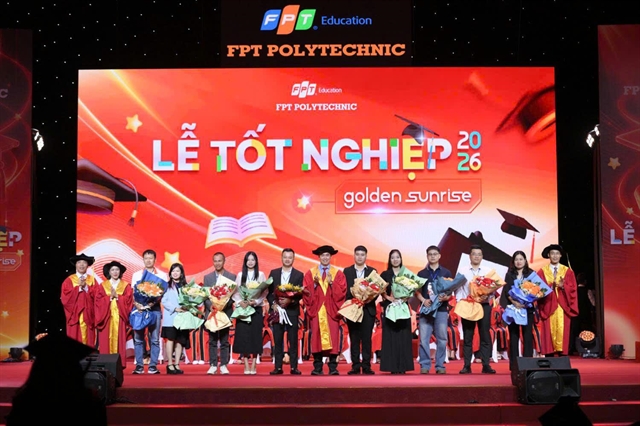
|
| The graduation ceremony at FPT Polytechnic College is also a space where young people are recognised not only for their vocational skills but for their journey of personal growth. |
When a graduation is more than a diploma day
Some parents wept when they saw their children bow in thanks; many students said they had never felt the distance between studying and working so narrow; and many businesses said they had not expected a vocational graduation ceremony to be so emotionally rich – with songs, music, and small but meaningful gestures – before quietly, or openly, affirming their readiness to continue co-operating with the college.
Vũ Chí Thành, Rector of FPT Polytechnic College, said: "That is precisely what makes the graduation ceremony at FPT Polytechnic special – across the country as a whole, and particularly at the Hà Nội campus. The event does not try to become an overly glamorous production, but focuses instead on creating the feeling that every student is truly acknowledged at this milestone in their young lives. That, too, is the foundation that will allow them to step confidently into their own futures."
In the context of vocational education moving more closely towards labour market needs and real-world experience, the model FPT Polytechnic is pursuing points to a broader trend: the college is not only training professional skills, but actively working to develop young people with the capacity to adapt, the readiness to work, and the ability to grow through genuine experience. — VNS
bizhub
 bizhub
 bizhub
 bizhub
 bizhub
 bizhub
.jpg) bizhub
bizhub
BIDV and Gaw Capital Partners sign a strategic deal in Hong Kong to expand investment cooperation across Việt Nam’s infrastructure, logistics and real estate sectors.
 bizhub
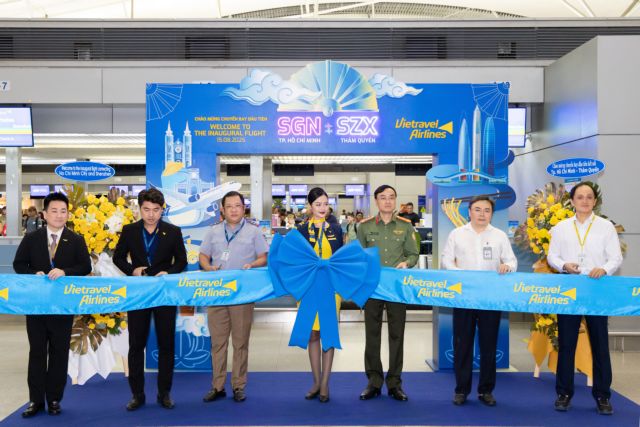
The aircraft, registered VN-A138, was flown to Việt Nam by the airline’s crew and landed at Nội Bài International Airport.
 bizhub
Standard Chartered Bank has been awarded Best Retail Bank Vietnam for 2026 at the 17th Annual Retail Banker International (RBI) Asia Trailblazer Awards, marking the fifth consecutive year the bank has received this recognition.
 bizhub
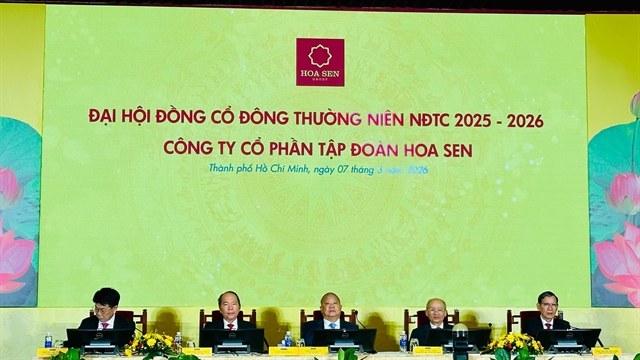
The plan was presented at the company’s annual general meeting of shareholders held on Saturday.
 bizhub
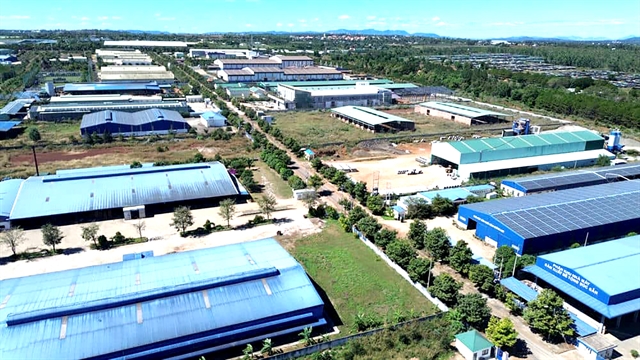
The electric motorbike manufacturing plant, located in Tân Hưng Industrial Park, represents the first phase of the company’s investment and forms part of its broader expansion in Southeast Asia.
 bizhub
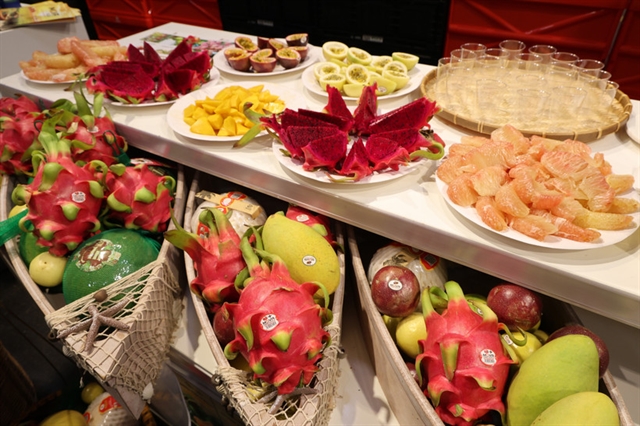
Vietnamese Ambassador to Germany Nguyễn Đắc Thành said the event, held close to Việt Nam’s Lunar New Year, helped promote Vietnamese tropical fruits while introducing Vietnamese cultural values to German consumers, and creating opportunities for Vietnamese businesses to connect directly with German importers.
 bizhub
Toyota Motor Vietnam (TMV) reported strong sales growth in January 2026, delivering 4,852 vehicles, a 45 per cent increase year on year, bringing its cumulative sales in the country to 1,047,389 units after more than three decades of operations.
 bizhub
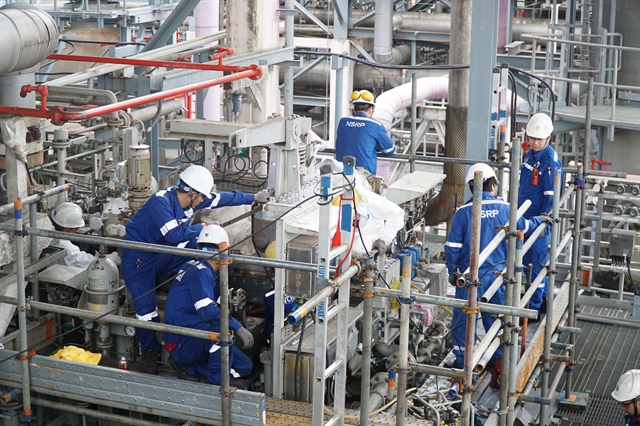
The company closed 2025 with estimated revenue of VNĐ188 trillion (US$7.2 billon) and contributed over VNĐ23 trillion to the State budget.
 bizhub
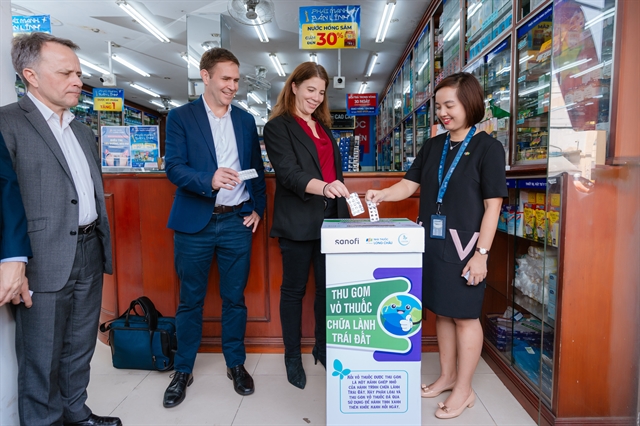
The project seeks to raise public awareness about waste sorting at source while providing a solution for collecting and recycling used blister packs to alleviate the environmental burden.