 Travel

Deputy PM urges stronger commercialisation of sci-tech research
1.
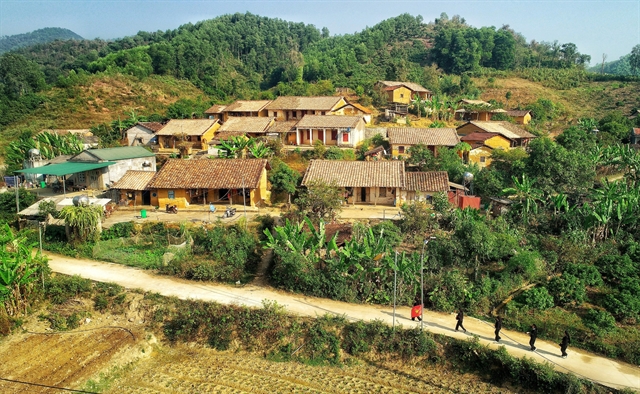 |
| The village has 17 ancient houses. — VNA/VNS Photo |
Nestled in the mountains, Bắc Hoa Village in Tân Sơn Commune, Bắc Ninh Province, is gradually transforming from an agricultural settlement into a community-based tourism destination with a strong cultural identity.
With its cluster of well-preserved ancient houses where Nùng people still live in a traditional manner, and supported by local authorities, researchers and businesses, Bắc Hoa is poised to become a highlight of the province’s cultural and ecological tourism.
A long-time home of the Nùng community, Bắc Hoa preserves customs, traditions and living spaces shaped over generations by tradition. The village has 160 households in total, about 17 of these ancient-house households have been designated as the core area for community tourism.
These traditional earthen-walled homes with yin‑yang tiled roofs are characteristic of the Nùng and remain closely tied to family life and agricultural activity.
Many families in the ancient-house area continue traditional lifestyles, wear ethnic costumes daily and are prepared to welcome and interact with visitors. Folk art clubs - especially those preserving Nùng folk singing - operate regularly, forming an important element in introducing local culture.
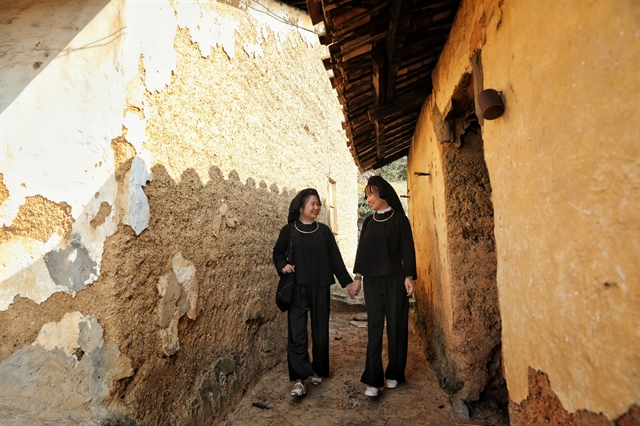 |
| The traditional earthen-walled houses with yin-yang tiled roofs of the Nùng ethnic group in Bắc Hoa Village are still intact. — VNA/VNS Photo |
“Bắc Hoa has a great advantage in its ancient-house architecture and the cultural identity of the Nùng,” said Vi Văn An, Chairman of the Tân Sơn Commune People’s Committee.
“The commune aims to develop community tourism linked to preservation so residents can both maintain traditional ways of life and earn additional income from tourism.”
An said the greatest challenges are relocating and reorganising some households to protect the ancient houses according to the plan while investing in transportation, improving the landscape, and creating community spaces for visitors.
The commune is drafting a comprehensive plan and seeking higher-level investment to address these needs gradually.
Bắc Hoa’s emergence as a cultural tourism destination was not accidental. The Nùng ethnic cultural tourism village was developed through a provincial scientific research project led by the Bắc Giang Tourism Information and Promotion Centre.
Lưu Xuân San, former director of that centre and the project leader, said the study evaluated the Nùng people’s tangible and intangible cultural values, natural conditions, landscape, and community capacity for tourism participation.
“Bắc Hoa has a complete set of elements for community-based tourism - from traditional homes and folk culture to handicrafts and agricultural scenery," San said.
"The key is sustainable development with the community at its centre.”
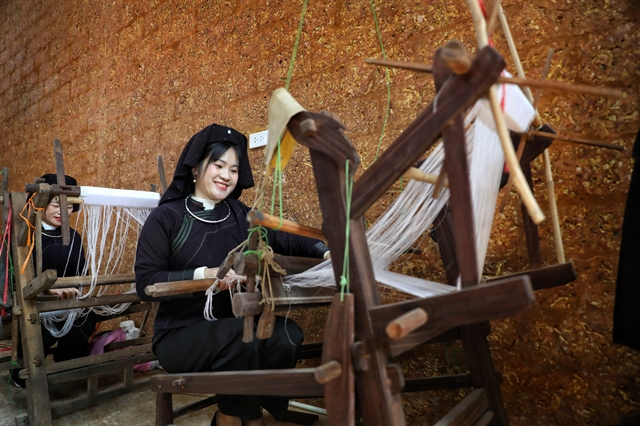 |
| Hand-weaving brocade is one of the cultural features of Bắc Hoa Villagers. — VNA/VNS Photo |
The team organised community-tourism training, taught folk songs and traditional brocade weaving, produced promotional materials and installed signposts directing visitors to Bắc Hoa. These activities have helped preserve cultural values while raising residents’ awareness and tourism skills.
San emphasised that community tourism in Bắc Hoa should align with the locality’s broader socio-economic development, including new rural construction and ethnic cultural preservation.
Beyond government and researchers, tourism businesses are critical for connecting Bắc Hoa to the market. Experiential and community-based tourism increasingly attracts both domestic and international travelers, particularly destinations that retain authentic cultural identity.
“Bắc Hoa has great potential for unique tourism products,” said Khúc Thị Nga, Deputy Director of An Phú Trade and Tourism Co-operative.
“Its strengths are ancient houses and a living Nùng cultural life. Visitors can stay with villagers, hear folk songs, taste traditional cuisine and try agricultural work.”
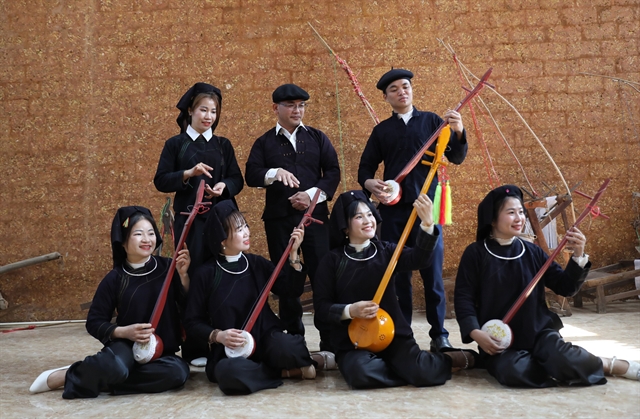 |
| Folk art clubs, especially Nùng folk singing, are regularly maintained and have become an important highlight in showcasing local culture in Bắc Hoa Village. — VNA/VNS Photo |
Nga added that if infrastructure is improved, homestay services standardised, and experiential tours developed around cultural identity, businesses are ready to include Bắc Hoa in regional tourism routes. This would increase visitation and create a stable market for locally produced community-tourism offerings.
Developing tourism can bring new income while enhancing spiritual life and strengthening the Nùng people’s cultural pride. If pursued sustainably, Bắc Hoa could become a model of community-based tourism linked to ethnic cultural preservation and make a lasting positive contribution to the province’s tourism landscape. — VNS
Nùng Ethnic Group
Self-designation: Nồng
Local groups: Nùng Giang, Nùng Xuồng, Nùng An, Nùng Inh, Nùng Lòi, Nùng Cháo, Nùng Phàn Slình, Nùng Quy Rịn, Nùng Dín
Population: About 1 million
Language: Nùng belongs to the Tày - Thái group and is the same to the Zhuang language in China.
Travel
 Travel
 Travel
 Travel
 Travel
 Travel
 Travel
 Travel
 Travel
 Travel
 Travel
 Travel
 Travel
 Travel
 Travel