 Inner Sanctum

Drive to Great: BAIC FOTON Africa Partners Conference Set to Open
1.
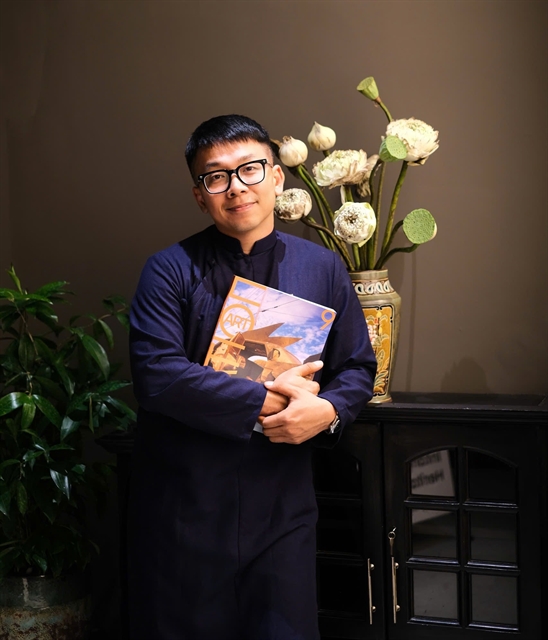 |
| Lê Nhật Thanh, a founding member and CEO of the Phở Museum, said the museum preserves and showcases phở’s century-long journey from humble street stalls to dining tables around the world. — Photo courtesy of the Phở Museum |
From a humble street-side dish to a global culinary icon, phở has become one of Việt Nam’s most recognisable cultural ambassadors. The Phở Museum in Hồ Chí Minh City, the country’s first private culinary museum, offers visitors a chance to explore the history, heritage and enduring appeal of the beloved noodle soup. Lê Nhật Thanh, a founding member and CEO of the museum, speaks to Inner Sanctum about bringing that story to life.
Inner Sanctum: As the first private culinary museum in Việt Nam dedicated specifically to a national dish, the Phở Museum has gained immense attention from both domestic and international visitors. Could you share with us the idea behind the establishment of the museum?
The idea of establishing the museum came more than 10 years ago. It was inspired by a visit to the Ramen Museum in Yokohama, Japan, which encouraged the museum's founders to create a museum dedicated to Vietnamese phở and help place the dish in its rightful position on the global cuisine map.
Inner Sanctum: To bring the idea of the Phở Museum into reality, what challenges did your team face, particularly when operating under such a unique model?
When a museum is dedicated to an intangible cultural heritage element (phở), it comes with many challenges. However, this is also an advantage, as the Phở Museum is currently the first private culinary museum in Việt Nam, with no direct competitors.
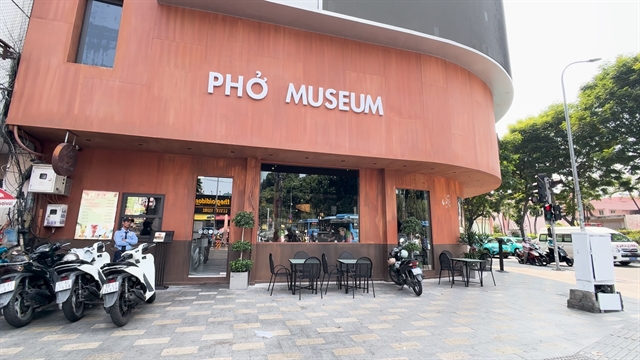 |
| The Phở Museum is a tourism destination offering unique cultural and culinary experiences for domestic and foreign visitors in downtown HCM City's Bến Thành Ward. — VNS Photo Hồng Linh |
To create the country's first culinary museum, our development team faced challenges ranging from licence registration to collecting artefacts and creating the overall narrative for the museum.
In particular, the artefact collection process was difficult, as the journey of phở stretches across the North, Central and South, leading our team on a journey across Việt Nam.
Throughout this journey, we had to meet and interview artisans and experts in the craft of phở to find artefacts and uncover the stories behind them.
There are many wonderful stories passed down from elder artisans to their children and grandchildren.
We want to retell these stories at the Phở Museum so that we can introduce them to younger and future generations.
For instance, when we mentioned phở from the former province of Nam Định, one of the artisans shared a wonderful story about Hải Hậu salt. This type of salt creates the distinctive flavour for the dish. The story of making the salt is a long one, involving filtering and roasting to produce a salt with an astringent taste.
Inner Sanctum: How does the museum deliver the story of phở to visitors?
As the country's first private culinary museum, we chose to tell the story of phở in an accessible way through various forms such as interactive activities, artefact exhibitions and culinary experiences.
The museum changes its theme and artefact arrangement every six months. This ensures that visitors have a complete experience of the history of everyday cultural life, including the country's pre-modern period, the 1930s-1980s, and the rustic beauty of Vietnamese daily life through cuisine and the street culture. The museum showcases the value of taking a break from the hustle and bustle of modern daily life.
We hope this approach will be well received by the public, encouraging them to learn more about the heritage of phở.
Inner Sanctum: Currently, how are international and domestic visitors responding to the museum?
Foreign visitors love the story that the museum tells, as this is the first culinary museum in Việt Nam and the first Phở Museum in the world. In addition, over the past decade, phở has become known as one of the most delicious soups in the world, and international visitors are very fond of the flavour of Vietnamese phở.
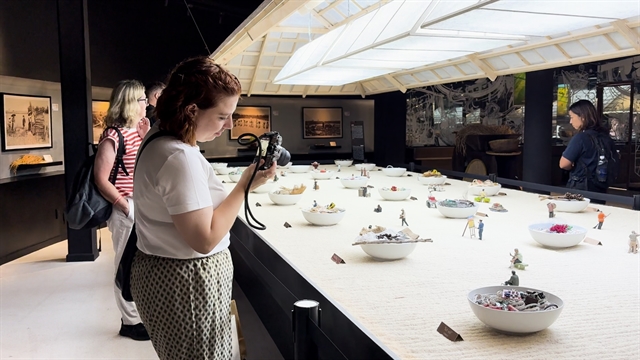 |
| The exhibition space at the Phở Museum displays hundreds of artefacts reflecting the history and culture behind the dish. — VNS Photo Hồng Linh |
For them, this is the first time they can hear the story of phở, from its origin and evolution alongside Vietnamese society to the secret behind the dish's unforgettable taste.
Our museum has also been chosen to host diplomatic delegations, as it explores themes of culture and heritage.
Meanwhile, for Vietnamese visitors, the space tells a compelling story about phở and brings a feeling of pride seeing our own story being told to international friends.
Inner Sanctum: Throughout the whole development process, has the museum received any support, and what are the museum's future development plans?
The museum's development team received support from artisans and local authorities to launch the museum within a short time, and it opened before the Lunar New Year in February this year.
Our team hopes that in the future we can expand our partnerships and link up with other museums to create special tourism programmes for international visitors to the city, allowing them to experience the refined beauty of the nation's culture and heritage.
The museum's team will also keep improving its offerings so that it can be even better received by the public. — VNS
Inner Sanctum
 Inner Sanctum
 Inner Sanctum
 Inner Sanctum
 Inner Sanctum
 Inner Sanctum
 Inner Sanctum
 Inner Sanctum
 Inner Sanctum
 Inner Sanctum
 Inner Sanctum
 Inner Sanctum
 Inner Sanctum
 Inner Sanctum
 Inner Sanctum