 Inner Sanctum
Top Vietnamese leader receives Denmark’s highest-ranked honour
1.
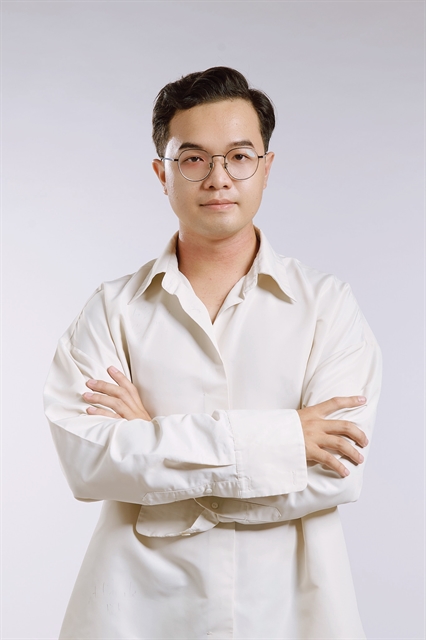
At a time when concerts, game shows and digital platforms dominate the entertainment landscape, musician and music director Dương Cầm was at the height of his visibility. Yet, instead of staying in that spotlight, he chose a different path: musical theatre in Việt Nam.
What began as a competition entry has since evolved into Giấc Mơ Chí Phèo (Chí Phèo’s Dream), a full-scale production staged at Hà Nội’s Hồ Gươm Theatre. In this week’s Inner Sanctum, he reflects with Huy Thông on that risky pivot, and his longer-term vision of building a musical theatre identity rooted in Vietnamese culture.
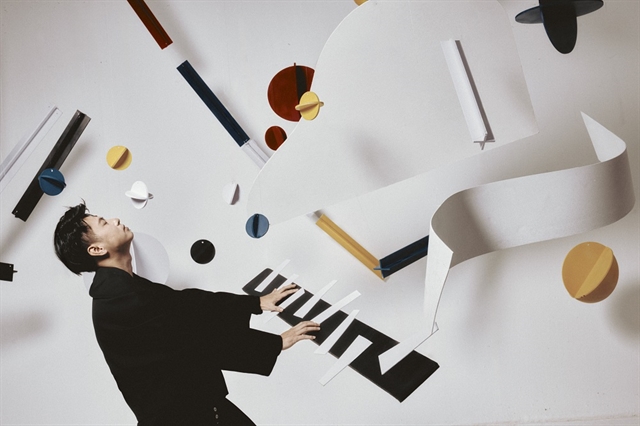 |
| Music director Dương Cầm, who is spearheading efforts to develop Vietnamese musical theatre identity. — Photos courtesy of the production team |
Inner Sanctum: What made you decide to bring Giấc Mơ Chí Phèo (Chí Phèo’s Dream) to the stage instead of leaving it as a competition piece?
Initially, it was indeed a competition project by Thăng Long Music and Dance Theatre, where I work. The theatre has previously brought award-winning productions to the public, such as Hà Nội xưa và nay (Hà Nội Then and Now) and Hà Nội, ngày, tháng, năm (Hà Nội, Day, Month, Year), which were both critically acclaimed and well received by audiences.
However, staging and marketing such productions is financially challenging for a state-run unit. Commercialising them often comes with considerable losses – something I fully understand.
As someone working between the state arts sector and the commercial music market, I’ve always wanted to find a balance. That was why Giấc Mơ Chí Phèo was brought beyond the scope of a competition, with investment from a private enterprise. The company took charge of operations, marketing and ticketing, allowing artists to focus on their work. I believe this is a model that could be expanded.
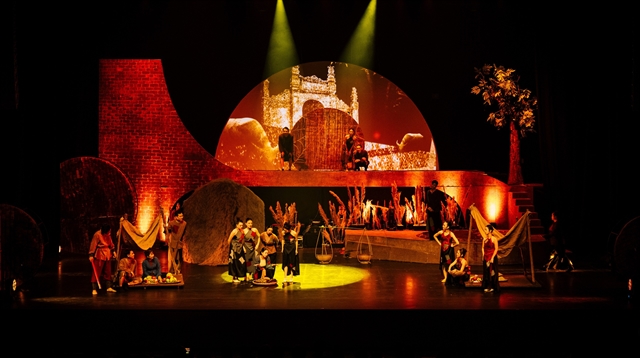 |
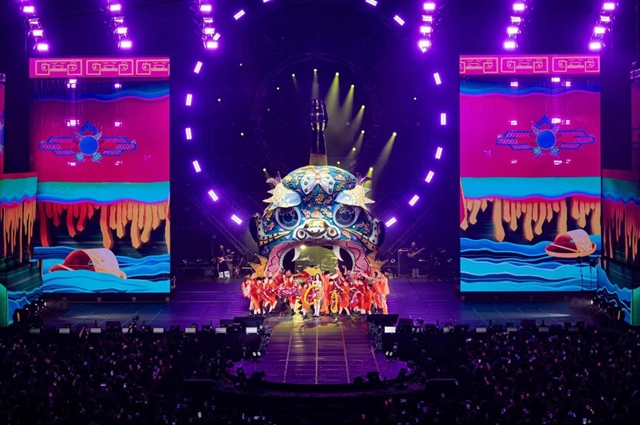
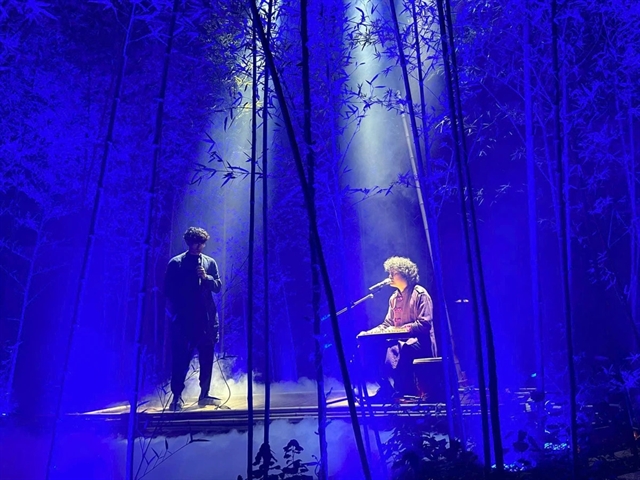
| A scene from Giấc Mơ Chí Phèo (Chí Phèo’s Dream), showcasing its blend of traditional storytelling and contemporary musical theatre staging. |
Inner Sanctum: How did you prepare for the risks of staging a Vietnamese musical at a nearly 1,000-seat venue like Hồ Gươm Theatre?
Musical theatre is still relatively unfamiliar in Việt Nam, so introducing the format to audiences was both essential and challenging. We had to communicate clearly how it differs from spoken drama or opera, and highlight its unique elements, including the level of investment in stage technology.
Choosing Hồ Gươm Theatre was a deliberate decision. It represents a significant investment and reflects the organiser’s respect for the production. With its modern facilities, advanced stage technology and central location, the venue allowed us to present the musical in the best possible way.
Inner Sanctum: What does being Vietnamese mean to you in the context of musical theatre?
To me, it goes beyond simply using cultural material. It is about how Vietnamese people tell their own stories.
The language of theatre, music, rhythm – even the way we approach tragedy or comedy – should stem from our cultural roots, our psychology and our history. It should not be a replication of Broadway or the West End.
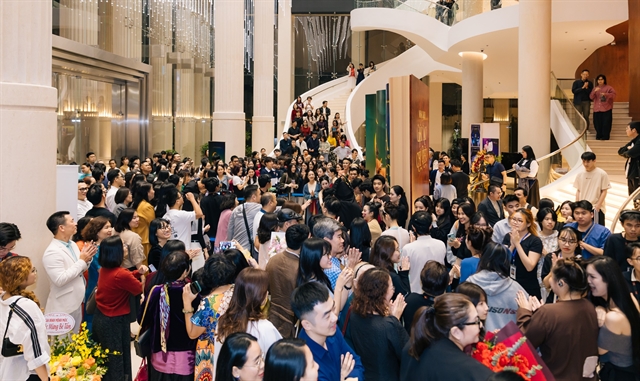 |
| Audiences gather at Hồ Gươm Theatre in Hà Nội to watch Giấc Mơ Chí Phèo (Chí Phèo’s Dream), which has drawn sold-out performances. |
Inner Sanctum: From a producer’s perspective, how much of a financial gamble is musical theatre in Việt Nam today?
It is very much a long-term investment. If a production only runs for around 10 performances, it is likely to incur losses.
A musical needs a stable performance schedule and venue. Only then can marketing costs be optimised and financial risks reduced.
But beyond finances, the greater challenge lies in sustaining the team’s motivation. Everyone involved needs to believe they are contributing to something larger – building a foundation, rather than simply producing a single show.
Inner Sanctum: You’ve expressed hopes that Giấc Mơ Chí Phèo could become a cultural product for tourists. What does it take for a Vietnamese musical to reach international audiences?
I believe there are three key challenges: the artistic quality must be strong; the story must be deeply rooted in local culture, yet carry universal values; and there must be a professional ecosystem for production and promotion.
We may not move quickly, but we can move with certainty.
Being different can be hard but if you choose to be different, then you must stay committed to that choice. The path may be slow, and at times, lonely. But if you go far enough, you will find others who share your vision. And at that point, the dream will no longer be yours alone. — VNS
Inner Sanctum
 Inner Sanctum
 Inner Sanctum
 Inner Sanctum
 Inner Sanctum
 Inner Sanctum
 Inner Sanctum
 Inner Sanctum
 Inner Sanctum
 Inner Sanctum
 Inner Sanctum
 Inner Sanctum
 Inner Sanctum
 Inner Sanctum
 Inner Sanctum