 Society

Prudential Singapore launches multi-generational protection plan to help caregivers manage families’ healthcare needs
1.
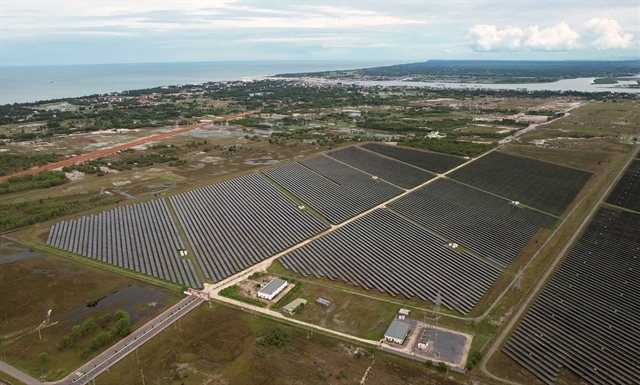 |
| Gio Thành 1 and Gio Thành 2 solar power plants have a combined capacity of 100MWp. — VNA/VNS Photos |
QUẢNG TRỊ — In August, red flags with yellow stars ripple across the central province of Quảng Trị as residents and visitors flock to historic 'red address' sites to mark the August Revolution and National Day.
Places once defined by battle and loss are being remade through labour, investment and a determination to turn wartime memories into a foundation for economic renewal.
From the Gianh to the Thạch Hãn rivers, waterways that were once hotspots of war now flow beside calmer daily life. The scars of conflict remain in memory and monuments, but they no longer define everyday rhythms.
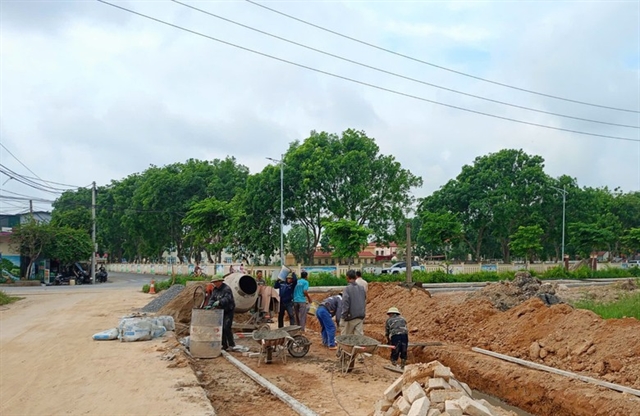
Instead, the hum of construction machines replaces the sounds of artillery: dredgers at work in the river, excavators shaping new revetments and crews building storm shelters and harbours that aim to protect livelihoods and spur growth.
South of the Gianh River, Bắc Trạch Commune, once known as the 'steel rampart south of the Gianh', has quietly transformed. Recognised by the State as a Hero Unit of the People’s Armed Forces for its role in the fight against the US, it was the first commune in Quảng Bình to meet new countryside model standards.
Today, Bắc Trạch is not a monument to the past alone, but a working landscape. Formed by merging four former communes, it has expanded its territory and economic horizons to include agriculture, forestry, marine economy, trade, services and coastal tourism.
Bắc Trạch has reported recent average annual production growth of about 6.5 per cent. In the first half of 2026, the commune’s gross product rose 7.46 per cent, trade and tourism brought in around VNĐ300 billion (US$11.5 million) and per capita income reached roughly VNĐ73 million a year. Local officials say the poverty rate has fallen below 2 per cent and thousands of jobs have been created, including hundreds who have sought work abroad.
Deputy Chairman of the Bắc Trạch People's Committee Trần Hải said the commune is pursuing a growth model centred on high‑tech agriculture, sustainable fisheries and digitised trade and services. Coastal zones such as Đá Nhảy are being positioned for cultural and community‑based tourism.
Economic indicators rise
On the north bank, Bắc Gianh Ward, created by merging several former wards in nearby Ba Đồn, is undergoing urban transformation, as construction is underway on a storm shelter anchorage for fishing vessels.
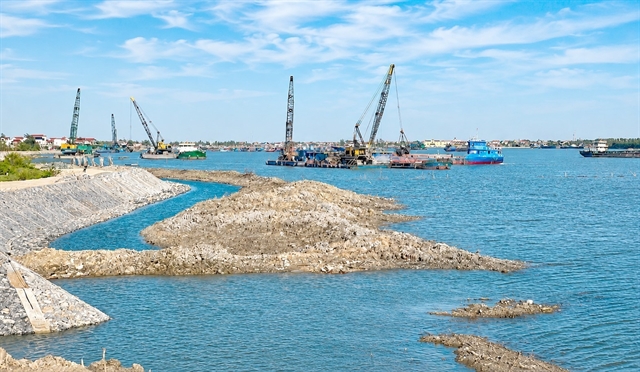 |
| Construction on a storm shelter anchorage for fishing vessels in Bắc Gianh Ward is being fast‑tracked. |
Worth nearly VNĐ350 billion and funded by the central budget, the project is designed to shelter 800 to 1,000 vessels and is about 60 per cent complete. For coastal fishermen, the anchorage promises safe haven from storms and a practical boost to the marine economy.
In the first half of 2026, retail and service revenue exceeded VNĐ705 billion, industrial and handicraft output rose, and budget receipts jumped sharply as new businesses and urban projects mobilised funds.
The reopened Gianh Ferry Terminal, a national special relic, has become a focal point for heritage tourism, drawing some 55,000 visitors since its renovation. Heritage sites draw visitors and foster local pride, while improved roads, quays and public squares lay the groundwork for commerce and encourage longer visits, said Nguyễn Văn Tình, chairman of the Bắc Gianh Ward People's Committee.
Meanwhile, Hậu Kiên Village, the birthplace of former general secretary Lê Duẩn, still carries stories of the leader in residents’ memories. The village today is no longer the poor, struggling place it once was.
Its per capita income sits at around VNĐ58 million a year, and the rate of poor households has fallen under 3 per cent. Traditional crafts and food products, including regional specialties, are being commercialised and marketed beyond the commune.
A restoration and enhancement project for Lê Duẩn’s memorial, completed in 2025 with an investment of VNĐ45 billion, has bolstered the site’s role as a place of patriotic education and as an anchor for pilgrimage tourism.
Chairman Đặng Sỹ Dũng of the Triệu Phong Commune's People's Committee said the commune reported total production across sectors of more than VNĐ2 billion along with rising incomes in 2025.
Output grew at double‑digit rates in the first half of 2026 compared with last year.
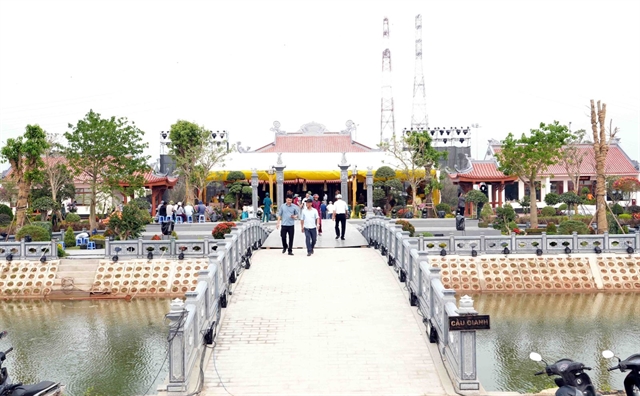 |
| The newly rebuilt Gianh Ferry Terminal, a spiritual tourism destination in Quảng Trị Province. |
The local economy is changing, as roughly half of economic activity now comes from trade and services, about 40 per cent from industry and construction, and the rest from agriculture, forestry and fisheries.
Social measures have moved forward alongside this shift, with almost everyone having access to clean water, high rate of health insurance coverage and an increasing number of schools meeting national standards.
The merger of Quảng Bình and Quảng Trị opens wider development space linking coast, forests, plains and heritage, but turning geography into prosperity requires organised resources and sustainable local jobs to encourage young people to stay.
Eighty-one years after the August uprising, the Gianh and Thạch Hãn rivers ring with the hum of dredgers, returning fishing boats and new activity instead of bombs. Memorials keep the past alive while fields, factories and ports on the riverbanks shape a thriving future. — VNS
Society
 Society
 Society
 Society
 Society
 Society
 Society
 Society
 Society
 Society
 Society
 Society
 Society
 Society
 Society