 Society
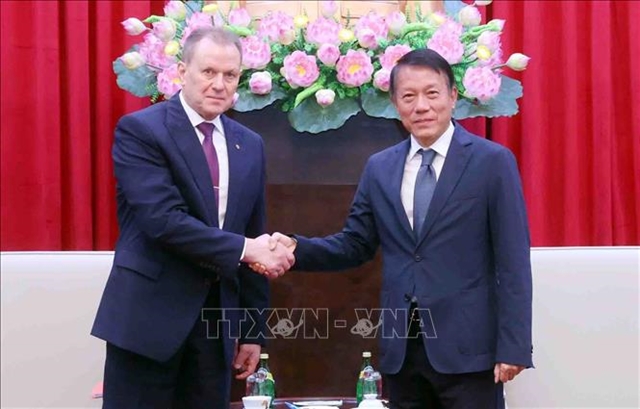
Việt Nam, Russia step up cooperation in criminal sentence enforcement
1.
.jpg)
|
| The Sydney Harbour. — VNS Photo |
SYDNEY — Australia will continue with preferential visa application fees for citizens of ASEAN member states, including Việt Nam, underscoring its strategy of attracting students and skilled talent from the region.
Under new regulations that took effect on July 1, the application fee for a student visa (subclass 500) rose to AUD2,500 (about US$1,729) from AUD2,000. Applicants from ASEAN countries, including Việt Nam, however will pay a discounted AUD2,050, an increase of just AUD50 from the previous rate.
The differentiated fee structure signals that Australia continues to treat ASEAN as a priority in its international education strategy, with Việt Nam as an important market that has shown a steady rise in student numbers, according to observers.
Gina Nguyen, admissions manager at SET Education’s Sydney office, said the increase for Vietnamese applicants is minimal compared with the broader fee hike and represents a clear concession.
Vietnamese students in Australia have consistently been recognised for strong academic performance, high course completion rates and positive contributions to both the local education sector and labour market. The revised fee policy is expected to help Việt Nam keep its competitive position among regional markets while making Australian education more accessible to Vietnamese students.
At a recent meeting between the ASEAN Committee in Canberra and Australian Minister for Home Affairs Tony Burke, Vietnamese Ambassador Phạm Hùng Tâm, who chairs the committee, proposed extending the duration for the post-graduation work visa for international master’s graduates from two years to three years.
Việt Nam also proposed that Australia introduce transit visa exemptions for Vietnamese citizens, similar to those already available to nationals of several other ASEAN countries.
Burke acknowledged the proposals and affirmed that Australia attaches importance to its relationship with Southeast Asian nations and looks to expand cooperation in education and skilled labour mobility. — VNA/VNS
Society
 Society
 Society
 Society
 Society
 Society
 Society
 Society
 Society
 Society
 Society
 Society
 Society
 Society
 Society