 Society
Data centre market faces energy challenges
1.
|
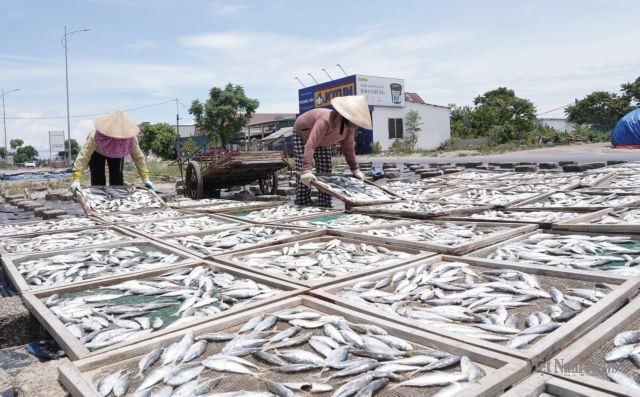
| Steamed mackerel processing, one of Quảng Trị Province's traditional trades, has provided employment for hundreds of workers. — VNA/VNS Photo |
QUẢNG TRỊ — Under the sweltering June sun and the relentless hot, dry winds sweeping across central Việt Nam, the coastal town of Cửa Việt in Quảng Trị Province enters its busiest season for one of its most enduring traditional trades – steamed mackerel processing.
As temperatures soar, workers at fish-steaming facilities toil for hours beside blazing furnaces and clouds of steam, starting before dawn and often continuing until late afternoon. Beads of sweat fall beside the glowing ovens, while trays of freshly steamed fish blanket open drying grounds under the sun. This is a familiar sight that not only preserves a local tradition but also generates jobs and adds value to the region’s seafood resources.
At the fish-steaming facility owned by Phan Văn Trọng in Long Hà 2 Village, Cửa Việt Commune, the peak summer months are also the busiest time of the year.
The trade depends heavily on favourable weather conditions and is therefore concentrated during the hottest months, when sunshine allows fish to be processed and dried efficiently.
During the summer high season, Trọng’s family business processes around three tonnes of mackerel each day. On average, the facility produces and sells about 100 tonnes of steamed fish annually, supplying traders across Việt Nam and exporting to China.
To maintain production under extreme heat, the facility provides on-site rest and dining areas for workers, while also supplying protective clothing, gloves and sun-protection equipment to help ease the harsh working conditions.
“Summer is our busiest period,” Trọng said.
“Workers spend long hours beside high-temperature steaming ovens, so we always pay close attention to their working conditions, arrange suitable rest breaks and provide drinking water and meals to ensure their health.”
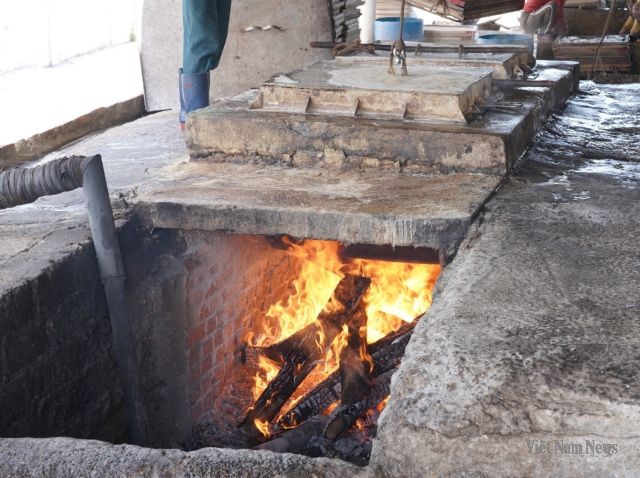
|
| Workers spend long hours beside high-temperature steaming ovens at fish-steaming facilities in the coastal town of Cửa Việt in Quảng Trị Province. — VNA/VNS Photo |
Although the industry faces challenges from fluctuating fish supplies and weather conditions, fish steaming remains an important source of income for many local families, helping them support household expenses and their children’s education.
Fresh mackerel purchased directly from fishing vessels is first cleaned and prepared before being steamed at high temperatures. Once cooked, the fish is laid out under direct sunlight to dry, then processed, packaged and distributed to markets both within and outside the province.
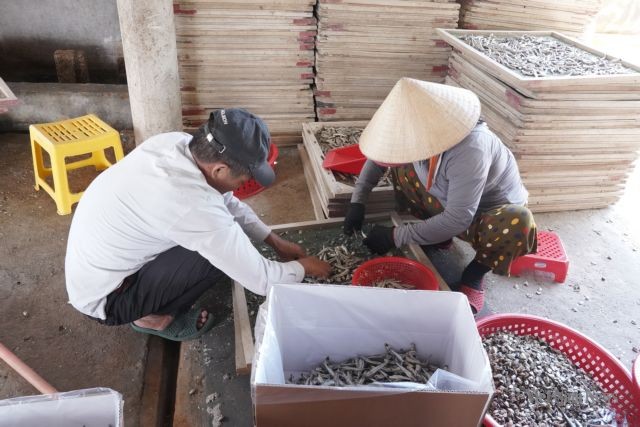
|
| Finished products sell for between VNĐ45,000 and VNĐ60,000 ($1.76-2.3) per kilogramme. — VNA/VNS Photo |
Finished products sell for between VNĐ45,000 and VNĐ60,000 ($1.76-2.30) per kilogramme, depending on quality and type. Thanks to its distinctive flavour, Cửa Việt steamed mackerel has become increasingly popular among consumers.
Amid the intense heat of the central region, the glowing furnaces continue to burn day after day, helping preserve a traditional occupation while bringing the taste of Cửa Việt’s sea to markets across the country.
Nguyễn Thị Hà, a resident of Long Hà Village, said facilities must light their furnaces from early morning and work continuously to ensure fish can be dried and processed in time.
A typical day of fish-steaming work earns labourers around VNĐ300,000 ($11.70). While the income is modest, it remains the primary source of livelihood for many families.
“Working beside the ovens on hot days is extremely demanding because of the heat from both the furnaces and the weather outside,” Hà said.
“But we continue because we need the income to support our families.”
Wiping sweat from her face while pushing a cart of freshly steamed fish toward the drying grounds, 43-year-old Phan Thị Thân from Lâm Xuân Village said workers are constantly exposed to heat and the strong smell of fish, particularly during the hottest days of summer.
“Despite the hardships, this is a traditional trade that many families depend on,” she said.
“Income can fluctuate, but we continue because it is an important source of livelihood. We only hope for stable fish supplies, favourable weather and reliable markets so that we can continue earning a living from this profession.”
According to the Cửa Việt Commune People’s Committee, the locality currently has 45 fish-steaming facilities operating for an average of eight months each year.
Each facility employs around 10 to 15 workers, with daily wages ranging from VNĐ300,000 to VNĐ350,000.
Collectively, the commune supplies approximately 15,000 tonnes of processed fish products to markets nationwide each year, with most shipments destined for northern provinces and export markets in China.
Over the years, fish steaming has become an effective economic activity for coastal residents in Cửa Việt, creating jobs, generating stable incomes and helping fishermen find markets for their catches.
Lê Văn Thông, chairman of the Cửa Việt Commune People’s Committee, said the trade has developed over many years into one of the locality’s most important traditional occupations.
“Fish steaming not only helps absorb seafood caught by local fishermen, but also provides employment for hundreds of workers, especially women and older labourers,” he said.
In the coming years, local authorities will continue supporting residents in maintaining and expanding the traditional trade by improving production conditions, facilitating access to technology, ensuring environmental hygiene standards and promoting Cửa Việt steamed fish products to wider markets.
The goal, Thông said, is to strengthen market access and further enhance the value of one of Quảng Trị’s most distinctive coastal products. — VNS
Society
 Society
 Society
 Society
 Society
 Society
 Society
 Society
 Society
 Society
 Society
 Society
 Society
 Society
 Society