 Society

AI and EV Boom Draws $690 Million in Advanced Materials Investment Plans to Thailand
1.
 |
| The 2026 RSV Symposium in HCM City on June 20 was attended by leading respiratory and public health experts, who addressed the under-recognised burden of respiratory syncytial virus in older adults and discussed preventive strategies across the Asia-Pacific. — Photos Courtesy of the organisers |
HCM CITY — Healthcare systems across the Asia-Pacific region must prepare for a sharp rise in respiratory syncytial virus (RSV) infections among older adults as rapidly ageing populations threaten to place growing pressure on medical services, public health experts have warned.
More than 120 respiratory and public health specialists gathered in HCM City last Saturday for the 2026 RSV Symposium to discuss the often-overlooked burden of RSV among older adults and ways to strengthen prevention.
Organised by the Vietnam Association of Preventive Medicine, the event heard that, by 2050, between one in two and one in three people in the Asia-Pacific region would be aged 60 or older, bringing the elderly population to about 1.3 billion.
RSV is a leading cause of severe respiratory illness among older adults. Around 10 per cent of hospitalised elderly patients require intensive care, while studies suggest RSV-related hospitalisations can result in outcomes comparable to, or worse than, seasonal influenza.
Across Southeast Asia, including Việt Nam, Indonesia, Malaysia, the Philippines, and Thailand, people aged 60 and over face an estimated 30-32 per cent risk of developing an RSV-related acute respiratory infection over five years.
The challenge is particularly significant in Việt Nam, where 87.7 per cent of older people live with at least one chronic condition.
Experts said illnesses such as chronic obstructive pulmonary disease, asthma, diabetes, and cardiovascular disease increase the risk of severe RSV. The virus can also worsen existing conditions and trigger serious complications, including heart attacks and strokes.
Challenges in diagnosis and awareness
One of the biggest obstacles is that RSV in older adults remains under-recognised compared with infections in young children.
Symptoms are often non-specific and overlap with those of other respiratory illnesses. Co-infections, including COVID-19, can further complicate diagnosis.
Assoc. Prof. Đỗ Văn Dũng, senior lecturer and vice chairman of the Scientific and Training Council at University of Medicine and Pharmacy at HCM City, said the challenge lies not only in the disease itself but also in measuring its true impact.
"When awareness remains limited, data is fragmented, and diagnostic practices are inconsistent, RSV in older adults risks continuing to be underestimated despite its significant health impact."
High smoking rates across Southeast Asia also increase the risk of severe illness by weakening respiratory health among older populations.
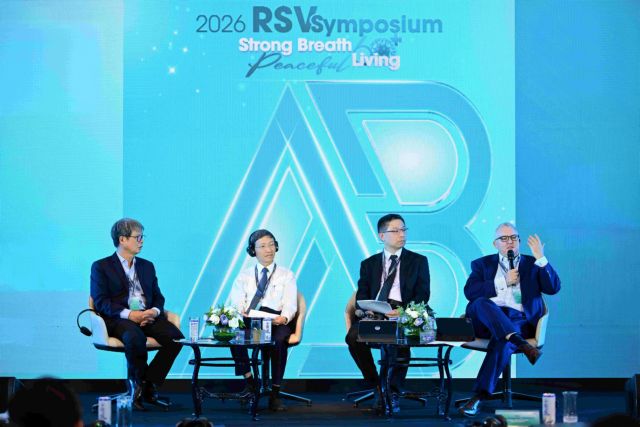 |
| Leading experts discuss strengthening RSV awareness and diagnostic practices in ageing populations at the 2026 RSV Symposium in HCM City on June 20. |
Prof. Wei Chih Chen, director of the division of respiratory therapy at Taipei Veterans General Hospital in Taiwan (China), said healthcare systems would need to cope with a growing burden of respiratory infections as populations age.
"For RSV, this means strengthening awareness, recognising high-risk individuals earlier, and moving towards more preventive approaches that can help reduce severe outcomes and pressure on healthcare systems."
The financial impact of RSV infections in older adults is already substantial.
In Australia, Japan, Singapore, and South Korea, RSV in older adults is linked to an estimated 778,000 hospitalisations and around US$2.8 billion in annual medical costs.
Experts said greater public awareness and the integration of RSV risk management into healthy ageing strategies would be crucial to protecting older adults and preserving healthcare capacity.
Prof. Phan Trọng Lân, president of the Vietnam Association of Preventive Medicine, said ageing populations are reshaping healthcare needs across the region, with more older adults living with chronic diseases and complex health risks.
He said RSV is far from a mild respiratory infection as it could worsen underlying conditions, lead to hospitalisation, and cause long-term functional decline.
"Healthy breathing is not only about healthy lungs. A peaceful life is not only about living longer. The ultimate goal of prevention is not only to avoid illness, but to help people maintain mobility, independence, and quality of life as they age."
Prof. Grant Waterer, professor of medicine at the University of Western Australia, said growing numbers of older adults would place increasing pressure on healthcare systems dealing with respiratory infections such as RSV.
"Experience from other countries shows that investing in community awareness, prevention and early risk management can help ease system burden while supporting older adults in maintaining their health and independence for longer." — VNS
Society
 Society
 Society
 Society
 Society
 Society
 Society
 Society
 Society
 Society
 Society
 Society
 Society
 Society
 Society