 Society

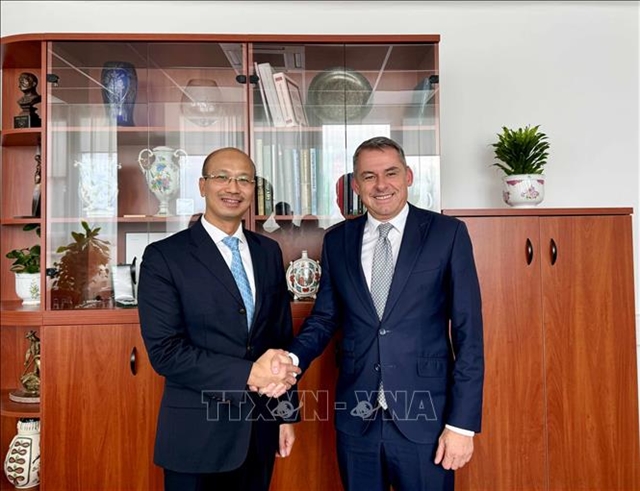
Top leader’s visit to open new chapter in Việt Nam–Denmark relations
1.

|
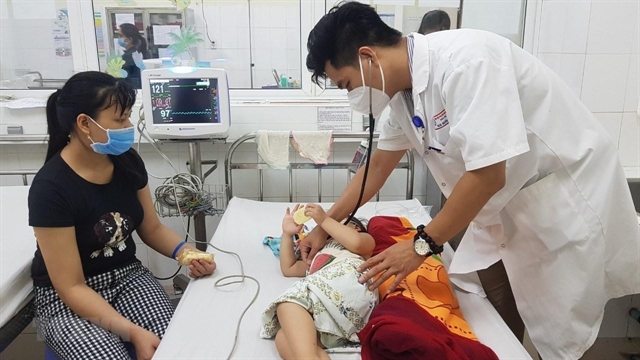
| Doctors at Thủ Đức General Hospital monitor and care for a patient following cardiac intervention. — Photo Courtesy of Thủ Đức General Hospital |
HCM CITY — Doctors at Thủ Đức General Hospital have successfully treated a series of critically ill patients with acute myocardial infarction, including cases complicated by cardiac arrest and ventricular fibrillation, with both carrying a high risk of death without rapid intervention.
The cases highlight the effectiveness of rapid coordination between frontline healthcare facilities and specialised hospitals in optimising the “golden time” for emergency treatment.
On March 11, a 61-year-old man was admitted to An Phú General Hospital with severe chest pain, shortness of breath and sweating.
He soon developed life-threatening arrhythmias and hypotension, and was diagnosed with acute myocardial infarction complicated by ventricular fibrillation (Killip IV).
After initial resuscitation, defibrillation and stabilisation, he was urgently transferred to Thủ Đức General Hospital, where doctors performed emergency coronary intervention to reopen the blocked artery.
His condition improved steadily, and he was discharged after one week.
A day later, another patient, a 54-year-old man, was admitted to Hoàn Mỹ Thủ Đức International General Hospital and suffered cardiac arrest due to ventricular fibrillation.
He was resuscitated after 10 minutes and transferred in critical condition.
At Thủ Đức General Hospital, doctors identified a complete blockage of the left anterior descending artery and successfully placed a stent within 30 minutes.
The patient regained consciousness within 24 hours and was discharged after seven days.
On March 18, a 55-year-old woman was treated at Lê Văn Việt Hospital for acute myocardial infarction before being transferred for emergency intervention.
The procedure restored blood flow effectively, and she is expected to be discharged within days.
Dr Lê Duy Lạc, head of the Cardiovascular Intensive Care Unit at Thủ Đức General Hospital, said acute myocardial infarction requires immediate treatment, as every minute of delay increases heart muscle damage and the risk of fatal complications.
He stressed that early diagnosis, timely initial care, rapid transfer and prompt activation of specialised intervention teams are key to improving survival and reducing complications.
Doctors also advise regular health check-ups to detect cardiovascular risks early. Anyone experiencing symptoms such as chest pain, shortness of breath or sweating should seek immediate medical attention, as delays can be life-threatening. — VNS
Society
 Society
 Society
 Society
 Society
 Society
 Society
 Society
 Society
 Society
 Society
 Society
 Society
 Society
 Society