 Society
PM orders urgent completion of decree on petroleum trading by November 10
1.
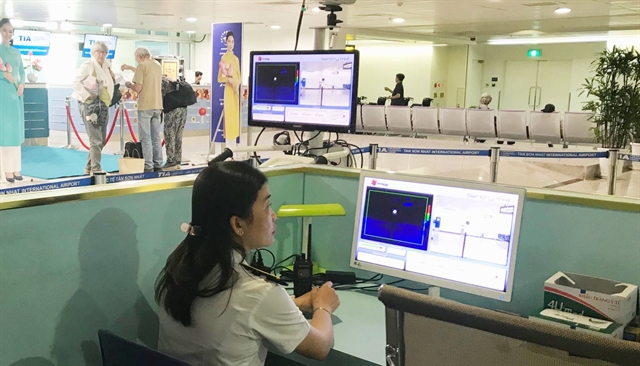 |
| The health sector has stepped up disease surveillance at Tân Sơn Nhất International Airport in HCM City. — VNA/VNS Photo |
HCM CITY — HCM City has strengthened disease surveillance and preparedness measures to guard against the possible importation of the Nipah virus, local health authorities said on Wednesday, while confirming that no cases have been detected in the city.
The municipal Department of Health said it had convened an urgent meeting with infectious disease specialists to assess epidemiological risks, review response capacity and update prevention and control plans, following reports of recent Nipah infections in India.
According to assessments by the Oxford University Clinical Research Unit (OUCRU) and the Hospital for Tropical Diseases in HCM City, there is no evidence of Nipah virus circulation in the city or southern Việt Nam.
Studies conducted between 1996 and 2018 on patients with encephalitis, including research using advanced techniques such as PCR, metagenomics and genetic sequencing, did not detect the virus.
Nguyễn Văn Vĩnh Châu, deputy director of the municipal Department of Health, said the risk of a local outbreak remained low, but warned that the possibility of virus importation could not be ruled out amid rising international travel.
“To date, HCM City has not recorded any Nipah cases. However, vigilance is required as cross-border travel and exchanges continue to increase,” he said.
As part of precautionary measures, health authorities have intensified medical surveillance at the busy Tân Sơn Nhất International Airport, focusing on passengers arriving from or transiting through areas where Nipah infections have been reported.
Travellers showing fever or abnormal respiratory or neurological symptoms will be referred to the Hospital for Tropical Diseases for monitoring and treatment in accordance with regulations.
Hospitals and medical facilities across the city have been instructed to strengthen infection prevention and control measures, ensure adequate personal protective equipment for healthcare workers, and pay close attention to cases of acute encephalitis of unknown cause.
Suspected cases must be promptly reported and referred for specialist consultation to avoid missing infections.
The Department of Health also advised people returning from affected areas to monitor their health for at least 14 days after entry and seek medical attention immediately if symptoms such as fever, headache, cough, breathing difficulties or changes in consciousness occur.
Travellers to areas with reported Nipah infections were urged to avoid contact with fruit bats, pigs and sick animals, and to refrain from consuming potentially contaminated food or beverages.
The Nipah virus, first identified in Malaysia in 1999, is a zoonotic disease that can spread from animals to humans, primarily through fruit bats, pigs or direct contact with bodily fluids of infected patients.
Health authorities said the virus does not spread through the air. The World Health Organization classifies Nipah as a high-risk pathogen, with fatality rates among hospitalised patients ranging from 40 to 75 per cent.
There is currently no approved vaccine or specific treatment.
International disease surveillance reports indicate that India recorded two confirmed Nipah infections among healthcare workers in West Bengal between late December 2025 and late January 2026. The cases were linked to exposure to a severely ill patient who later died and was not tested for the virus.
HCM City health authorities called on the public to follow official information and remain calm, stressing that preventive measures are being implemented in line with the current level of risk. — VNS
Society
 Society
 Society
 Society
 Society
 Society
 Society
 Society
 Society
 Society
 Society
 Society
 Society
 Society
 Society