 Society

Lotte, Phát Đạt combine strengths in Thu Thiem project
1.
|
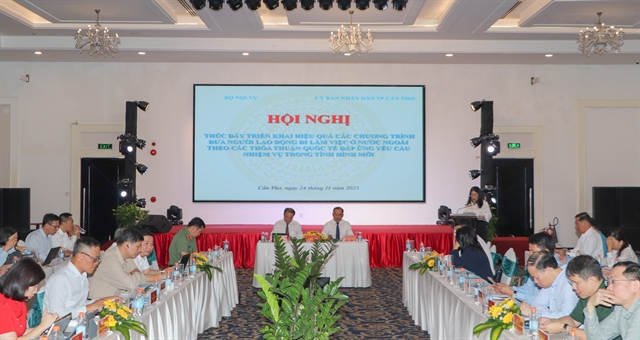
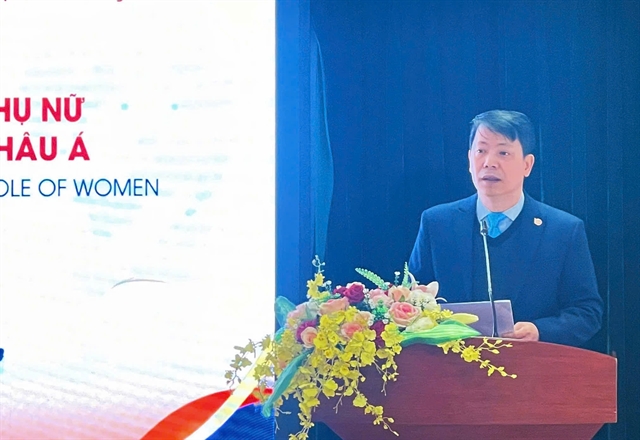
| A conference on overseas employment programmes for Vietnamese workers is held by the Ministry of Home Affairs and Cần Thơ City's People's Committee on Monday. — VNA/VNS Photo |
CẦN THƠ — Labour mobility programmes serve as a model of ‘human resource circulation', enabling workers to not only increase their family incomes but also improve their skills to contribute to their homeland when they return.
This was the topic of discussion at a conference in the southern city of Cần Thơ on Monday. Held by the city’s authorities and the Ministry of Home Affairs, the event focused on the effectiveness of overseas employment programmes for Vietnamese workers under international agreements.
Speaking at the conference, Deputy Minister of Home Affairs Vũ Chiến Thắng said that these programmes not only bring socio-economic values but also serve as an important channel for implementing major Party and State guidelines on international integration, human resources development, and diplomacy.
In recent years, non-profit labour mobility programmes run by the Centre of Overseas Labour have sent approximately 155,000 workers abroad, contributing remittances worth an estimated VNĐ17 trillion (US$645 million).
These programmes also played an important role in poverty reduction and social welfare, particularly for underprivileged communities and discharged servicemen.
Ngô Thị Út Luân, who previously participated in the Employment Permit System (EPS) programme between Việt Nam and the Republic of Korea, told the conference that this opportunity to work abroad in 2008 was a turning point for her. She grew up in a poor family in Thanh Hóa Province.
After returning to Việt Nam in 2019, she co-founded a company distributing Korean cosmetics and supplements, creating stable jobs for nearly 20 employees.
|
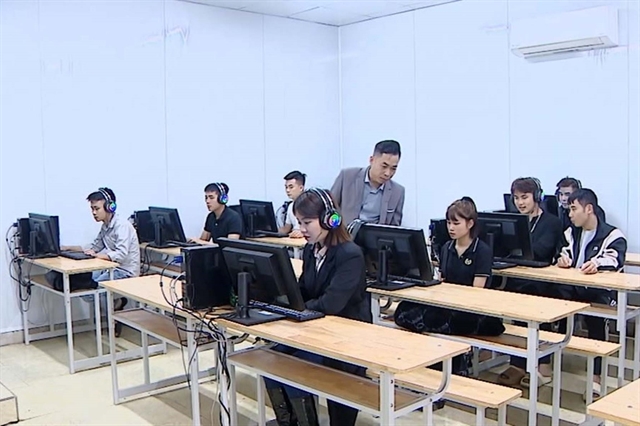
| A language class in Thanh Hóa Province prepares workers for overseas employment in the Republic of Korea. — VNA/VNS Photo |
However, non-profit labour mobility programmes see many challenges today, with lower participation rates than expected due to insufficient awareness about non-profit labour mobility programmes, compared to other overseas employment opportunities.
Meanwhile, job placement for discharged military and police personnel through these programmes still remains largely untapped potential, requiring more comprehensive and effective solutions, he said.
The official also noted the bottlenecks in seasonal labour programmes, including workers not complying with contracts or not being able to adapt to the working conditions abroad.
“If these shortcomings are not addressed promptly, they will directly affect the reputation and image of Vietnamese workers, localities and overseas labour programmes under international agreements,” Thắng stressed.
He highlighted the approaches of a ‘human resource circulation’ model and ‘human resource diplomacy’, in addition to digital transformation and innovation across the entire process.
Overseas labour deployment must be linked with local economic development and international integration strategies through improved policies, coordination mechanisms, and a culture of law compliance.
According to Director of the Centre of Overseas Labour Đặng Huy Hồng, labour cooperation through international agreements has become a highlight in bilateral relations, such as those with the Republic of Korea, Japan, Germany, and most recently Australia under the agricultural labour cooperation programme.
The centre is implementing eight labour mobility programmes in five countries and territories, which have low costs, significant incentives, including full sponsorships in some cases.
Hồng proposed that a comprehensive strategy is necessary to elevate the brand of the Vietnamese labour force, who are known for their diligence, discipline and skills.
He also suggested developing a database of returning workers and policies to connect them with domestic employers in need of skilled labour with foreign language abilities.
The Ministry of Home Affairs was also recommended to develop a national portal of overseas employment, with detailed information on all recruiting programmes and markets, including the non-profit programmes of the Centre of Overseas Labour and opportunities from licensed agencies.
This would provide workers with a reliable reference point, reduce misconduct, and create a transparent, direct connection between workers and sending agencies, said Hồng.
Local Departments of Home Affairs were urged to coordinate better with the Centre of Overseas Labour to ensure that workers are well informed about labour mobility programmes, thereby reducing fraud and broker exploitation. Local authorities should also regularly update opportunities and provide job support for returning workers. — VNS
Society
 Society
 Society
 Society
 Society
 Society
 Society
 Society
 Society
 Society
 Society
 Society
 Society
 Society
 Society