 Opinion

Concerts boost travel demand among Vietnamese music fans
1.
 |
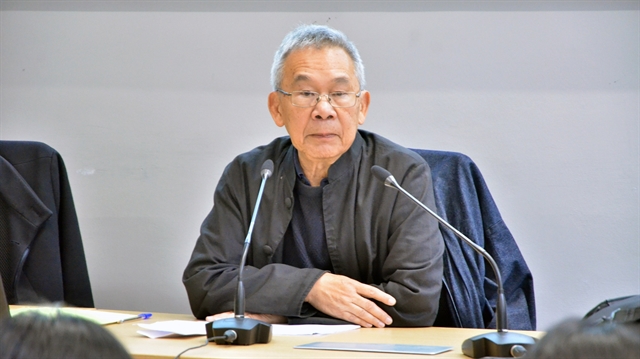
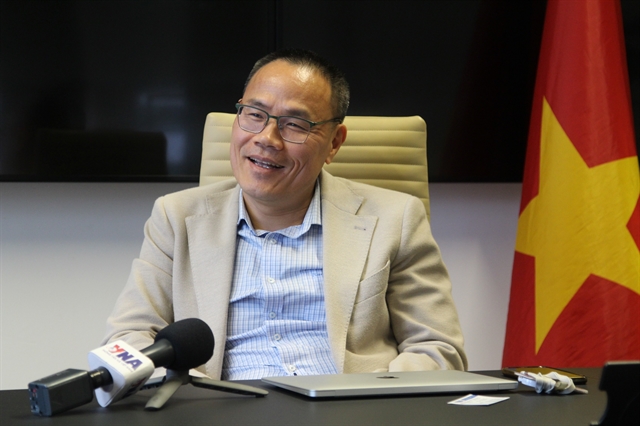
| Dr. Seun Sam, a political science researcher at the Royal Academy of Cambodia (RAC) speaks at a recent seminar themed “The Communist Party of Việt Nam in a new era of Development” in Cambodia.— VNA/VNS Photo |
HÀ NỘI — Draft documents for the 14th National Congress of the Communist Party of Việt Nam (CPV) reflect an important shift in development thinking, moving from “renewal” to “breakthroughs” with the aim of achieving faster and more sustainable economic growth, according to a Cambodian scholar.
Speaking at a recent seminar themed “The Communist Party of Việt Nam in a new era of Development” organised by the Vietnamese Embassy in Cambodia, Dr. Seun Sam, a political science researcher at the Royal Academy of Cambodia (RAC) said the 14th National Party Congress is of special significance as it sets out major orientations for Việt Nam’s economic development and foreign policy for the 2026-31 period, while laying the groundwork for the country’s goal of becoming a developed nation by 2045.
Beyond personnel work and the election of the 14th Party Central Committee and the Politburo – the bodies that play a decisive role in shaping domestic and external policies, the congress will focus on charting Việt Nam’s path toward socialism tailored to its national conditions, the RAC scholar said.
This includes emphasising the promotion of national cultural identity as an important pillar of development, alongside economic, political and social pillars, based on innovation and sustainable development.
Assessing the economic targets outlined in the draft documents, the Cambodian scholar noted that Việt Nam aims for average GDP growth of around 10 per cent per year during 2026-31, with per capita GDP projected to reach about US$8,500 by 2030.
At the same time, the country seeks to accelerate its transition toward a knowledge- and science- and technology-based economy.
These targets, he said, demonstrate a comprehensive development orientation encompassing international integration, economic reform, human resources development and environmental protection.
From a political and diplomatic perspective, the Cambodian expert highlighted that the draft documents elevate foreign affairs to a “key and regular” task on par with national defence and security.
This approach reflects Việt Nam’s renewed awareness of diplomacy as an important tool to respond to international competition, maintain peace and stability, and promote economic integration, particularly within ASEAN, through proactive diplomacy, people-to-people diplomacy and economic diplomacy.
Based on its foreign policy of independence, self-reliance, multilateralisation and diversification fo international ties, Việt Nam will continue to regard neighbouring countries, including Cambodia, as priority partners, Seun Sam said.
He stressed Cambodia’s strategic role in border cooperation, trade and investment, contributing to the shared goal of building a peaceful, stable and prosperous ASEAN.
The scholar added that the 14th National Party Congress will not only shape Việt Nam’s future direction but also open up new opportunities for stronger Việt Nam-Cambodia economic cooperation, particularly in green energy, tourism and modern agriculture as well as infrastructure connectivity and regional economic integration.— VNA/VNS
Opinion
.jpeg) Opinion
Opinion
 Opinion
 Opinion
 Opinion
 Opinion
 Opinion
 Opinion
 Opinion
 Opinion
 Opinion
 Opinion
 Opinion
 Opinion
 Opinion