 Brandinfo
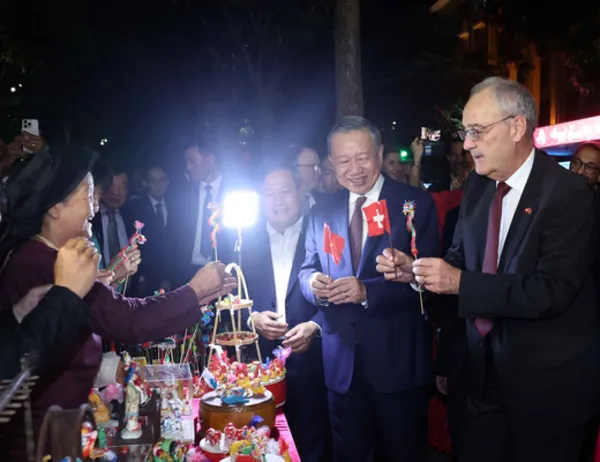
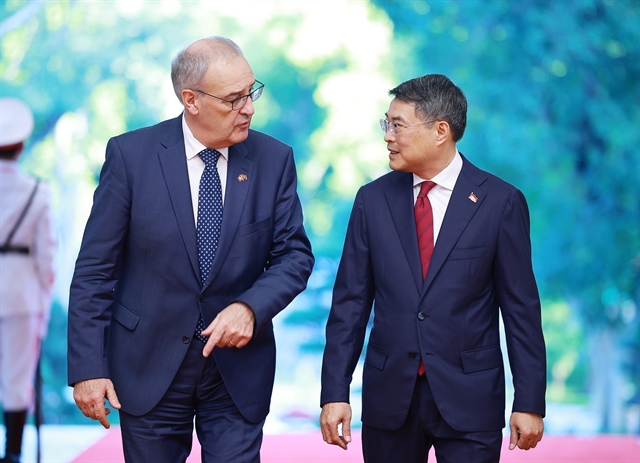
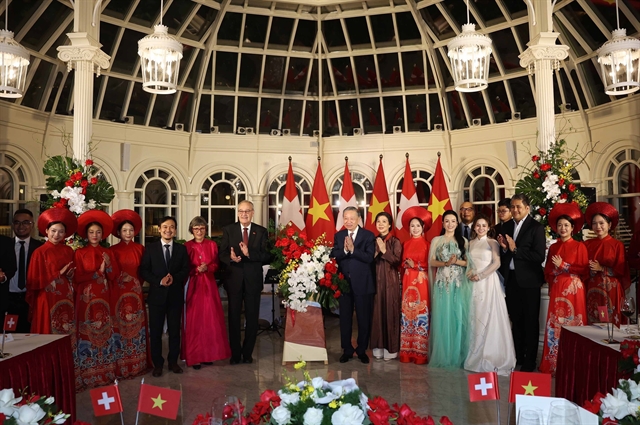
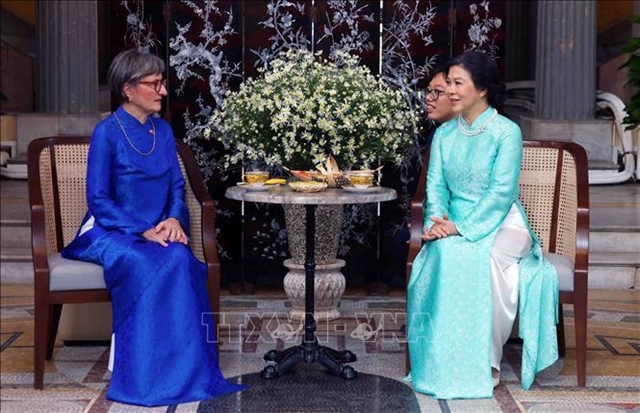
Top leader’s visit to open new chapter in Việt Nam–Denmark relations
1.
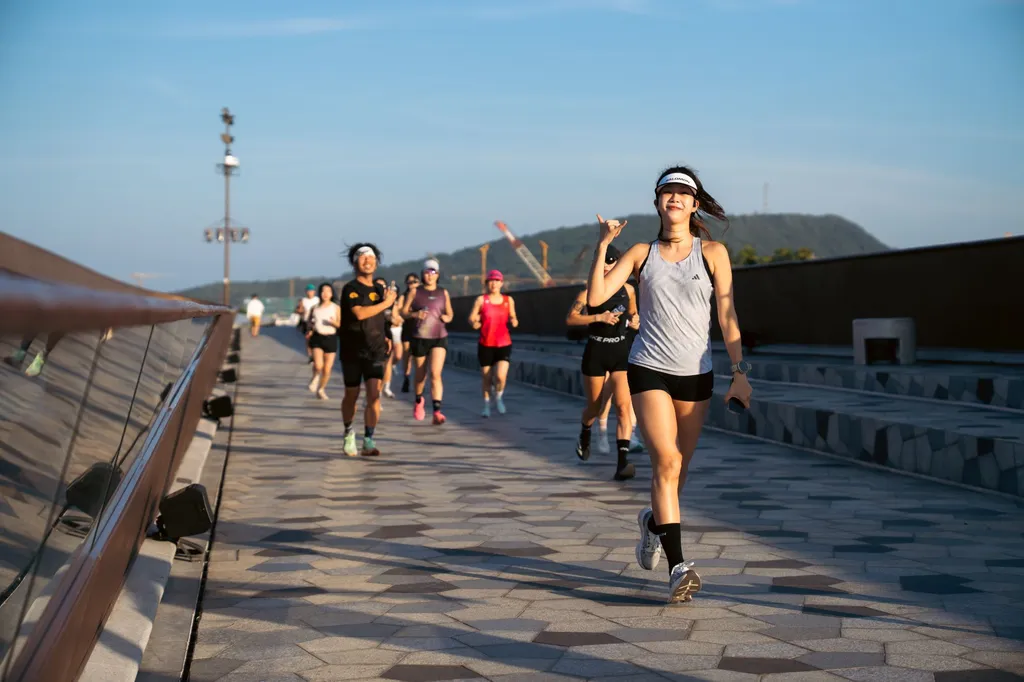 |
| South Korea is experiencing a sustained running boom, as the activity becomes a staple of modern lifestyle habits across the country. |
In recent years, streets, parks and daily lifestyles across South Korea have undergone visible changes as the running boom continues to expand with no sign of slowing. Once a largely individual activity, running has become a mass sport, with around 10 million Koreans identifying themselves as runners, nearly double the figure recorded in 2015, according to industry and tourism data.
Its simplicity, minimal equipment requirements and stress-relieving benefits have made running a familiar way for many to restore balance amid increasingly pressured urban life.
However, Korean running culture is no longer confined to riverside parks or performance-oriented marathons. Instead, concepts such as race-cation and running tours are shaping a new travel mindset. These journeys combine light physical activity with destination exploration, where the experience of running in an unfamiliar and emotionally engaging setting matters more than medals or personal records.
This shift in perspective has brought Phú Quốc into the focus of Korean runners. With flight times of just five to six hours and a 30-day visa-free policy, the island has become an appealing option for cross-border race-cations. Its year-round warm climate, open coastal scenery and spacious seaside infrastructure provide near tailor-made conditions for outdoor running, a factor highly valued by Korean travellers.
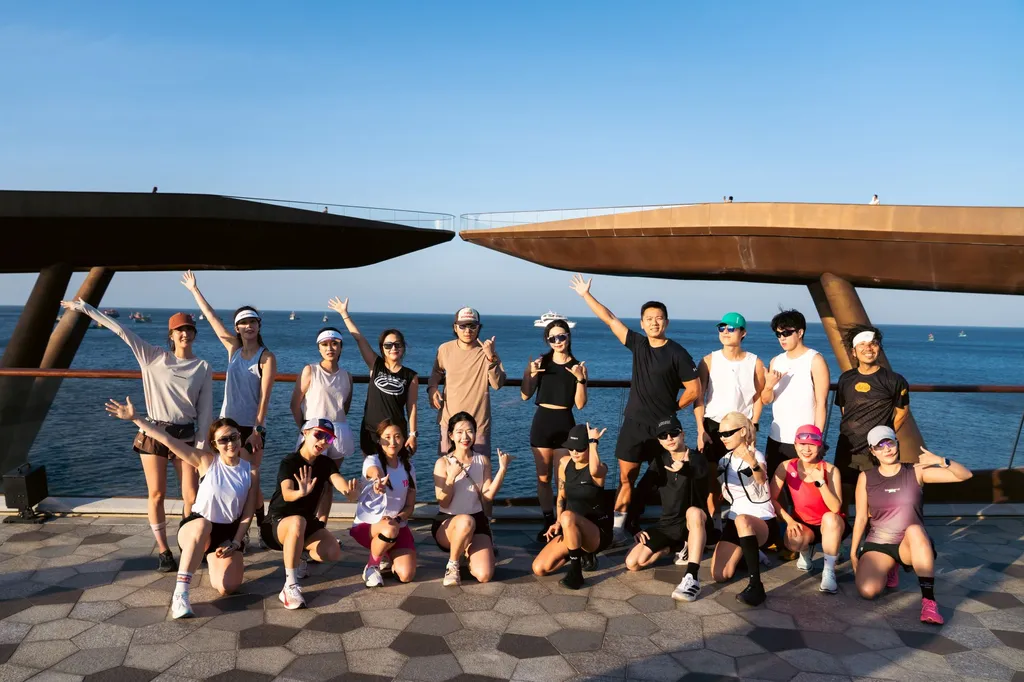 |
| Korean runners enjoy checking in along a running route at Kiss Bridge in Phú Quốc. |
This appeal was recently reflected in the experience of a group of Korean travellers visiting southern Phú Quốc. Without an emphasis on competition, the group chose to experience the destination through relaxed runs across Kiss Bridge and along the European-inspired streets of Sunset Town. Set against an expansive seascape, gentle sunlight and ocean breezes, the running tour unfolded at an unhurried pace, turning each step into a moment of connection with the island’s natural surroundings.
For many runners in the group, the main attraction lay in the opportunity to exercise in a setting entirely different from their familiar urban routines. Along routes spanning Kiss Bridge – the distinctive 'non-touching' bridge extending out to sea – runners enjoyed fresh air and a sense of calm while taking in views of the blue ocean. Paths winding past the Mediterranean-style buildings of Sunset Town led them through open squares, sloping streets and viewpoints that felt both new and familiar, where running became a natural part of the overall travel experience rather than a standalone activity.
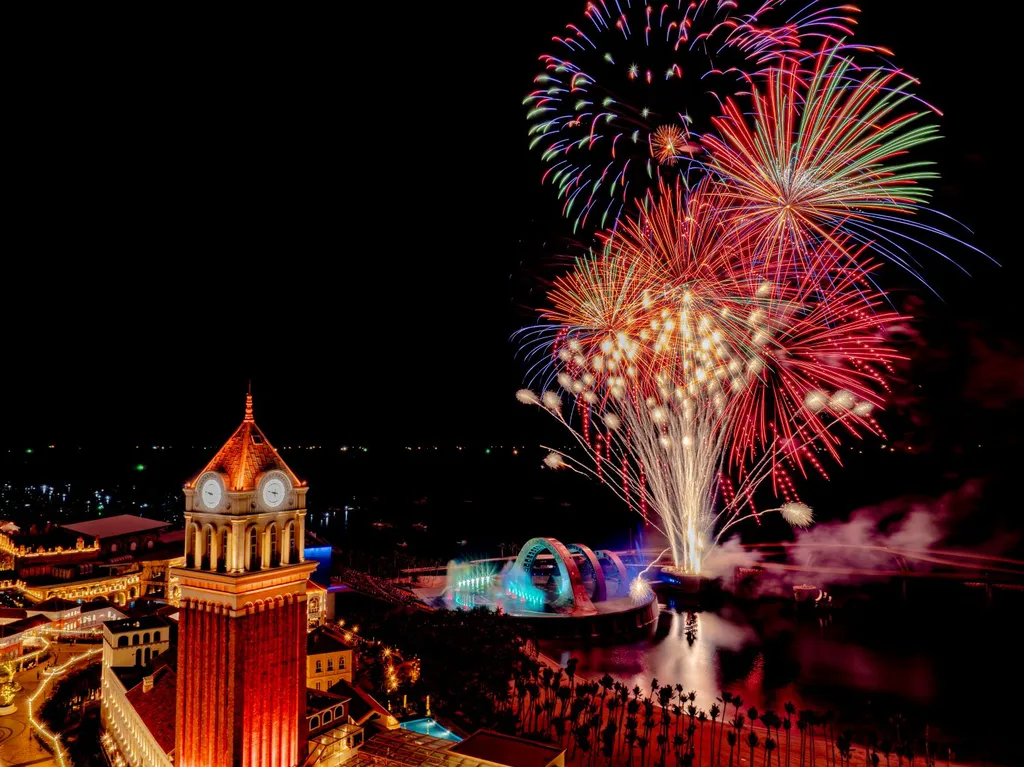 |
| Fireworks illuminate the night-time entertainment scene in Sunset Town |
After morning or late-afternoon runs, the tourism, entertainment and resort ecosystem of southern Phú Quốc continues to complete the visitor experience. Often described as a 'sleepless island', Phú Quốc offers a full day-to-night range of activities, including large-scale productions such as Kiss of the Sea, a Guinness World Record-holding show, and Symphony of the Sea, which combines music, lighting and high-adrenaline water performances.
Phú Quốc is also among the few destinations in the world to stage artistic fireworks twice every night, creating the distinctive image of an island with fireworks all year round. For many Korean visitors, the Hòn Thơm cable car – the world’s longest three-wire cable car – remains a must-try experience, frequently cited by CNN, Lonely Planet and other international publications as a symbol of Pearl Island.
As the race-cation trend continues to gain traction, global travellers, including those from South Korea, are increasingly seeking destinations that are easy to access while offering physical and mental rejuvenation. In this context, Phú Quốc is no longer seen merely as a place for relaxation, but is gradually positioning itself as a destination for movement, longer stays and meaningful experiences, marking its place on the evolving global travel map.
Brandinfo
 Brandinfo
 Brandinfo
 Brandinfo
 Brandinfo
 Brandinfo
 Brandinfo
 Brandinfo
 Brandinfo
 Brandinfo
 Brandinfo
 Brandinfo
 Brandinfo
 Brandinfo
 Brandinfo