 Life & Style
CICA summit opens with focus on trust, cooperation
1.
|
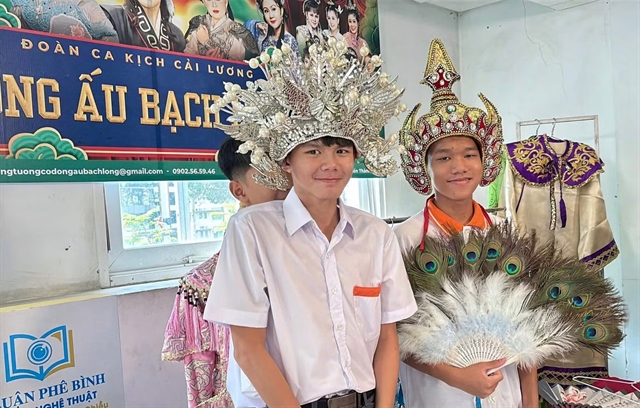
| Students at Phạm Ngũ Lão Secondary and High School in Hạnh Thông Ward learn about cải lương theatre. – VNA/VNS Photo |
HCM CITY — Schools in HCM City are giving students more opportunities to experience traditional arts, from cải lương (Vietnamese reform theatre) performances linked to classroom lessons to weekly đờn ca tài tử (southern Vietnamese chamber music) sessions.
When artists become teachers
At Phạm Ngũ Lão Secondary and High School in Hạnh Thông Ward, lessons are being retold through experimental cải lương performances. Stories from textbooks are enriched with singing, acting and artistic expression, offering students a different way of engaging with what they are learning.
Vũ Thị Thanh Huyền, the school's executive and human resources director, said students were enthusiastic about watching the performances in person.
In her view, young people have not turned their backs on traditional arts; what matters is creating opportunities for them to engage with such art in ways that suit their age.
The school's experience shows that bringing cải lương closer to young people can begin with stories connected to their lessons, daily lives and psychology.
When students find something they can understand and relate to, they have more reasons to continue exploring the singing, music and cultural values embedded in the works.
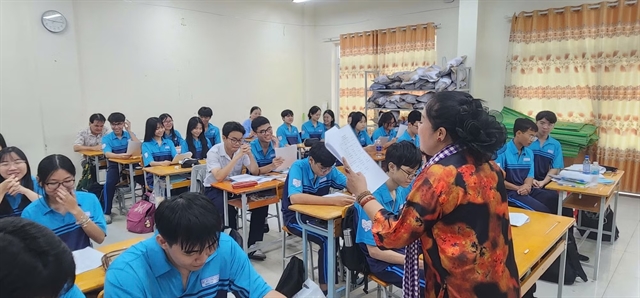
At Bùi Thị Xuân High School in Bến Thành Ward, such exposure is being maintained through a weekly đờn ca tài tử session.
From the 2026-27 academic year, the school introduced the traditional art form into its curriculum, initially piloting it in three classes before expanding it across the school.
Students are taught directly by artisans and artists from the HCM City Centre for the Practice and Transmission of Đờn ca tài tử, in co-operation with the HCM City Theatre Association.
The programme includes regular tests and assessments, with students evaluated at the end of each semester and awarded certificates at the end of the academic year.
Under this approach, students have time to learn and gradually practise alongside people with professional knowledge and experience. A weekly session provides continuity, allowing students to review what they have been introduced to and explore it in greater depth.
Huỳnh Thanh Phú, principal of Bùi Thị Xuân High School, said the programme aimed to give students opportunities to learn about and practise the art form, thereby contributing to the preservation and promotion of traditional cultural values.
People's Artist Thanh Tuyết said đờn ca tài tử had previously been performed and taught mainly at cultural centres in wards and communes.
Bringing it into schools with structured learning content and assessment created better conditions for systematic transmission, allowing students to gradually acquire knowledge and skills.
According to People's Artist Trần Ngọc Giàu, arts lessons can also create a link between schools and families. What students hear and learn can be shared with their parents, helping bring traditional arts closer to families. For that connection to be sustained, students need regular opportunities to learn about and practise the arts.
Cải lương works linked to school lessons and weekly đờn ca tài tử sessions are among the ways schools are building on students' initial enthusiasm.
With guidance from artists and artisans, students have more time to understand the works, become familiar with artistic expression and develop experiences they can share with their families.
|
| Students at Bùi Thị Xuân High School in Bến Thành Ward attend a lesson on đờn ca tài tử, guided by Meritorious Artist Ái Hằng. – VNA/VNS Photo |
Giving the arts a place in school life
Winning students' attention is only the first step.
According to artisans, if young people are to continue watching, learning about and practising traditional arts, both the quality of the works and the way they are presented need to be carefully considered.
Director and Meritorious Artist Ca Lê Hồng said cải lương has both a "dynamic" and a "static" quality. Its "dynamic" quality lies in its ability to develop and expand, while its "static" quality requires the preservation of the core values and standards of its musical repertoire.
Bringing the art form closer to young people must therefore go hand in hand with preserving the elements that define its identity.
According to Hồng, the quality of scripts and their literary value must be given due attention. Alongside new approaches to audiences, greater emphasis should be placed on training writers and performers from a solid foundation.
A programme for students must still maintain artistic quality and win them over through the strength of the works themselves.
At the city level, maintaining opportunities for students to experience the arts is also addressed in the "School Arts" project, jointly developed by the Department of Culture and Sports (DCS) and the Department of Education and Training (DET).
Nguyễn Tấn Kiệt, head of the DCS's Arts Division, said the initial target group was school students, with the programme potentially expanding to university students later.
With around 1,750 schools in the city, and more than 2,000 if non-public educational institutions are included, implementation will require the participation of multiple sectors and organisations.
The roadmap is structured around four levels: awareness and appreciation, understanding, experience and creativity.
"Arts Semester" activities are positioned at the experience level, giving students opportunities to participate directly in artistic activities. From being spectators, they can gradually learn about artistic expression and try their hand at the creative process.
Huỳnh Lê Như Trang, deputy director of the HCM City Department of Education and Training, said the project was scheduled to be implemented during 2026-30, with a vision to 2045. Its goal is for 100 per cent of educational institutions in the city, both public and non-public, to have access to and experience traditional arts at least once a year.
During the 2026-27 academic year, the city plans to bring cải lương, chèo, hát bội and other traditional art forms to schools. The annual exposure target is intended to provide a basis for schools to organise activities more regularly, building on programmes that have already been implemented.
Alongside theatre and traditional music, cinema is also being incorporated into the city's arts education orientation.
People's Artist Nguyễn Thị Thanh Thúy, deputy director of the HCM City Department of Culture and Sports, said the culture sector had developed an initial plan to help students understand and appreciate works ranging from theatre, cinema and traditional music to folk cultural values.
For cinema in particular, the department will focus on developing tools and learning materials to familiarise students at different levels with the language of film.
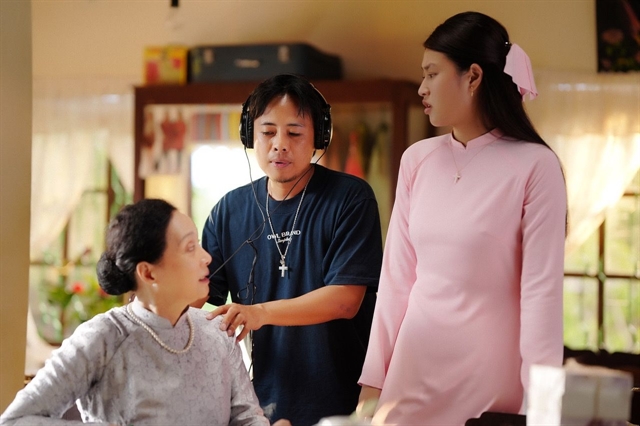
Filmmakers and artists will work alongside the culture and education sectors, helping students learn from basic concepts to the making of a film and the work of a film crew.
For these orientations to become meaningful experiences for students, schools will need sustained co-operation with artists and arts professionals.
Lessons led by artisans and carefully selected works can give students more opportunities to return to traditional arts.
Through repeated exposure, they can develop a deeper understanding of what they see, gain confidence in practising and gradually discover forms of art they genuinely enjoy. – VNS
Life & Style
 Life & Style
 Life & Style
 Life & Style
 Life & Style
 Life & Style
 Life & Style
 Life & Style
 Life & Style
.jpeg) Life & Style
Life & Style
 Life & Style
 Life & Style
 Life & Style
 Life & Style
 Life & Style