 Life & Style

Tribute for the fallen
1.
|
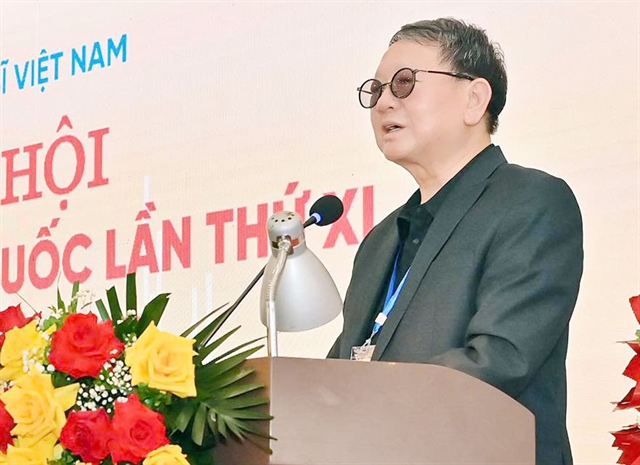
| Composer Đức Trịnh highlights the importance of digital transformation in music at a recent seminar organised by the Việt Nam Musicians’ Association. Photo thethaovanhoa.vn |
HÀ NỘI — The Việt Nam Musicians’ Association plans to build a digital museum to preserve the country’s musical heritage and make scores, recordings and archival materials more accessible.
The museum is expected to be developed between 2026 and 2031, as the association seeks to expand the presence of Vietnamese music online and create new ways for audiences to engage with musical works.
The initiative comes as technology rapidly reshapes the music landscape. Materials once preserved mainly in physical form, including manuscripts, scores, recordings and archival documents, can now be digitised and organised for easier access.
“Digitisation not only helps preserve valuable musical archives but can also bring heritage closer to the public,” said composer Đức Trịnh, president of the association.
“Materials once accessible only at specific archives will reach a much wider audience, including young people who are accustomed to discovering, learning about and enjoying cultural works online.”
The association also plans to expand online access to its members’ works, creating a digital space for music connections and transactions.
This would make it easier for listeners, event organisers and others seeking to use the works to find and access them while helping protect authors’ rights in the process.
The project is intended not only as an archive but also as a platform for introducing, popularising and using musical works.
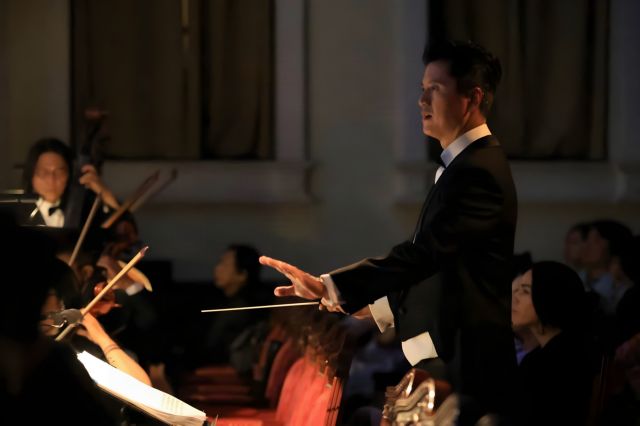
Alongside digital preservation, the association aims to bring classical music including orchestral works closer to the public.
In recent years, it has organised concerts, festivals, composition activities and international exchanges, giving composers more opportunities to collaborate with foreign artists.
This effort is increasingly relevant as boundaries between musical genres evolve.
Technology can help orchestral works and traditional music move beyond the concert hall and find new listeners through digital platforms.
Young artists are also contributing to this change.
Vũ Diệu Thảo, a master’s graduate and tỳ bà (pipa) artist, said the younger generation is making positive contributions to Vietnamese music.
“Many young artists are actively incorporating technology into their work while exploring new approaches based on traditional musical materials,” said Thảo.
“With this new creativity, I hope Vietnamese music will continue to develop and reach a global audience.”
Technology does not necessarily have to stand in opposition to tradition. When used purposefully, it can provide new ways to express traditional values and connect them with young audiences.
Trịnh also views artificial intelligence and new technologies as tools that creators cannot ignore.
"However, artists must take control of technology using it to support their own creative thinking rather than becoming dependent on it," Trịnh said.
"This is also one of the challenges facing Vietnamese music as it moves further into the digital space."
Founded by more than 50 composers and musicians, the association has spent nearly seven decades contributing to Việt Nam’s music scene.
Across generations, its members have created and preserved a substantial body of musical works, manuscripts, recordings and archival materials.
A digital music museum, if developed systematically, would provide a new way to organise this legacy while linking historical materials with contemporary musical practice and younger generations.
The challenge now is not only to preserve these works but also to keep them in circulation from concert halls to digital platforms and from domestic audiences to listeners beyond Việt Nam. — VNS
Life & Style
 Life & Style
 Life & Style
 Life & Style
 Life & Style
 Life & Style
 Life & Style
 Life & Style
 Life & Style
 Life & Style
 Life & Style
 Life & Style
 Life & Style
.jpg) Life & Style
Life & Style
 Life & Style