 Life & Style

HKSTP Partners with Leading Science and Technology Company Merck to Open a New Chapter in I&T Collaboration
1.
|
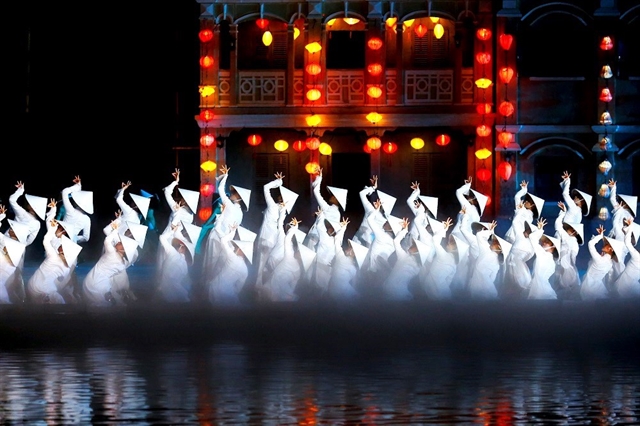
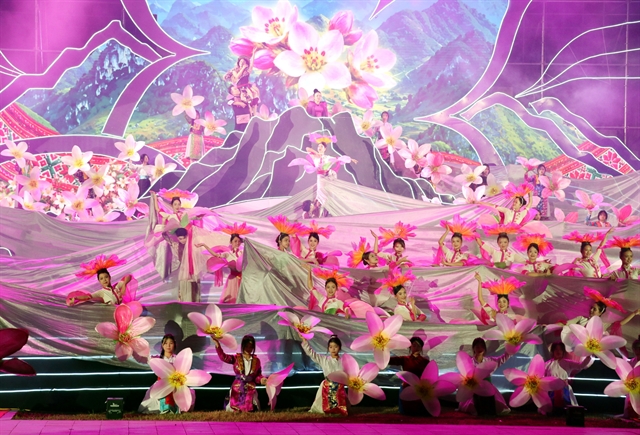
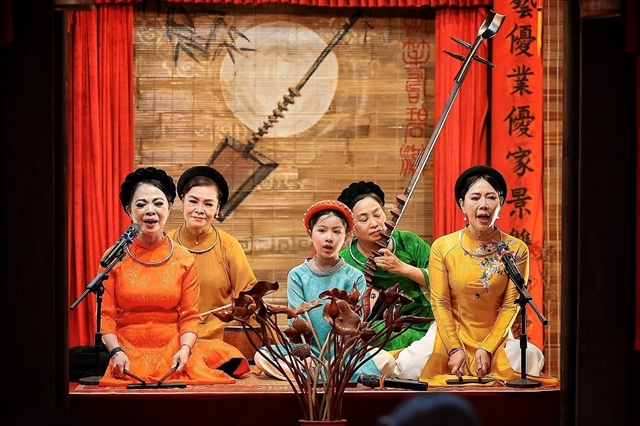
| Ký ức Hội An (Memories of Hội An) is among the immersive cultural performances helping transform heritage into a compelling tourism experience. Photo baovanhoa.vn |
HÀ NỘI — The National Day holiday has long been one of the busiest periods for domestic tourism in Việt Nam. But as the travel market matures, what people expect from a getaway is changing.
A short break is no longer defined solely by beaches, luxury resorts or scenic landscapes. Increasingly, travellers are seeking destinations where they can explore history, discover local traditions and experience the unique identity of each place they visit.
Recent booking data from Traveloka reflects this shift. Hà Nội, HCM City and several coastal destinations known for their rich cultural offerings have recorded strong demand ahead of the September holiday, suggesting that travellers are looking for journeys that leave lasting memories rather than simply providing a few days of relaxation.
The trend mirrors developments across the global tourism industry. According to figures cited by Market Report World, cultural tourism now accounts for nearly 40 per cent of international travel, with more than 3.2 billion visits made to heritage sites, museums, historical landmarks and cultural events every year.
More than half of travellers prioritise heritage-related experiences, while growing numbers are choosing traditional festivals, performing arts and authentic local encounters over conventional sightseeing.
The figures point to a broader transformation in the way people travel. Beautiful scenery may inspire a first visit, but it is often the stories, traditions and human connections behind a destination that encourage visitors to stay longer and return.
Cities are becoming destinations in their own right
This changing preference is particularly evident in Việt Nam's major cities.
Traveloka's second-quarter data shows that Hà Nội and HCM City remain among the country's most sought-after destinations. Yet their appeal now extends far beyond their role as transport hubs or gateways to other attractions.
Hà Nội continues to captivate visitors with its thousand-year-old heritage, where a single weekend might include exploring the Imperial Citadel of Thăng Long, visiting art exhibitions, enjoying traditional performances and discovering the capital's celebrated Old Quarter cuisine.
Meanwhile, HCM City has broadened its tourism appeal through museums, creative spaces, pedestrian streets and a year-round calendar of cultural, music and art events that showcase the city's vibrant contemporary identity.
Rather than ticking landmarks off a checklist, today's visitors are spending more time engaging with the history, architecture and cultural life of the places they visit. They are looking for experiences that deepen their understanding of a destination, not simply photographs to share online.
This is also why exhibitions, festivals and artistic performances held during the National Day holiday generate such strong interest. When combined with museums, heritage sites and creative spaces, they give each city a distinctive personality that sets it apart in an increasingly competitive tourism market.
Beyond the beach
|
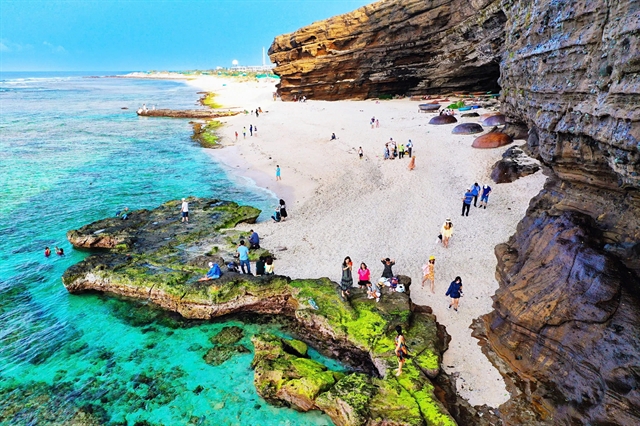
| Coastal destinations continue to attract visitors, with culture and local experiences increasingly complementing their natural beauty. Photo Hữu Thư |
A similar transformation is taking place in Việt Nam's coastal destinations.
While beaches remain a major draw, many localities are enriching their tourism offerings by weaving culture into the visitor experience.
Fishing villages, traditional craft communities, regional cuisine and local festivals are increasingly becoming as important as the coastline itself. Visitors may arrive for the sea, but they often stay for the stories that unfold after sunset.
According to Traveloka, Phú Quốc, Côn Đảo, Hội An and Đà Nẵng are among the most searched destinations for this year's National Day holiday. Their growing popularity reflects not only their natural beauty, but also their ability to combine leisure with culture, entertainment and community experiences.
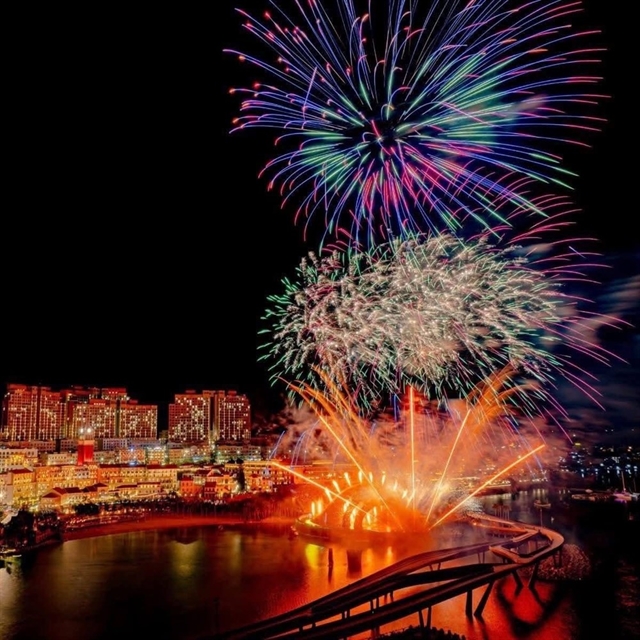
Across the country, destinations are investing in signature tourism products that extend well beyond daytime sightseeing. International events such as the Đà Nẵng International Fireworks Festival, immersive performances like Ký ức Hội An (Memories of Hội An) and multimedia productions including Symphony of the Sea in Phú Quốc have become attractions in their own right.
These experiences have reshaped the way visitors spend their holidays. Instead of ending when the sun goes down, the journey continues through performances, culinary discoveries, public spaces and cultural activities that add depth and variety to every stay.
Đà Nẵng offers a clear example of this evolution. The city has recorded strong growth across accommodation, family travel and attraction bookings, with visits to Sun World Bà Nà Hills increasing by 132 per cent compared with the same period last year.
The figures suggest that travellers are increasingly favouring destinations capable of blending natural beauty with culture, creativity and high-quality visitor experiences.
Telling cultural stories in the digital age
|
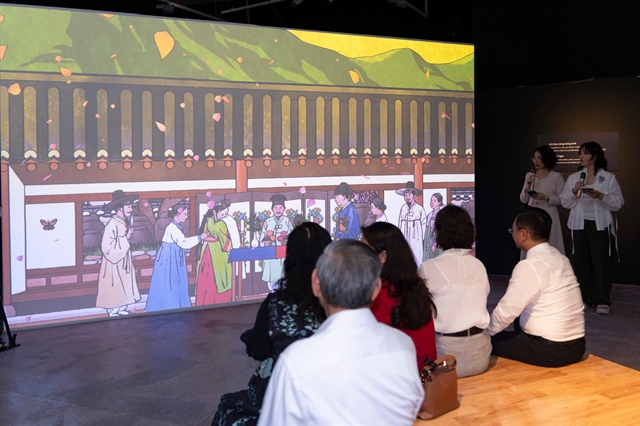
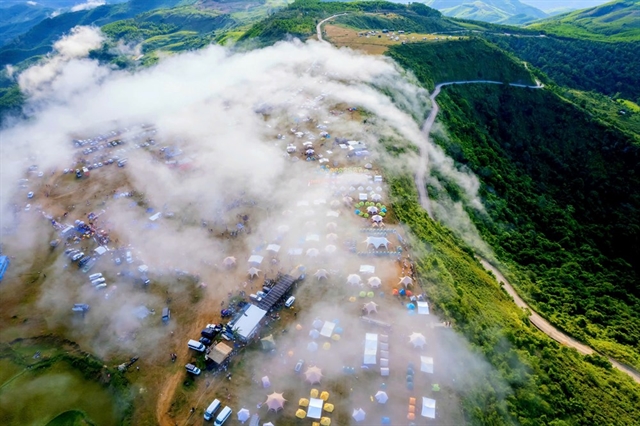
| The combination of culture, creativity, digital innovation and nature is helping many Vietnamese destinations strengthen their appeal to domestic and international travellers. Photo baovanhoa.vn |
The challenge is no longer discovering these treasures, but presenting them in ways that resonate with today's travellers. Interactive museums, immersive performances, digital storytelling, smart tourism platforms and community-led experiences are helping cultural heritage speak a contemporary language, making it more accessible and engaging for younger generations and international visitors alike.
This transformation also reflects broader national efforts to harness science, technology, innovation and digital transformation to unlock the value of cultural resources, creating richer visitor experiences while strengthening the competitiveness of Việt Nam's tourism industry. Rather than replacing authentic encounters, technology is becoming a powerful tool for preserving heritage, expanding access and enabling destinations to tell their stories in more compelling ways.
Digital platforms are also reshaping the way travellers discover and experience destinations. From AI-powered travel recommendations and online booking ecosystems to virtual exhibitions, multilingual interpretation tools and interactive visitor services, technology is making cultural tourism more personalised, accessible and immersive. Instead of overshadowing local identity, digital innovation is helping reveal the stories behind each destination and connecting visitors more closely with its people, traditions and heritage.
Culture is becoming tourism's greatest advantage
The shift also reflects a broader national vision that sees culture not simply as heritage to be safeguarded, but as a source of creativity, innovation and sustainable prosperity.
Increasingly, destinations are weaving local traditions, performing arts, festivals and community life into compelling tourism products, demonstrating how cultural values can generate new economic opportunities while preserving identity. This direction is closely aligned with the Politburo's policy of positioning culture as both the spiritual foundation of society and an internal strength for national development, enabling tourism to grow through authenticity rather than imitation.
For Việt Nam, this approach offers a significant competitive advantage. Few countries possess such a rich combination of UNESCO-recognised heritage sites, centuries-old festivals, diverse culinary traditions, traditional craft villages and the living cultures of 54 ethnic groups.
As more destinations move beyond developing isolated attractions and instead build integrated tourism ecosystems that combine heritage, festivals, gastronomy, arts, public spaces and digital innovation, Việt Nam is steadily redefining its tourism identity. Culture is no longer viewed simply as an asset to preserve, but as a catalyst for creativity, sustainable growth and higher-value tourism.
This National Day holiday thus represents more than another seasonal travel peak. It reflects a growing recognition that the country's greatest tourism asset lies not only in its landscapes, but in its ability to bring culture to life.
When every journey becomes an opportunity to understand the history, people and traditions of a place, tourism creates value that extends far beyond the holiday itself. In doing so, Việt Nam is building a tourism model where culture, creativity and innovation reinforce one another, ensuring that the country's unique heritage continues to inspire visitors while supporting sustainable development for generations to come. — VNS
Life & Style
 Life & Style
 Life & Style
 Life & Style
 Life & Style
 Life & Style
 Life & Style
 Life & Style
 Life & Style
 Life & Style
 Life & Style
 Life & Style
 Life & Style
 Life & Style
 Life & Style