 Life & Style
Việt Nam’s growth prospects appeal to long-term investors
1.
Dr Pedro Trigo*
Across Asia, prostate health is becoming an increasingly important topic for men and their families. The majority of the world’s male population lives in this region, and in recent years, prostate conditions, including prostate cancer, have been rising steadily.
This trend is closely linked to ageing populations, rapid urbanisation and changing lifestyles, as well as cultural attitudes that can delay early detection.
Understanding these changing risks is an important first step toward improving prostate health.
|
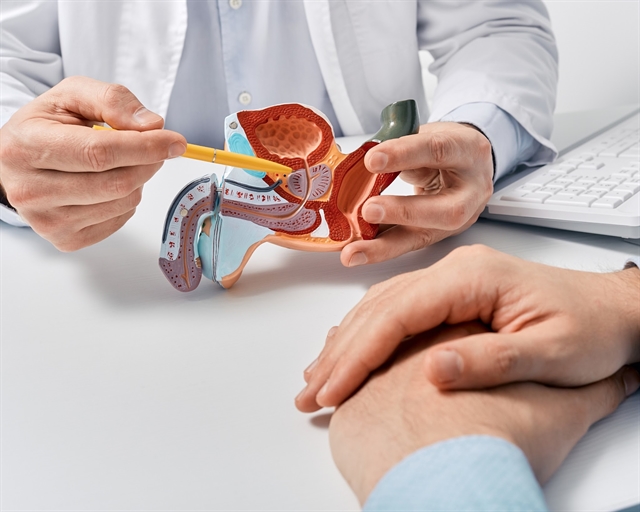
| Understanding prostate health is an important step toward early detection and better long-term outcomes. — Photo courtesy of Family Medical Practice |
Why prostate health is becoming more relevant in Asia
Asia is home to some of the world’s fastest-ageing societies. As men live longer, age-related conditions naturally become more common, and the prostate is no exception. Prostate enlargement and prostate cancer are strongly associated with increasing age, making awareness particularly important for middle-aged and older men.
At the same time, lifestyle changes associated with urban living conditions, including reduced physical activity, higher rates of obesity, dietary shifts and increased stress, may also play a role in rising prostate health issues. While genetics and ethnicity influence risk, environmental and lifestyle factors are increasingly recognised as contributing elements.
Cultural barriers and delayed detection
In many Asian cultures, discussions about prostate health remain sensitive or uncomfortable. Symptoms such as urinary changes are often dismissed as a normal part of aging or avoided altogether due to embarrassment. As a result, some men delay seeking medical advice until symptoms become more severe.
This hesitation can lead to later diagnosis, when conditions are more advanced and treatment options may be more complex. Encouraging open, respectful conversations about prostate health within families and with healthcare professionals is essential to improving early detection.
Common prostate conditions
Prostate health concerns exist on a spectrum. Benign prostatic hyperplasia, or prostate enlargement, is very common with ageing and can cause urinary symptoms such as frequent urination, weak stream or difficulty emptying the bladder. Prostatitis, an inflammation of the prostate, may affect younger men and can cause pain or discomfort.
Prostate cancer is less common than benign conditions, but becomes more likely with age. When detected early, outcomes are generally favourable, highlighting the importance of awareness and timely assessment.
The role of families
Family members often notice changes before men do themselves. Partners or adult children may observe increased nighttime urination, fatigue or discomfort that prompts a conversation. In many cases, encouragement from family plays a key role in motivating men to seek medical advice.
Approaching prostate health as a shared family concern, rather than an individual issue can help reduce stigma and support earlier care.
Looking forward: awareness, not alarm
Rising rates of prostate conditions in Asia do not mean that men should feel fearful. Instead, they highlight the need for informed awareness. Knowing what is normal, recognising changes early, and understanding when to seek medical advice can make a meaningful difference to long-term prostate health.
Simple steps such as maintaining a healthy lifestyle, staying physically active and discussing age-appropriate screening with a doctor can support long-term prostate health.
A final thought
Prostate health is an important part of overall wellbeing and becomes increasingly relevant as men age. In modern Asia, where demographic and lifestyle changes are reshaping health risks, open conversation and early awareness are key. By understanding the changing landscape of prostate health, men and their families can make informed decisions and approach ageing with confidence rather than uncertainty. — Family Medical Practice
.jpg)
|
| Dr Pedro Trigo. — Photo courtesy of Family Medical Practice |
*Dr Pedro Trigo is an experienced internal medicine physician with a strong background in the diagnosis and management of complex adult medical conditions. He provides comprehensive care for patients with chronic diseases, metabolic disorders, cardiovascular risk factors and acute medical concerns. Dr Trigo takes a holistic, evidence-based approach to internal medicine, focusing on long-term health management, disease prevention and clear communication to support patients in making informed decisions about their health.
FMP Healthcare Group operates medical centres in major cities including HCM City, Hà Nội and Đà Nẵng, offering consultations with international doctors, check-up centres and emergency ambulance services.
Visit FMP Thảo Điền in HCM City to consult with Dr Pedro Trigo.
To book an appointment, please call (028) 3744 2000 (FMP - Thảo Điền), or email d2.reception@vietnammedicalpractice.com.
Life & Style
 Life & Style
 Life & Style
 Life & Style
 Life & Style
 Life & Style
 Life & Style
 Life & Style
 Life & Style
 Life & Style
 Life & Style
 Life & Style
 Life & Style
 Life & Style
 Life & Style