 Life & Style
Po Klong Garai: Chăm towers preserving centuries of history
1.
HÀ NỘI — By combining centuries-old craftsmanship with contemporary design, Hà Nội's traditional craft villages are finding new ways to keep their cultural heritage relevant and competitive in modern life.
From Bát Tràng to Vạn Phúc, Hà Nội's craft villages are embracing contemporary design to refresh traditional products without compromising their heritage. By combining time-honoured craftsmanship with modern aesthetics, artisans are creating products that appeal to changing consumer tastes and international markets.
Linking craft villages with creative designers
|
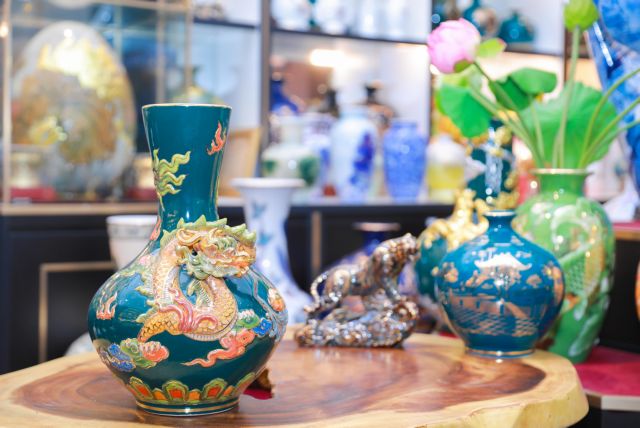
| Bát Tràng Village is renowned for finely crafted ceramic products. —VNA/VNS Photo Phan Phương |
Hà Nội is home to more than 1,350 craft villages and villages with traditional trades, the largest concentration in Việt Nam. From ceramics, silk and lacquerware to rattan weaving, mother-of-pearl inlay and embroidery, these products embody both refined craftsmanship and the rich cultural heritage of the thousand-year-old capital of Thăng Long.
However, growing competition and rapidly changing consumer preferences have created pressure for innovation. While many handicraft products boast high quality and skilled workmanship, some struggle with outdated designs, limited functionality, and weak brand identity. In the creative economy, products must not only be durable and aesthetically appealing but also meet practical needs and tell compelling cultural stories.
According to Bùi Thị Thanh Hương, Editor-in-Chief of Architecture Magazine under the Việt Nam Association of Architects, traditional knowledge is gradually fading in some craft villages. Artisans often lack adequate recognition and compensation, while their products are vulnerable to mass imitation. The challenge, she said, is ensuring that craft heritage can participate in contemporary life in a fair and sustainable manner while preserving a distinctive identity.
Against this backdrop, closer cooperation between craft villages and creative designers is increasingly seen as a promising solution. Combining traditional craftsmanship with modern design thinking can enhance product value and broaden market access, particularly among young consumers and international buyers.
A number of initiatives have been proposed to help traditional craft village products become more deeply integrated into Hà Nội's cultural industries. Hà Nội plans to strengthen links between craft villages and the design community while promoting outstanding handicrafts through the Hà Nội Creative Design Festival 2026. The municipal Department of Culture and Sports is expected to serve as a bridge in mobilising resources and supporting cultural initiatives that contribute to the development of craft villages and the city’s cultural industries.
Artisans and designers working together
|
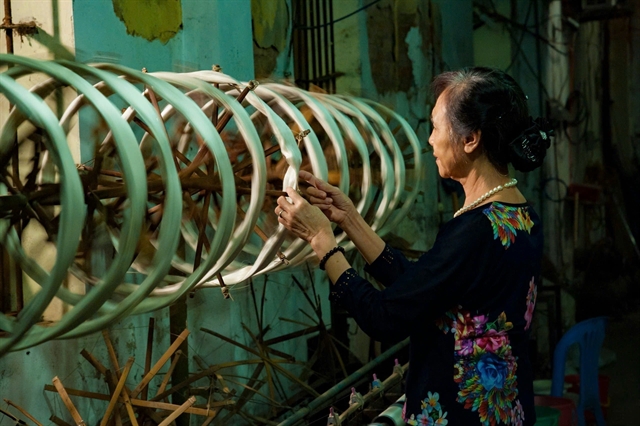
| An artisan in Vạn Phúc silk village. — VNA/VNS Photo Phương Anh |
The trend of collaboration between artisans and designers is already gaining momentum in several craft villages in Hà Nội, with encouraging results. Bát Tràng pottery village and Vạn Phúc silk village were the first in Hà Nội to join the World Crafts Cities network.
In late 2024, Bát Tràng commune established a creative design centre to promote OCOP products, craft villages, and tourism products, towards building a value chain linking design, production and marketing while preserving traditional cultural values. Many Bát Tràng ceramic products now feature minimalist designs suited to modern living spaces while retaining traditional glazing and firing techniques, helping them gain popularity domestically and internationally.
Vạn Phúc silk has also been revitalised through contemporary fashion applications. Once associated mainly with traditional attire, the fabric is now featured in collections targeting young consumers, bringing the village’s products closer to everyday life and tourists.
Creative design is also opening new opportunities through experiential tourism and community creative spaces. Experts believe Hà Nội's craft villages can become attractive cultural destinations by combining handicraft production with live demonstrations, workshops and heritage storytelling. Such an approach aligns with the city’s strategy of developing cultural and creative industries based on traditional cultural resources.
However, insiders said Hà Nội needs clearer frameworks that protect artisans’ interests, respect traditional values and ensure fairness in the creative process.
Expanding creative hubs and partnerships involving craft villages, universities, research institutes, and design firms would also provide more opportunities for artisans and young creators to exchange ideas and work together. At the same time, the promotion of handicrafts should become more professional, highlighting the cultural stories, people and craftsmanship behind each product.
Most recently, Chuyên Mỹ mother-of-pearl and lacquerware village and Son Dong sculpture and lacquer craft village joined the World Crafts Cities network, following Bát Tràng and Vạn Phúc. According to Vice Chairman of the Hà Nội People’s Committee Nguyễn Xuân Lưu, the recognition reflects the cultural value, craftsmanship and creativity of Việt Nam's traditional craft villages.
Hà Nội will continue supporting heritage preservation, design innovation, brand development, workforce training, and competitiveness enhancement for handicraft products, he said. —VNA/VNS
Life & Style
 Life & Style
 Life & Style
 Life & Style
 Life & Style
 Life & Style
 Life & Style
 Life & Style
 Life & Style
 Life & Style
 Life & Style
 Life & Style
 Life & Style
 Life & Style
 Life & Style