 Life & Style
Karate team eye medals at world youth championships
1.
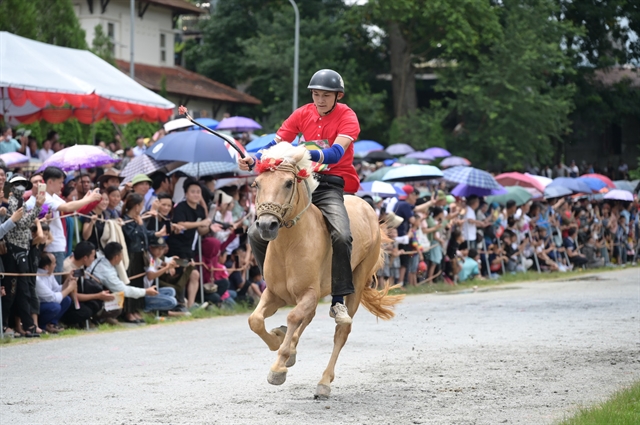 |
| A rider competes on the track at the Bắc Hà Traditional Horse Racing Tournament. — VNS Photo Hồng Ninh |
By Thanh Nga and Hương Thu
As morning mist lifts from the mountains of Bắc Hà, the sound of hooves carries across the slopes — steady, familiar, enduring.
Along winding trails and through terraced fields, horses move with quiet certainty, their presence woven into the daily rhythm of life in Lào Cai’s highlands.
For ethnic communities in Lào Cai Province, horses are far more than a means of transport or valuable property; they are trusted companions carrying goods, ploughing the land and bearing memories and cultural identity across generations.
Even as bicycles, motorbikes and cars reach deeper into the mountains, horses remain the most reliable means of transport on the high, rugged slopes of Bắc Hà Commune. Small but resilient, they are sure-footed on zigzag trails, able to cross streams, withstand frost and are easy to care for.
Accustomed to steep, narrow paths, they live alongside people even at the highest peaks, becoming symbols of perseverance and resilience that reflect the character of the communities themselves.
Yet these same horses, so essential to everyday life, transform into powerful competitors when they step onto the racetrack.
Bắc Hà’s horse races have grown from a local tradition into a nationally recognised cultural heritage and a signature cultural tourism highlight. Visitors come not merely for competition but to experience the free-spirited, martial energy of the region.
Racing tradition
Vàng Văn Cương, a Tày ethnic man from Na Áng B Village, says the sound of hooves has followed him since childhood. Toddlers rode in baskets hung on horses to the fields, and young couples once rode together to festivals.
Today, horses still help him haul goods and have made him a decorated rider at the Bắc Hà Horse Race.
“There’s an invisible, strong bond between me and the horse,” Cương says. “Racing is less about winning and more about a cultural practice passed down through generations, something ethnic people of the highlands fiercely work to preserve.”
To witness a Bắc Hà race is to understand why horses are a source of deep local pride.
At the spring events, riders without saddles charge around the track, guiding their mounts without whips, relying only on their feet, spurs, balance and trust, moving as if they were one. Hooves strike like war drums as spectators rise and cheer with each lap.
Visitor Phạm Hoàng Hải from Hà Nội describes the scene: “The atmosphere is electric. Bắc Hà horses are small and agile, and the riders are brave enough to ride without saddles. The races are dramatic and rich with northwestern identity.”
Bắc Hà’s races draw sizeable crowds, typically 3,000 to 5,000 visitors on weekends.
Giàng A Hải, director of the Bắc Hà Centre for Culture, Sports and Information, says the introduction of weekly races from November last year marked a bold move by local authorities following administrative changes.
“We’re not only building tourism products, but also encouraging people to keep herds, preserve valuable genetic lines and develop sustainable economies. Ticket revenue helps fund the tournament and supports horsemen,” Hải says.
Away from the track, pack horses return to mountain slopes or join tourism ventures, opening up new livelihoods. Visitor Vũ Thị Thanh Loan from Ninh Bình chooses a horse at Hoàng A Tưởng homestay and rides leisurely through the streets, enjoying the slow life among the hills.
“Their loyalty and intelligence make me love this place more. Visiting Bắc Hà without watching a race or riding a horse would be missing something vital,” she says.
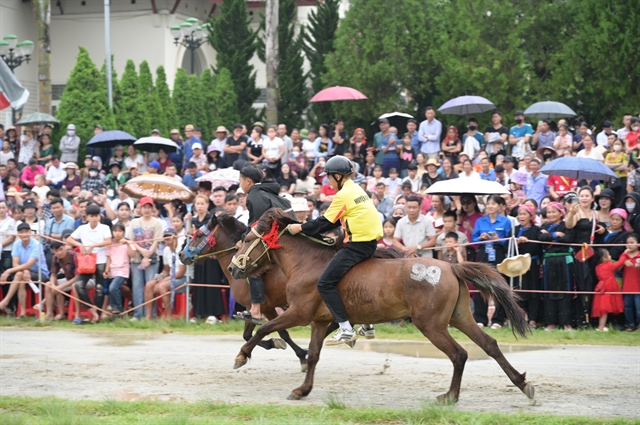 |
| Bắc Hà’s horse races have grown from a local tradition into a nationally recognised cultural heritage and a signature cultural-tourism highlight. — VNS Photo Hồng Ninh |
Spiritual symbols
Beyond labour and sport, horses are also woven into spiritual life.
Hà Văn Thắng, former director of the Department of Culture, Sports and Tourism of Lào Cai, explains that the Nùng ethnic people still preserve two sacred funeral dances: the paper horse dance and the goose dance. Performed after soul redemption rites, they carry the deceased’s spirit home.
For the Nùng, paper horses serve as sacred transport for offerings, possessions and wealth bound for the underworld. The paper horse dance is therefore indispensable at funerals, acting as both a farewell and an expression of thanks and respect.
Two stylised paper horses, created by artisans, form the centrepiece of the ritual.
In Mường Khương Commune, the paper horse dance blends folk art, spirituality and community ritual. Shamans in traditional dress ride horses made of bamboo and coloured paper, their coordinated arm and leg movements shifting from slow to reverent lively and energetic.
Their rhythmic motions set bells jangling like galloping hooves, while drums, gongs and prayers create a mysterious communal space that draws onlookers in.
Vàng Văn Thế of Mã Tuyển Village recalls that the paper horse was once used only in filial rites to honour ancestors, but the dance now appears at joyful events such as regional cultural and historical celebrations and the Lunar New Year festival.
Women and young people join in, helping to keep the tradition alive.
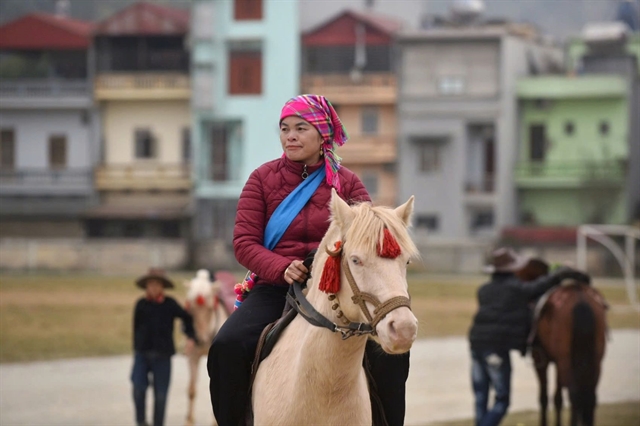 |
| For ethnic communities in Lào Cai Province, horses are far more than a means of transport and valuable property. — Photo Kỳ Lâm |
Mường Khương is actively preserving this heritage by maintaining the craft of paper horse-making, forming a paper horse dance club, and teaching the art in schools so the tradition can be transmitted, adapted, and cherished by future generations. — VNS
Life & Style
 Life & Style
 Life & Style
 Life & Style
 Life & Style
 Life & Style
 Life & Style
 Life & Style
 Life & Style
 Life & Style
 Life & Style
 Life & Style
 Life & Style
 Life & Style
 Life & Style