 Life & Style

Việt Nam fosters comprehensive cooperation with Uruguay
1.
.jpg)
|
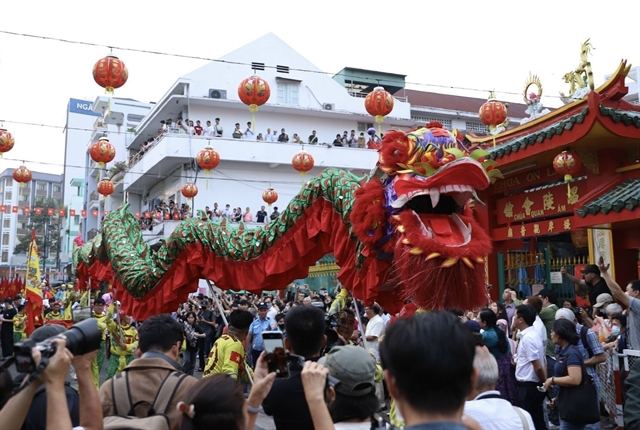
| Large crowds gathered at Văn Miếu - Quốc Tử Giám during the recent Lunar New Year holiday. VNA/VNS Photo |
HCM CITY — Experiential, longer-stay and higher-spending travel is emerging as the defining trend of Việt Nam’s tourism market in early 2026, as the sector sustains strong growth following the Lunar New Year peak.
Experience-led travel
Industry experts said that early 2026 has marked a clear shift in consumer behaviour. Travellers are no longer prioritising short sightseeing trips, but are instead seeking immersive local experiences, community-based cultural activities, agricultural tourism, wellness services and family-oriented resorts.
Farmstay models, community tourism villages and scripted experiential tours are contributing to longer stays, a critical factor in boosting revenue.
The fact that total tourism receipts have grown faster than visitor numbers underscores the improvement in average spending per tourist.
Vũ Thế Bình, chairman of the Việt Nam Tourism Association, said the target of welcoming 25 million international visitors and serving 150 million domestic travellers in 2026 presents a significant challenge, but remains achievable if the sector continues to enhance product quality, restructure markets and invest synchronously in infrastructure.
Economic experts describe Tết 2026 as a potential “turning-point spring”, when four favourable factors converged: strong market demand, diversified new products, stable infrastructure operations and qualitative revenue growth.
This suggests that the sector’s expansion is no longer merely seasonal, but increasingly structural.
However, alongside the positive outlook, certain destinations experienced temporary overcrowding during peak days, while airfares rose due to imbalanced flight schedules and traffic congestion occurred at major urban gateways.
These issues, experts note, require long-term planning and more effective visitor flow management.
Deputy Minister of Culture, Sports and Tourism Hồ An Phong stressed that in the coming period, the tourism sector must continue restructuring its markets, fostering a healthy tourism environment and improving service quality to extend visitor stays and increase spending, rather than competing primarily on low prices.
|
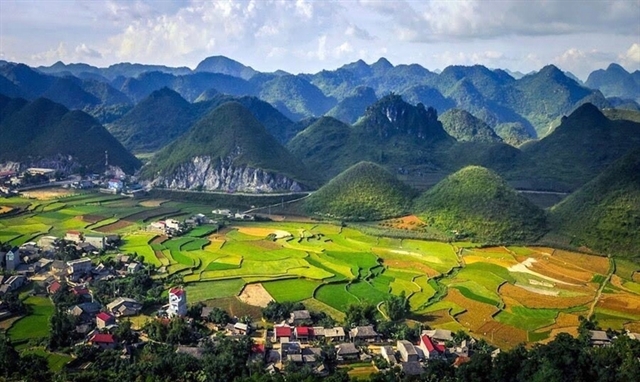
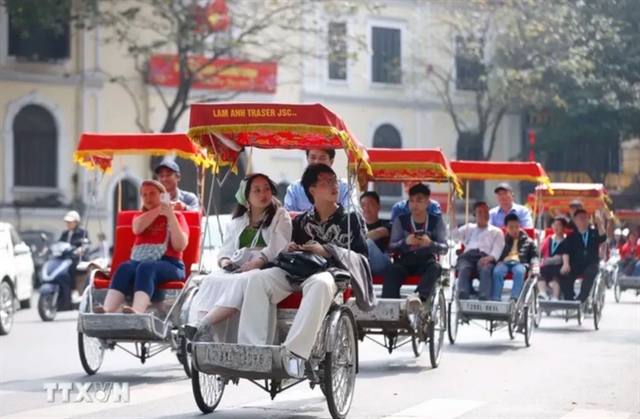
| In 2026, tourism would not simply mean travelling more, but travelling more meaningfully and responsibly. Photo www.qdnd.vn |
Growth momentum sustained
After the nine-day Tết holiday for the Year of the Horse (February 14–22), the market has entered a more stable phase, with visitor numbers remaining high across many destinations.
More notably, tourism revenue in numerous localities has increased at a faster pace than arrivals, signalling a structural shift from volume-driven tourism to value-oriented development.
According to the Việt Nam National Authority of Tourism, the country welcomed approximately 2.5 million international arrivals in January 2026, the highest monthly figure ever recorded, up nearly 18.5 per cent year-on-year.
The strong performance is viewed as an early indication that Việt Nam’s tourism sector is entering a new growth cycle from the very beginning of the year.
During the nine-day Tết holiday, the country served an estimated 14 million visitors, up 12 per cent compared to the same period in 2025.
Average hotel occupancy nationwide reached 55–60 per cent, while several key destinations recorded exceptionally high room fill rates, including Phú Quốc (around 95 per cent), Sa Pa (90–95 per cent), Đà Lạt and Phan Thiết (80–90 per cent).
Tourism revenue in many localities rose by more than 30 per cent, in some cases significantly higher than visitor growth.
Experts note that this reflects improved average spending per capita and longer stays, two key indicators of qualitative growth.
Đà Nẵng welcomed approximately 1.1 million visitors during the holiday, including over 500,000 international arrivals, generating an estimated VNĐ3.96 trillion (US$162 million) in revenue, up 34 per cent year-on-year. Average room occupancy reached 65–70 per cent.
Meanwhile, HCM City continued to lead the country in tourism revenue, recording more than VNĐ12.15 trillion while serving 4.3 million visitors, including about 170,000 foreign arrivals.
Average spending reached over VNĐ2.8 million per visitor, with hotel occupancy at around 75 per cent.
In Hà Nội, visitor numbers totalled 1.34 million, generating VNĐ4.8 trillion in revenue, up 36.3 per cent compared to the same period last year.
According to municipal authorities, the simultaneous opening and refurbishment of heritage sites, alongside expanded experiential activities, significantly enhanced cultural depth and visitor engagement.
Other localities such as Quảng Ninh, Lào Cai, Khánh Hòa and Ninh Bình also recorded tourism revenues reaching into the trillions of đồng.
Lào Cai alone welcomed nearly 780,000 visitors, up more than 35 per cent, with estimated revenue of VNĐ1.67 trillion.
Notably, in destinations such as Huế and Đà Nẵng, international arrivals were nearly on par with domestic visitors, reflecting a more balanced and increasingly internationalised market structure.
Major travel companies also reported positive signals.
Vietravel served more than 200,000 customers during the Tết holiday, with a relatively balanced structure between domestic tours (42 per cent) and outbound tours (58 per cent). Tours lasting four to six days were particularly popular.
The company noted a 30 per cent increase in overseas Vietnamese returning home for spring travel compared to the previous year.
Family reunions combined with travel are becoming increasingly common, creating space for more flexible and personalised tour products.
Trần Đoàn Thế Duy, Chief Executive Officer of Vietravel, said the extended nine-day holiday created broader opportunities for families to travel more deeply.
He added that in 2026, tourism would not simply mean travelling more, but travelling more meaningfully and responsibly.
With stronger demand, improving service standards and a clear shift towards value creation, Việt Nam’s tourism sector appears poised to enter a new development cycle, one defined not only by larger numbers, but by higher quality, stronger branding and enhanced regional competitiveness. — VNS
Life & Style
 Life & Style
 Life & Style
 Life & Style
 Life & Style
 Life & Style
 Life & Style
 Life & Style
 Life & Style
 Life & Style
 Life & Style
 Life & Style
 Life & Style
 Life & Style
 Life & Style