 Environment

EVNNPT seeks over $224 mln in bank loans for grid expansion
1.
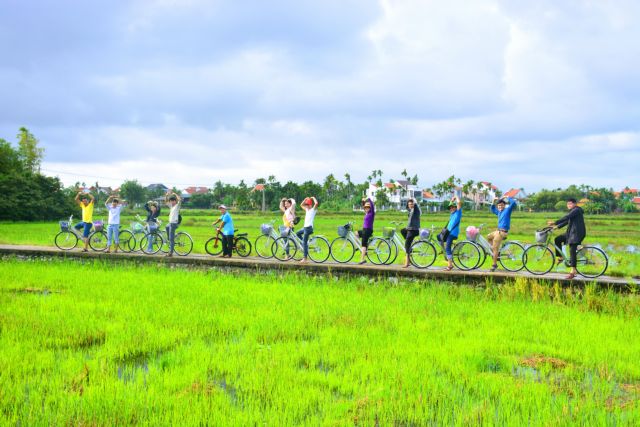 |
| Tourists join a bicycle tour at a rural village in Hội An ancient town. The UNESCO-recognised world heritage site has urged the mass use of bicycles among local residents and tourists during their daily movements and visiting destinations in the town. Photo courtesy of Bùi Văn Tuấn |
HỘI AN — The ancient town of Hội An has been expanding public spaces for cycling, encouraging both residents and tourists to use bicycles as part of its efforts to promote eco-tourism and develop itself into a bicycle-friendly city.
The UNESCO-recognised Hội An Ancient Town was selected as a venue for the promotion of Wecycle Week, an initiative launched by Ashui.com and NetZero Việt Nam in 2019 in connection with World Bicycle Day and World Environment Day.
Held during the first week of June each year, the campaign seeks to raise public awareness of climate change and environmental protection, while promoting greener lifestyles and sustainable mobility.
Since 2002, the tourism hub has designated a number of streets for pedestrians and non-motorised vehicles in an effort to reduce noise and air pollution in the Old Quarter. The initiative has proved popular among international visitors, many of whom prefer exploring the city, nearby beaches and surrounding villages by bicycle or other environmentally friendly means of transport.
Hội An was also the first urban area in Việt Nam to launch a pilot public bicycle-sharing system through a project implemented in cooperation with GIZ and HealthBridge Canada. The initiative encourages residents to shift from petrol-powered vehicles to bicycles within the World Heritage Site.
The city has also introduced six electric bus routes and continues to operate its pilot bicycle-sharing scheme as part of broader efforts to promote green transport and sustainable tourism.
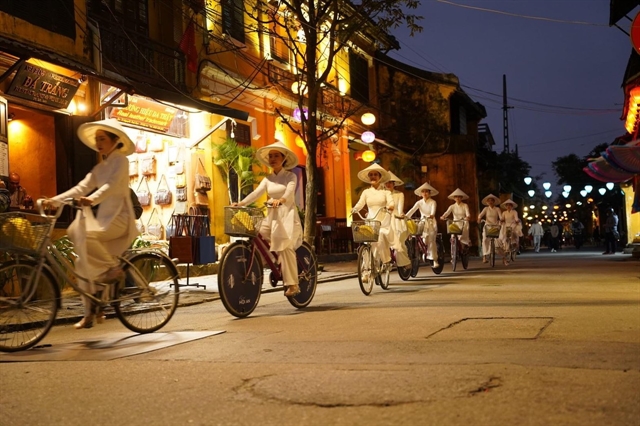 |
| A bicycle riding demonstration event takes place in the Old Quarter of Hội An ancient town. The world heritage site has called for using environment-friendly vehicles instead of individual cars or motorbikes. Photo courtesy of Xuân Hà |
The city’s German sister city, Wernigerode, supported the development of a dedicated cycling lane along a five-kilometre eco-route linking the Old Quarter with An Bàng Beach. The route allows visitors to explore eco-tourism attractions such as the Trà Quế Vegetable Village and the Cẩm Thanh Nipa Palm Forest.
Nguyễn Sự, former Party Secretary of Hội An, said the city has actively encouraged residents to use bicycles for daily travel as part of its goal of reaching 100,000 bicycles in use and becoming Việt Nam’s first eco-city.
Since 2017, pedestrian zones have been expanded beyond the Old Quarter to include Trần Phú Street, Hội An Market, Công Nữ Ngọc Hoa Street, Cao Hồng Lãnh Street, Bạch Đằng Street, Nguyễn Huệ Street, Hoàng Diệu Street, Phan Bội Châu Street and Hoài River Square.
According to a city report, Hội An receives at least 10,000 vehicles each day, with motorbikes accounting for 77 per cent of total traffic. Congestion frequently occurs in the afternoons when tourist coaches arrive in large numbers.
Lê Việt Hà, chairman of Ashui.com and Net Zero Việt Nam, said the Wecycle Week initiative was launched to encourage cycling and low-carbon transport while helping improve air quality in urban areas.
“The campaign aims to bring about long-term changes in travel habits, encouraging people to choose cleaner modes of transport and make greater use of public transportation instead of relying on private cars and motorbikes,” Hà said.
Lê Quốc Việt, a member of the Quảng Nam Green Destinations Club, said the campaign has helped position Hội An as a meeting point for discussions on responsible tourism, sustainable transport and community-based development.
“Cycling brings together local residents, businesses and visitors. It promotes a slower pace of life amid rapid urbanisation and economic development, while helping strike a balance between economic growth and environmental protection,” Việt said.
“Encouraging the widespread use of bicycles among residents and visitors not only enhances Hội An’s tourism appeal but also strengthens its reputation as one of the world’s leading green destinations,” he added.
Digital travel platform Agoda has ranked Hội An among Asia’s five best cycling destinations, alongside Hokkaido, Luang Prabang, Sun Moon Lake and Sukhothai.
Zero waste
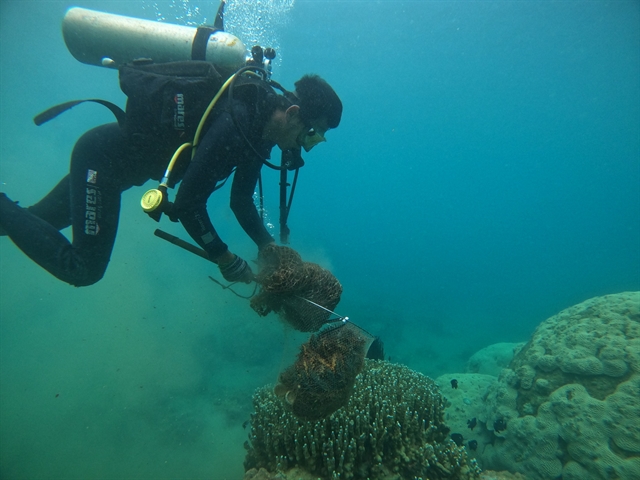 |
| A diver collects waste and fishing nets in coral reefs in the water off the Chàm Islands in Hội An ancient town. The Islands hav been building towards becoming a zero waste destination and eco-tour site in Việt Nam. Photo courtesy of Chàm Islands Nature Reserve |
The Chàm Islands, located about 20km off the coast of Hội An, have called on local fishermen and visitors to bring their waste back to the mainland for treatment instead of disposing of it in landfills on the islands.
The Chàm Islands Nature Reserve, known locally as Cù Lao Chàm, has implemented a range of environmental initiatives over the past two decades, including campaigns promoting plastic-free lifestyles, waste recycling and the elimination of single-use plastic items such as straws and cups. These efforts have helped establish the islands as Việt Nam’s first zero-waste and plastic-free tourism destination.
Despite these achievements, the islands continue to face growing waste-management challenges, generating around five tonnes of waste each day. About half of the daily volume is incinerated, while the remainder is transported to landfill sites.
According to the reserve’s management board, two Material Recovery Facility (MRF) stations have been established and collected more than 33 tonnes of waste over the past two years. The facilities have enabled roughly half of the islands’ daily waste volume to be recycled into compost, helping reduce plastic leakage into the marine environment.
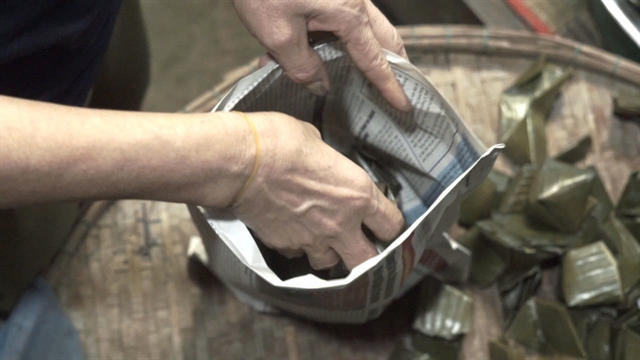 |
| Recycled papers are used for packing snacks on Chàm Islands, off the coast of Hội An ancient town. The islands are the first successful location in Việt Nam to say no to plastic bags. Photo courtesy of Chàm Islands Nature Reserve |
The archipelago, comprising eight islets and home to around 2,400 residents, was the first locality in Việt Nam to successfully promote a ban on plastic bags and implement the “3Rs” principle of reduce, reuse and recycle after being recognised by UNESCO as a World Biosphere Reserve in 2009.
The islands have continued to work with the Global Alliance for Incinerator Alternatives, WWF-Vietnam, the International Union for Conservation of Nature and UNESCO on programmes aimed at eliminating single-use plastics and promoting environmentally friendly alternatives.
As part of these efforts, biodegradable packaging made from banana leaves and recycled paper has been encouraged at Tân Hiệp Market, the islands’ main marketplace and a key shopping destination for local residents.
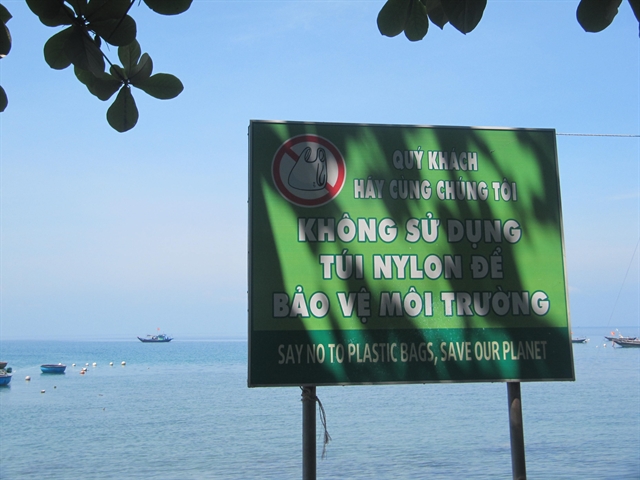 |
| A notice board warning against the use of plastic bags on Chàm Islands off the coast of Hội An ancient town. All tourists and Islanders are warned that plastic bags are banned on the Islands. VNS Photo Công Thành |
The Chàm Islands–Hội An Biosphere Reserve has also encouraged fishermen to collect and sort waste generated during fishing trips and bring it ashore for treatment at authorised waste-processing facilities.
The biosphere reserve welcomes around 400,000 visitors each year, making effective waste management and environmental protection crucial to preserving its ecological value and supporting sustainable tourism development. VNS
Environment
 Environment
 Environment
 Environment
 Environment
 Environment
 Environment
 Environment
 Environment
 Environment
 Environment
 Environment
 Environment
 Environment
 Environment