 Brandinfo

Lotte, Phát Đạt combine strengths in Thu Thiem project
1.
Now 23, Da Pozzo shared his harrowing experience of surviving the illness known as the ‘potentially 24-hour killer disease’ during a press briefing titled “The burden of disease and essential knowledge for preventing invasive meningococcal illness”.
The event, hosted by the Tâm Anh Research Institute (TAMRI) on November 3 in Hồ Chí Minh City and collaborated by Sanofi, formed part of a global awareness campaign for World Meningitis Month, supporting the World Health Organization’s goal to eliminate meningitis by 2030.
 |
| Flavio shared his journey of surviving meningococcal disease during an event in Vietnam on 3 November. Photo by Nhan Le |
At just 17, Flavio was on the brink of signing his first professional football contract. A rising star with a bright future, he brushed off early symptoms - fever, sore throat and fatigue - as a minor flu and continued training. But within hours, Flavio slipped into a deep coma. Doctors diagnosed him with severe meningococcal disease, giving him only a 1 per cent chance of survival. To save his life, surgeons had to amputate one leg due to necrotic blood vessels.
Following this life-altering ordeal, Flavio and his mother, Catherine Nordey, became passionate advocates for meningococcal awareness. “Meningococcal disease may be rare, but even one case is too many. Protect your children before it strikes”, Catherine said.
At the press briefing, Dr Nguyễn An Nghĩa, MD, PhD, Associate Head of the Department of Infectious Neurology at Children’s Hospital 1 in Hồ Chí Minh City, explained that meningococcal bacteria spread through respiratory droplets from infected individuals or asymptomatic carriers. Teenagers are particularly vulnerable, facing a ‘double risk’ as both carriers and potential patients.
The bacteria commonly cause two aggressive forms of illness: meningitis and fulminant septicaemia, sometimes occurring simultaneously. The disease progresses rapidly, with a fatality risk within just 24 hours.
“Without timely treatment, the mortality rate can reach 50 per cent. Even with early diagnosis and intensive care, the rate remains between 10 and 20 per cent. Survivors often suffer devastating consequences such as amputations, paralysis, hearing loss, neurological disorders and memory reduction, all of which severely impact quality of life”, Dr Nghĩa emphasised.
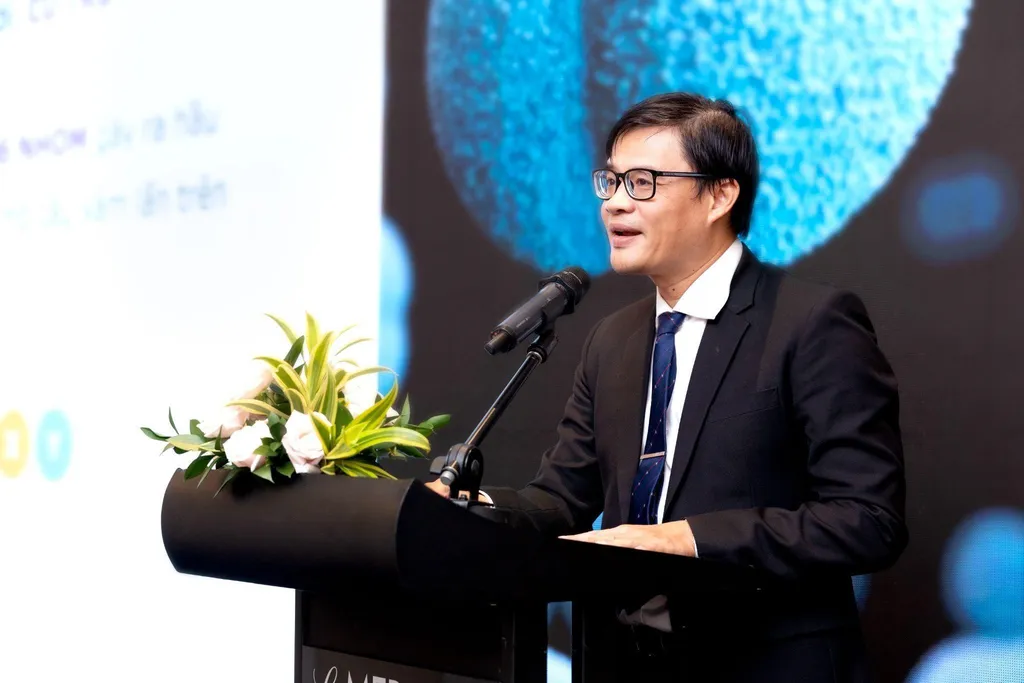 |
| “Adolescents not only face the highest risk of infection but also represent the largest group of healthy carriers,” Dr Nghĩa added. |
In Việt Nam, the serogroups responsible for meningococcal disease fluctuate over time, making prediction difficult. Comprehensive data on disease burden and epidemiology remain limited. Of particular concern is the incidence rate and mortality rate of serogroup W in adolescents.
The World Health Organization recommends vaccination as the most effective strategy to prevent cases and outbreaks. Dr Bach Thi Chinh, Medical Director of VNVC Vaccination Center System, confirmed that Việt Nam now offers vaccines covering five major serogroups: A, B, C, Y and W-135.
“No single vaccine protects against all serogroups. A full combination is essential for comprehensive protection. Many countries have already integrated quadrivalent vaccines such as MenACYW into routine immunisation programmes for adolescents”, Dr Chinh said.
Brandinfo
 Brandinfo
 Brandinfo
 Brandinfo
 Brandinfo
 Brandinfo
 Brandinfo
 Brandinfo
 Brandinfo
 Brandinfo
 Brandinfo
 Brandinfo
 Brandinfo
 Brandinfo
 Brandinfo