 Features
Building talent for Việt Nam's next leap
1.
 |
| BIG TIME: South Korean boy band BIGBANG performs at Mỹ Đình National Stadium in Hà Nội on October 24 and 25. Each concert attracts around 45,000 fans. VNA/VNS Photos |
By Gyeng-chul Kim and Trần Thọ Đạt*
Việt Nam is becoming an attractive stop for international music tours. Large concerts bring visitors, fill hotels and create work for local businesses. They also show that Vietnamese audiences are willing to pay for high-quality cultural experiences. The next question is how Việt Nam can develop its own artists, stories and cultural brands that attract audiences from other countries.
This question reaches beyond entertainment. It concerns the people Việt Nam needs for its next stage of development. A film needs scriptwriters and actors, but also software engineers, producers, lawyers and people who understand overseas markets. A successful game brings together coding, visual art, music and business. We call this 'convergence talent': people with a strong professional foundation who can work across different fields.
South Korea offers useful lessons. Its cultural wave grew through investment in creative businesses, technology, education and international distribution. Việt Nam can learn from this experience while finding its own way. The aim should be a V-Wave with Vietnamese stories and identity, supported by people who can turn ideas into products that audiences value.
In 2005, KAIST opened its Graduate School of Culture Technology. It brought engineering into contact with music, art, games and cultural heritage. This was an unusual step for a university best known for science and technology. It recognised that new industries often grow from connections between established fields.
 |
| SETTING THE STAGE: Performers at the 2025 ‘Anh Trai Say Hi’ concert at Mỹ Đình National Stadium, Hà Nội. Concerts like this have helped build a larger audience for Vietnamese performers. |
Other South Korean universities developed their own approaches. Seoul National University created a graduate school of convergence science and technology. Hanyang University used real-world business problems in project-based learning. At KAIST, digital humanities and computational social sciences further connected technology with the study of people and society.
Such education helped develop skills relevant to games, digital media and cultural production. It was one part of South Korea's progress. Private investment, creative freedom, professional management and access to foreign audiences also mattered. Universities cannot produce a cultural wave on their own. They can, however, prepare people who know how to work in these industries.
Games are a good example. They require reliable software and engaging stories. Their characters must appeal to players, while the business model must sustain production. A team needs several kinds of knowledge and a shared working language. Simply placing students from different departments in one room is not enough.
South Korea also shows how culture can support other activities. Viewers who enjoy a drama may become interested in Korean food, cosmetics or travel. These effects develop over time and differ across markets. For Việt Nam, the practical lesson is to connect cultural production with tourism and consumer products from an early stage, while keeping the quality of the creative work at the centre.
Why this matters
For over four decades, Việt Nam has built a strong manufacturing and export economy. Foreign investment has brought capital, employment and access to international markets. This remains an important source of growth. The nation now needs more domestic firms that can develop products, own brands and earn income from their knowledge.
|
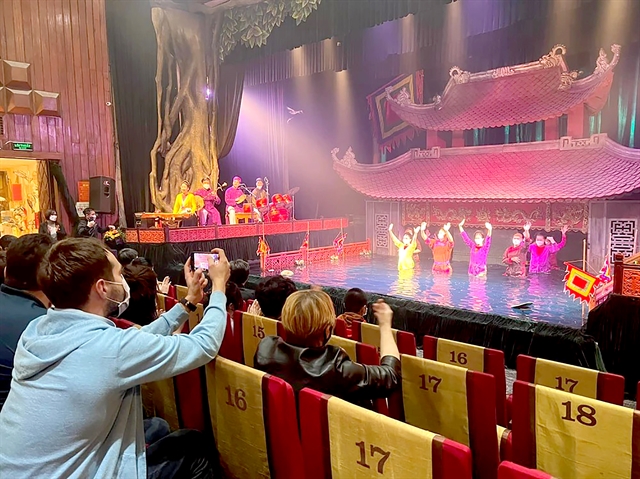
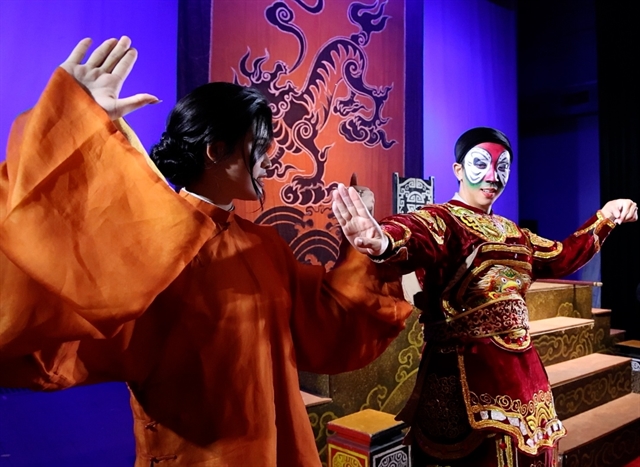
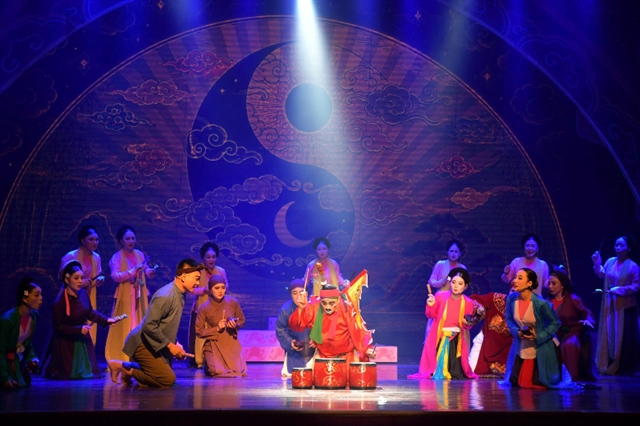
| KEEN TO GET INVOLVED: International tourists are often fascinated by Vietnamese water puppetry. Việt Nam has rich material for creative work, with water puppetry, folk music and local legends offering many possibilities. |
Export value alone does not tell us how much income stays in the country. When design, technology, branding and distribution belong to others, local firms may receive only a limited share of the final price. Raising domestic value requires stronger capabilities in these activities. This applies to manufacturing as well as services.
Cultural and creative industries offer one useful route. Vietnamese firms can own stories, recordings, characters, software and brands. These assets can earn income through different products and markets. A film can lead to official merchandise, a soundtrack or a visitor experience. A game can build a community that supports later releases.
Việt Nam's policy emphasis on science, technology, education and private enterprise provides an opportunity to bring these efforts together. Cultural development can benefit from the same reforms. A small animation studio needs skilled graduates, access to finance and predictable rules, just as a technology start-up does. Policy should make it easier for these firms to grow, hire specialists and work with universities.
The returns are not automatic. Production may fail, distribution can be expensive, and foreign platforms may take a substantial share of revenue. Việt Nam therefore needs people who understand ownership, contracts, audience data and business planning. Creative talent and commercial knowledge must develop together. This is a practical part of improving productivity and building stronger domestic enterprises.
Building the V-Wave
Việt Nam has rich material for creative work. Water puppetry, folk music and local legends offer many possibilities. Everyday life also provides stories about family, migration, work and social change. Food, coffee, traditional crafts and landscapes can help audiences develop a broader interest in the country.
Recent Vietnamese films and music programmes show that domestic audiences respond to local stories presented with care and modern production values. Mưa Đỏ (Red Rain) has drawn attention to historical cinema. Hoàng Thùy Linh's music shows how folk material can find new life in popular songs. Programmes such as Anh trai say hi have helped develop a larger concert audience for Vietnamese performers.
These examples deserve attention, but a popular release is only a beginning. Lasting success requires a steady supply of good work, trained teams and businesses able to finance the next project. Việt Nam needs stronger links between individual creative successes and the wider production system that supports them.
International audiences also need a way into Vietnamese stories. Good subtitles, dubbing, editing and marketing matter. Producers must understand what viewers can follow without losing the meaning of the original work. Overseas Vietnamese professionals and international partners can help with this process. Their value comes from knowing both Vietnamese culture and the expectations of another market.
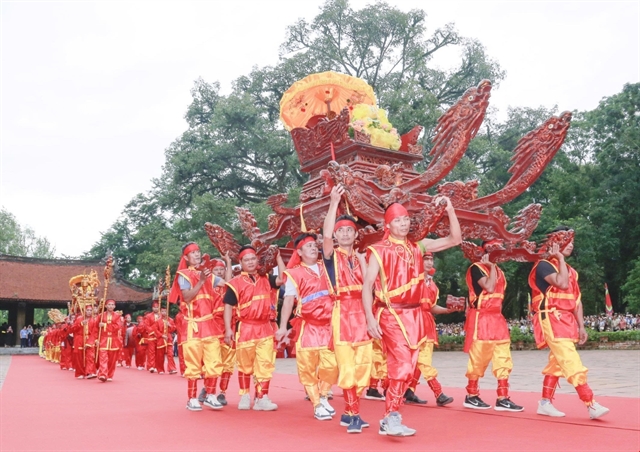
A V-Wave should also reflect the country's diversity. Different regions, ethnic communities and generations have their own experiences to share. Local artists and communities should receive proper credit and fair benefits when their knowledge or traditions become part of a commercial product. Cultural development needs this trust.
The experience of large international concerts makes the economic links visible. Visitors spend on transport, accommodation, meals and shopping. Local suppliers gain work and experience. Yet total tourism spending during a concert weekend should not all be counted as income generated by the concert. Sound evaluation matters when public agencies decide where to invest.
Việt Nam can use these events to improve its ability to organise large performances. Venue quality, transport, crowd safety and clear procedures affect the audience experience. Transparent ticketing can reduce fraud. Reliable contracts help artists, organisers and service providers work together. These basic conditions also benefit Vietnamese performers.
The longer-term opportunity is to develop Vietnamese concerts and festivals that people travel to attend. A local festival could combine contemporary music with traditional instruments, crafts and food. Tour operators could offer related visits to heritage sites. Such links work best when businesses plan together and give visitors clear reasons to stay longer.
Ownership deserves particular attention. Ticket sales provide immediate revenue, while recordings, streaming rights and licensed products may generate income later. Artists and producers need to understand these rights before signing contracts. Fair payment and clear ownership give them a stronger reason to invest in the next project.
Developing talent
There are five steps that can be taken to develop convergence talent. First, universities should begin with practical joint programmes. National universities, technical institutions, arts schools and economics universities have different strengths and can share courses and supervise projects together. New institutes may be useful where demand is clear, but cooperation can begin before a new organisation is established.
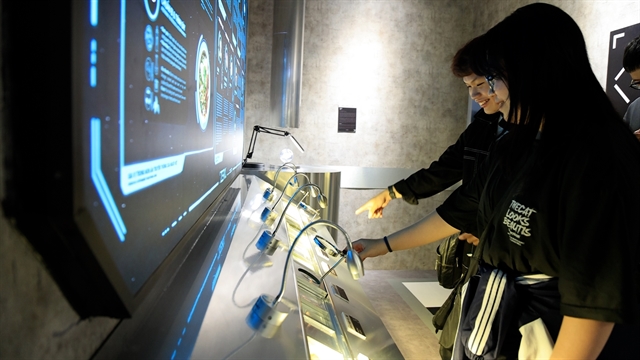
A project could ask engineering students, historians and designers to develop an interactive museum experience. Another could bring business students together with musicians to plan a concert and its revenue model. National Economics University could contribute expertise in finance, marketing, entrepreneurship and policy. Technical and arts partners could contribute their specialist skills.
A useful starting point would be a small group of projects running over one academic year. Each team should have a university supervisor and an industry partner. Students could test their work with users and explain what they changed after receiving feedback. The results would give universities evidence for improving the courses before expanding them. This approach keeps the first steps manageable and makes the learning concrete.
These programmes need working arrangements that recognise shared teaching and supervision. Students should receive credit for joint projects. Lecturers should have time to work with colleagues outside their departments. Studios, museums and game companies should help define assignments and assess the results. Cooperation must be part of normal teaching, rather than an occasional event.
Second, teaching should give more attention to asking questions and making judgements. AI can help students search, draft, translate and test ideas. Students still need to check evidence, explain choices and take responsibility for their work. Assessment should examine this process as well as the final product.
Baek Young-jae's book The Marginal Man offers a useful way to think about these abilities. Drawing on interviews with people who moved across professions, it highlights self-awareness, adaptability, sensible risk-taking, connections between fields and curiosity. These qualities can be practised through unfamiliar assignments, team projects and honest feedback. They should support deep professional knowledge.
Third, connect education with the needs of creative businesses. Việt Nam needs producers, sound engineers, artist managers, copyright specialists and international sales staff alongside performers and programmers. Short courses and workplace training can help people already in employment. Smaller firms also need access to practical advice on contracts, finance and distribution.
Funding should suit the risks of creative work. Early development grants, small pilot projects and transparent competitions can help teams test ideas. Private investors should have clear information about rights, costs and possible revenue. Public support should be reviewed against useful results, including skills developed and products reaching audiences.
Fourth, coordinate culture, tourism and trade more closely. A film location can become part of a travel route. A music event can introduce local food and design. A game can draw interest in Vietnamese history. Such connections need careful planning so that commercial promotion fits naturally with the work and the audience experience.
Local authorities can help by making procedures clear and bringing relevant businesses together. National agencies can support participation in film markets, book fairs and game exhibitions. Progress should be measured through repeat audiences, licensed sales, export contracts and income for Vietnamese creators. The number of events alone tells us little about lasting value.
Fifth, build international partnerships while giving creators room to work. Overseas Vietnamese can assist with translation, production and market access. South Korean universities and companies can offer joint training and projects. Partnerships will be more useful when they involve real work and clear responsibilities, rather than only visits and agreements.
The state has an important role in infrastructure, copyright protection and fair market conditions. Support needs transparent rules and accountability. Within that framework, artists and businesses need space to choose their subjects, test new formats and learn from failure. Long-term creative capacity takes time to develop and cannot be judged only by immediate commercial success.
A V-Wave will grow through many decisions made by students, teachers, artists, businesses and public agencies. Some projects will reach large audiences. Others will serve smaller communities or help preserve cultural knowledge. Both can contribute to a stronger cultural life and a more capable creative economy.
The immediate task is to make cooperation easier. Universities can open joint courses. Companies can offer real projects. Public agencies can improve procedures and protect rights. Creators can find partners who help them reach new audiences while keeping control of their work.
The country already has stories that deserve to travel. It needs more people who can carry those stories across professional and national boundaries. When audiences come to Việt Nam for Vietnamese artists, and Vietnamese works earn a lasting place abroad, the V-Wave will have a firm foundation. VNS
*Gyeng-Chul Kim, PhD, is a former professor at KAIST and COO of VINATECH in Việt Nam. Prof Trần Thọ Đạt is the Chairman of Academic Board at National Economics University in Hà Nội.
Features
 Features
 Features
 Features
 Features
 Features
 Features
 Features
 Features
 Features
 Features
 Features
 Features
 Features
 Features