 Features

TokenPulse Opens Singapore APAC Operating Hub
1.
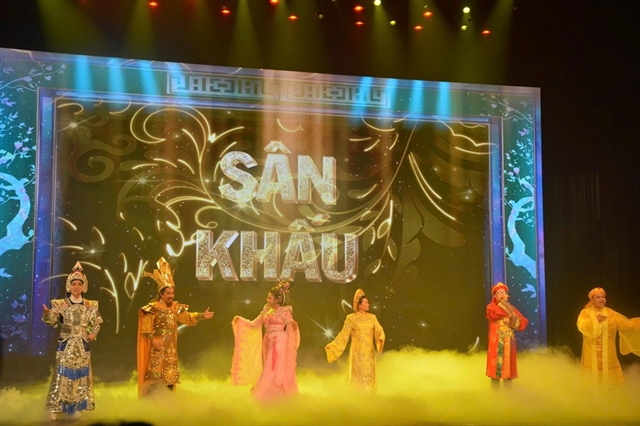 |
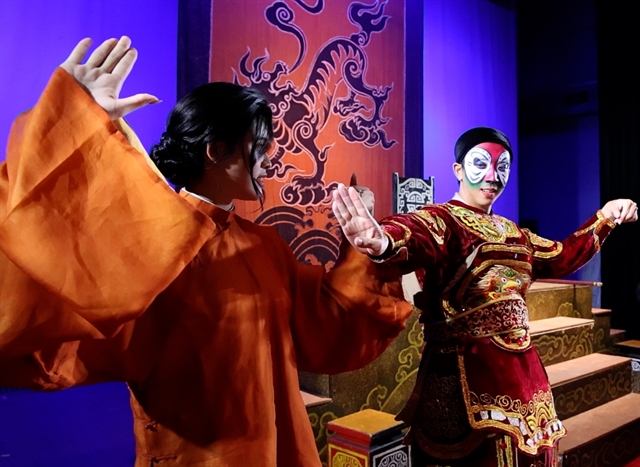
| The 12th day of the eighth lunar month is observed as Vietnamese Theatre Day. — VNA/VNS Photo |
HCM CITY — Rooted in centuries of artistic tradition, Vietnamese theatre is embracing new forms of creativity, technology and audience engagement as it seeks a stronger place in contemporary cultural life.
After thousands of years of nation-building and defence, Việt Nam is proud of its rich, diverse and humane civilisation and culture.
Theatre holds a special place within this heritage, providing a vivid, subtle and accessible expression of the aspirations and values of truth, goodness and beauty cherished by the Vietnamese people.
The 12th day of the eighth lunar month, which fell on September 22 this year and is observed annually as Vietnamese Theatre Day, is not only an occasion to honour the founders of the theatre profession, but also a time to connect generations of artists and remind them of their responsibility to preserve, create and innovate so that Vietnamese theatre can continue to thrive in contemporary life.
As one of the finest expressions of the national artistic tradition, theatre forms such as chèo (traditional opera), tuồng (classical drama), cải lương (reformed theatre) and modern spoken drama have left a deep imprint on the spiritual and aesthetic lives of generations of Vietnamese people.
Together with other art forms, Vietnamese theatre has nurtured a rich, patriotic and humane tradition closely connected with the people and the nation. It has become a source of inner strength, contributing to national construction, defence and sustainable development.
During the two resistance wars for national independence and reunification, artists were present on battlefields and along the front lines, performing to encourage people and soldiers in their work and struggle against foreign aggression.
Theatre became deeply rooted in everyday life, celebrating acts of heroism, inspiring soldiers and sharing the hardships and joys of the people.
Creative renewal
As Việt Nam entered the period of renewal and international integration, its various theatre genres continued to develop in both breadth and depth.
The country’s playwrights have created works of artistic value and social significance, vividly reflecting national renewal, construction and defence. They have celebrated positive values while promoting patriotism, compassion, solidarity and aspirations for a prosperous and happy country.
Through these efforts, theatre has continued to affirm its position in the spiritual and cultural life of the people, contributing to the preservation and promotion of national identity, strengthening national solidarity and fostering social consensus.
The development of Vietnamese theatre has involved both preserving and developing traditional art forms and drawing on world theatre. Many new works have not only met the public’s demand for artistic experiences, but also created opportunities for international exchange and integration.
New operating models have also emerged.
Alongside state-funded institutions, many non-public art organisations have been established, while small-scale theatres, experimental theatre, comedy theatre and café theatre have created additional ways to reach audiences.
A resolution adopted by the Party's Politburo on the development of Vietnamese culture, issued in January 2026 and known as Resolution 80, sets the goal of accelerating the development of an advanced Vietnamese culture imbued with national identity, unified in diversity and characterised by democracy, humanity, science and modernity.
Resolution 80 also calls for literature and the arts to develop in line with the country’s cultural history and stature; for the restoration and preservation of special national relics; for the recovery and protection of intangible cultural heritage and traditional art forms at risk of disappearing; and for stronger development of the cultural industries and a creative-arts ecosystem.
The vision to 2045 is to build and develop a Vietnamese culture in which people are at the centre and cultural values serve as a foundation and standard across social life.
Việt Nam also aims to become an attractive destination for major regional and international cultural and artistic events and one of the dynamic centres of the cultural and creative industries.
To meet these goals, the theatre sector must undergo further transformation to become an important part of the cultural industries.
Recent developments show the sector’s potential. In late July 2026, Hà Nội Chèo Theatre introduced “Nét Duyên Chèo Hà Thành” (The Charm of Hà Nội Chèo), experimenting with a new approach to theatrical production.
Rather than presenting a complete play or a collection of familiar excerpts, the programme was staged as a continuous artistic flow connecting iconic chèo characters such as Thị Mầu, Súy Vân and Lưu Bình-Dương Lễ through modern theatrical language while retaining the spirit of traditional chèo.
The programme marked the beginning of a series of high-quality artistic programmes under the Hà Nội brand aimed at attracting visitors and promoting the capital.
Other stage plays about the daily life and people of Hà Nội have also been staged regularly to explore longer-term performance opportunities and contribute to the development of the cultural industries.
The circus-cải lương production King Trần Nhân Tông, staged by the Việt Nam Circus Federation in collaboration with the National Traditional Theatre of Việt Nam, has continued to attract audiences. Cảm xúc Long Thành (Emotions of Long Thành) by the Việt Nam Puppetry Theatre has also continued to be staged since its debut in late 2025.
These developments indicate that Vietnamese theatre is beginning to move beyond preservation and performance towards creativity, audience development and ways of connecting cultural values with audiences – important steps towards a cultural-industry model.
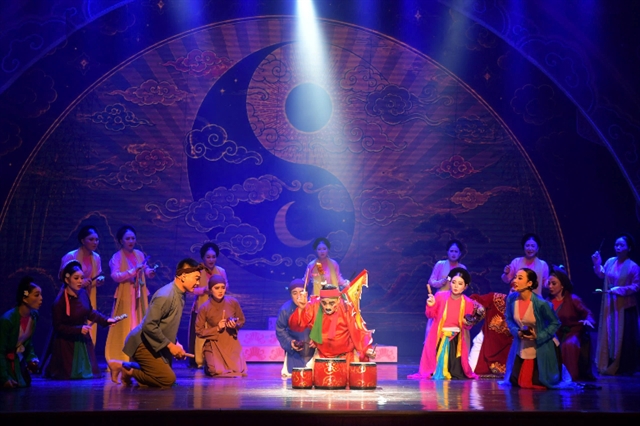 |
| Hà Nội Chèo Theatre experiments with a new approach to theatrical production. — Photo bvhttdl.gov.vn/ |
City stages
Theatre in HCM City is also vibrant in both the public and private sectors.
Thiên Đăng Theatre has made its mark with productions including Thiên đường Pormax (Pormax Paradise), Cô giáo Duyên (Teacher Duyên) and Những Con Ma Nhà Hát (The Theatre Ghosts).
Small Theatre 5B has introduced Đêm Vượn Hú (The Howling Gibbons), Xóm Phông Bạt (The Pretentious Neighbourhood) and Ngôi Nhà Thiếu Đàn Bà (The House Without Women).
IDECAF Theatre has attracted audiences with Dưới Bóng Giai Nhân (In the Shadow of the Beauty), Quạ Hồng Tung Cánh (The Red Crow Takes Flight) and Bí Mật Lệ Chi Viên (The Secret of Lệ Chi Viên), while Thế Giới Trẻ Theatre has staged “Hồn Ma Cô Đào Hát (The Ghost of the Actress) and Gánh Hát Về Khuya (The Theatre Troupe After Dark).
Productions by private drama troupes, Gia Định Circus Theatre and HCM City Drama Theatre have added to the city's diverse theatrical landscape.
The vitality of the city’s theatre scene is being sustained not only by artists’ passion for their profession but also by changes in creative thinking.
While many productions previously focused on familiar stories or took a largely illustrative approach, an increasing number of recent works have explored contemporary issues affecting young people and modern urban society.
Innovation is also evident in theatrical forms. Many productions have adopted faster pacing, increased audience interaction, placed greater emphasis on visual elements and developed more multidimensional characters.
New formats such as staged readings, short plays, café theatre and experimental theatre projects have expanded the creative boundaries of the performing arts and helped theatre adapt to modern urban life.
Another notable development is the movement to take theatre beyond traditional venues.
HCM City Hát bội Theatre, Trần Hữu Trang Cải Lương Theatre and private arts organisations including Đại Việt New Cải Lương Theatre, Huỳnh Long Traditional Cải Lương Troupe, Sen Việt and Chí Linh-Vân Hà have organised performances at book streets, historical sites, public spaces and tourism destinations.
This shift shows that theatre is no longer confined to performance venues, but is gradually connecting with other aspects of city life.
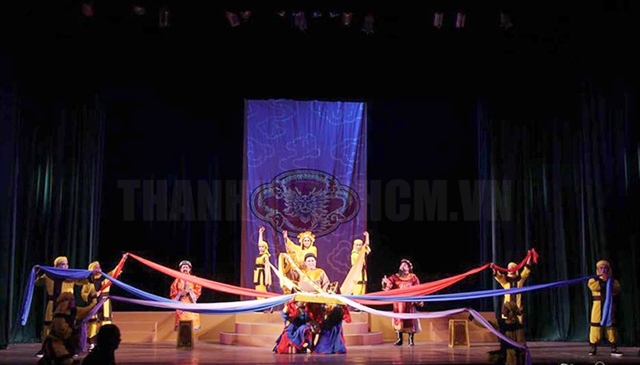 |
| HCM City Hát bội Theatre has explored contemporary issues facing young people and modern urban society in its new plays. — Photo courtesy of hcmcpv.org.vn |
Digital theatre
Vietnamese theatre is also making stronger use of digital platforms through investment in social media pages, online ticketing, digitised archives and multi-channel communications.
The National Traditional Theatre of Việt Nam has launched an information portal and online ticketing system, bringing materials on tuồng, chèo and cải lương together on a specialised digital platform.
Việt Nam Drama Theatre is also strengthening its digital presence.
Its social media page regularly updates performance schedules, artists’ images, trailers, backstage content and professional activities. Productions such as Bác Hồ - Một Tình Yêu Bao La (Great Love of Uncle Hồ), Điều Còn Lại (What Remains) and Mặt Nạ Người (The Mask of a Person) have been promoted widely on social media, while digital platforms account for a large share of ticket bookings.
Hà Nội Drama Theatre has similarly used social media to promote productions such as Huyền Tích Hồ Gươm (The Legend of Hồ Gươm), Ai là Cha Tôi (Who Is My Father?) and Lời Bà Kể (Grandmother’s Story), with videos produced by the theatre’s own artists and performers attracting public attention.
Tuổi Trẻ Theatre is following the same direction, regularly promoting productions such as Quân khu Nam Đồng (Nam Đồng Military Quarter), Lọ Lem - Chiếc Giày Thủy Tinh (Cinderella – The Glass Slipper) and Bầy Chim Thiên Nga (The Flock of Swans) through trailers, backstage footage and content featuring its artists. Its integrated online ticketing system also makes performances more accessible to audiences.
Vietnamese theatre possesses rich cultural resources rooted in national identity, but that value can only be fully realised when productions find audiences and establish a sustainable life beyond their initial performances.
A good production is only the starting point. To become a cultural product, a work needs a market, opportunities for continued performance and resources for reinvestment in creativity.
Closer connections between theatre and tourism, education, technology and communications could open new development opportunities, allowing productions to generate both artistic and economic value.
Such an approach can help Vietnamese theatre preserve its heritage while adapting to contemporary audiences, strengthening its place within the cultural industries and contributing to Việt Nam’s cultural soft power. — VNS
Features
 Features
 Features
 Features
 Features
 Features
 Features
 Features
 Features
 Features
 Features
 Features
 Features
 Features
 Features