 Society

Drive to Great: BAIC FOTON Africa Partners Conference Set to Open
1.
|
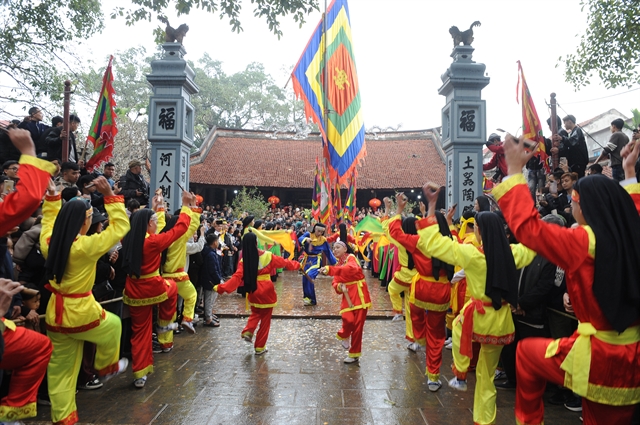
| Thổ Hà Spring Festival in Vân Hà Ward, Bắc Ninh City, a national intangible cultural heritage. Photos courtesy of Bắc Ninh Province |
BẮC NINH — From the melodies of quan họ folk singing and traditions of learning and scholarship to images of a modern, dynamic city, the special art programme Kinh Bắc Heritage – Reaching New Heights offered a journey through Bắc Ninh’s past, present and future.
Organised by the Bắc Ninh City Party Committee, People’s Council, People’s Committee and Việt Nam Fatherland Front Committee to celebrate the establishment of Bắc Ninh City and the conferment of a first-class Labour Order, the programme highlighted the historical, cultural and revolutionary traditions of the Kinh Bắc region while expressing aspirations for the city’s development in a new era.
From Kinh Bắc heritage to a modern city
The programme was divided into three chapters: Kinh Bắc – A Convergence of Values, Bắc Ninh – Reaching New Heights, and Bắc Ninh – Moving in Step with the Nation.
Together, the three chapters traced a continuous flow from history and culture to revolutionary traditions and, ultimately, Bắc Ninh’s vision for a new phase of development.
|
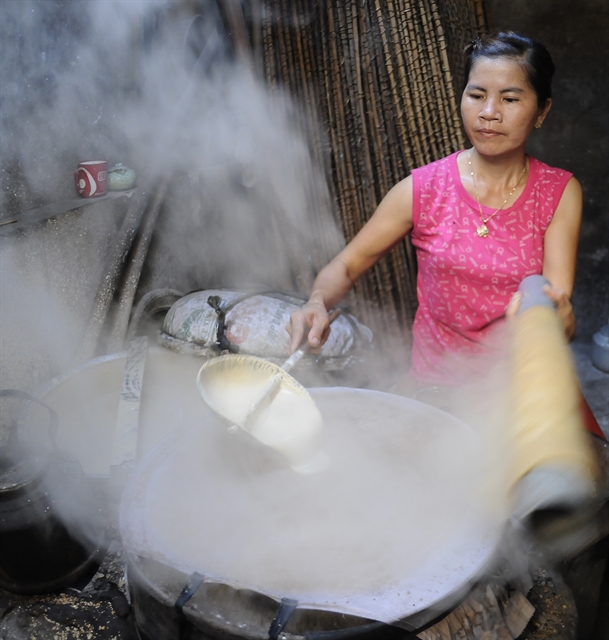
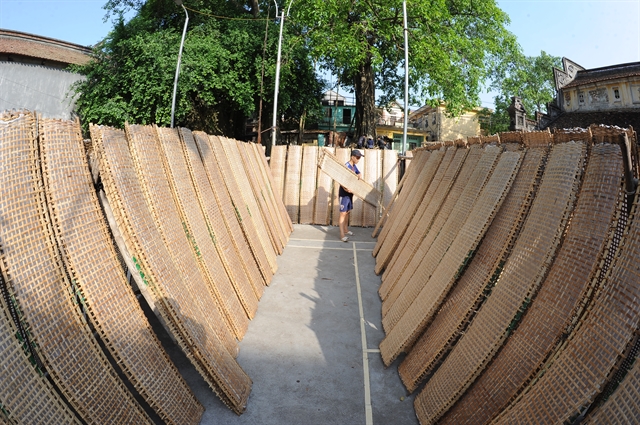
| A local artisan makes rice paper wrappers in Thổ Hà Village, Vân Hà Ward, Bắc Ninh City. |
The opening performances transported the audience to Kinh Bắc, a land long associated with history, scholarship and cultural traditions. Through music, dance and visual effects, the programme evoked the ancient citadel of Luy Lâu, the region’s tradition of learning and respect for talent, and distinctive cultural values passed down through generations.
The first chapter portrayed the formation and enrichment of Kinh Bắc’s cultural identity. Historical landmarks, Buddhism, quan họ folk singing, Đông Hồ folk paintings and the tradition of scholarship were woven into a series of artistic performances.
Historical figures associated with the region, including King Lý Thái Tổ, scholar Thân Nhân Trung, anti-colonial leader Hoàng Hoa Thám, late Party General Secretary Nguyễn Văn Cừ and Lieutenant General Lê Quang Đạo, were also brought to the stage, highlighting the region’s historical, cultural and revolutionary legacy.
The programme then moved to the years of national resistance, recalling the patriotism and resilience of the people of Kinh Bắc through the two wars for national independence.
President Hồ Chí Minh’s close ties with Kinh Bắc-Bắc Ninh, reflected in his visits to the locality, were also evoked through music and stage performances. Melodies recalling Hà Bắc and a difficult yet meaningful period in the nation’s history added an emotional dimension to the programme.
Quan họ continued to serve as a cultural thread running through the performance. Traditional folk melodies were combined with contemporary staging techniques, demonstrating how the heritage remains relevant and vibrant in modern life.
|
| Rice paper wrapper production in Thổ Hà Village, Vân Hà Ward, Bắc Ninh City. |
The second chapter shifted the focus to the city’s new development trajectory.
Through instrumental music, choreography and modern stage technology, the performances portrayed a changing development landscape, with resources being mobilised, cultural heritage being promoted, and cultural-historical tourism and cultural industries receiving greater attention.
The chapter also highlighted human creativity and the ambition to build Bắc Ninh into a modern, dynamic and liveable city while preserving Kinh Bắc’s distinctive cultural identity.
|
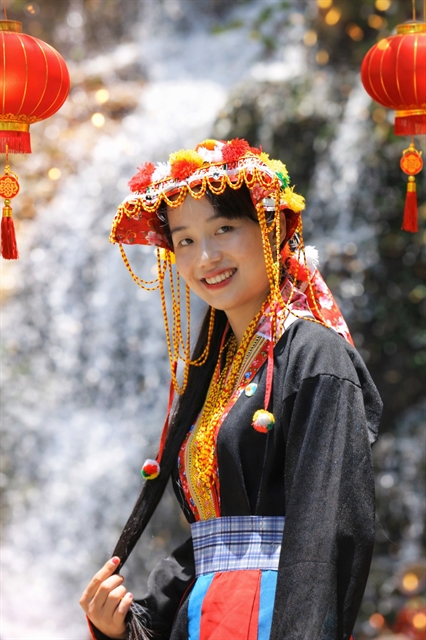
| A Dao ethnic woman near Ba Tia Waterfall, an attractive eco-tourism destination near the sacred Yên Tử historical site in Bắc Ninh City. |
The final chapter brought a youthful, contemporary atmosphere to the stage. Music, dance and modern visual technology were combined with songs celebrating the homeland and the country, expressing pride in the region and aspirations for the future.
The programme concluded with the song Nối vòng tay lớn (The Great Circle of Việt Nam) and a spectacular fireworks display, bringing the celebration to a festive close.
Pride in the homeland, hopes for the future
As the programme drew near, the atmosphere around February 3 Square in Bắc Giang Ward became increasingly lively.
People from different parts of Bắc Ninh City streamed towards the square, with many arriving early to secure a place and take part in celebrations marking the establishment of the new city.
For many, the event was more than an evening of entertainment. It was an opportunity to witness an important milestone in the development of their homeland and share hopes for the years ahead.
Phạm Kim Sơn, from Kép Commune, arrived in Bắc Giang Ward in the afternoon to wait for the programme.
He said he decided to come early because he expected large crowds and was worried that arriving late would make it difficult to enter the venue.
“This is a very special occasion for the people of Bắc Ninh. I wanted to be here in person and experience the atmosphere as our hometown marks the establishment of Bắc Ninh City. For local people, it is a great source of joy and pride,” he said.
Sơn said he had witnessed significant changes in his hometown in recent years and regarded the establishment of Bắc Ninh City as a memorable milestone that could open up broader and more dynamic development opportunities.
He hoped the city would continue investing in infrastructure and transport, improving urban landscapes and developing public facilities, while preserving and promoting Kinh Bắc’s cultural values, particularly quan họ folk singing.
|
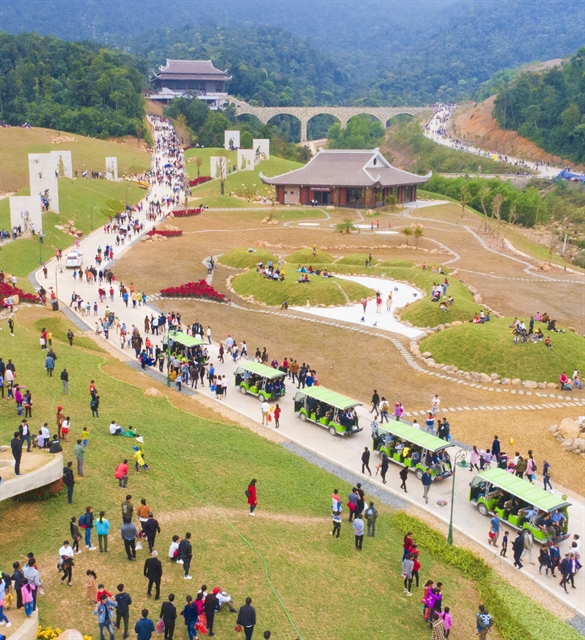
| Electric vehicles transport visitors to the cable-car station at the Tây Yên Tử spiritual and ecological tourism site in Bắc Ninh City. From there, visitors can travel by cable car to Đồng Pagoda in Quảng Ninh Province, part of the Yên Tử-Vĩnh Nghiêm-Côn Sơn-Kiếp Bạc complex, which has been recognised by UNESCO as a World Cultural Heritage site. |
For 70-year-old Đồng Ngọc Dương, who has lived in Hà Nội for many years, returning to his native Bắc Ninh for the occasion was an emotional experience.
Despite living away from his hometown, he said every step forward made by Bắc Ninh remained a source of happiness and pride.
He hoped the city would develop its infrastructure, transport, education, healthcare and cultural facilities in a balanced manner and improve residents’ quality of life. At the same time, he stressed that urban development should go hand in hand with preserving the cultural identity of Kinh Bắc.
“I hope Bắc Ninh will develop without losing its identity. A modern city should still retain the spirit of Kinh Bắc, including its tradition of learning, sense of community and the cultural values built by generations,” Dương said.
For younger residents, the new city also represents opportunities for education, careers and participation in the development of their hometown.
Ninh Hà, a local student, said she felt happy and proud to see Bắc Ninh reach another milestone in its development.
“I hope the city will continue to develop and provide a modern learning environment where students can access new knowledge and technologies. I also hope there will be more businesses, production facilities, research centres and training institutions, creating suitable job opportunities for young people after graduation,” she said.
“When we have good opportunities to study and work in our hometown, we will have more chances to contribute to Bắc Ninh,” Hà added.
|
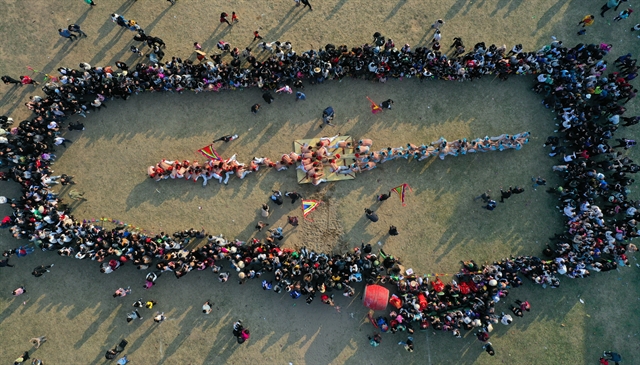
| A tug-of-war ritual and game in Hữu Chấp, Kinh Bắc Ward, Bắc Ninh City. The heritage has been recognised by UNESCO as Representative Intangible Cultural Heritage of Humanity. |
From the lively crowds at February 3 Square to the hopes expressed by residents of different generations, the establishment of Bắc Ninh City represents more than a new chapter in the locality’s development.
It has also provided an occasion for people to reconnect with their cultural roots and look towards the future with a shared sense of pride and expectation.
As Bắc Ninh moves towards a more modern and dynamic urban future, the cultural heritage of Kinh Bắc, from quan họ folk singing and Đông Hồ paintings to traditional crafts, festivals and historic landscapes, remains an important part of the city’s identity.
The challenge and opportunity ahead are closely intertwined: to build a modern city while ensuring that the cultural heritage that shaped Kinh Bắc continues to thrive in contemporary Bắc Ninh. — VNS
Society
 Society
.jpg) Society
Society
 Society
 Society
 Society
 Society
 Society
 Society
 Society
 Society
 Society
 Society
 Society
 Society