 Society
Việt Nam, EU and Belgium seek deeper, practical cooperation
1.
|
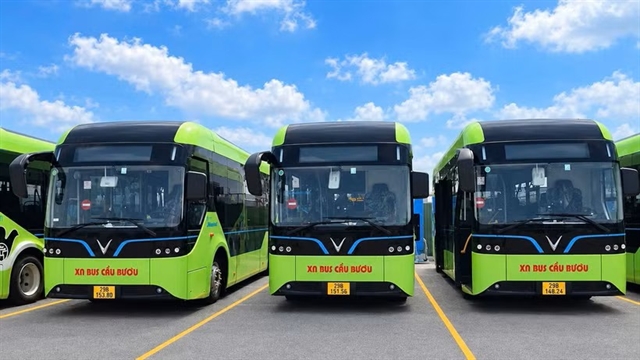
| Under Hà Nội’s plan, all gasoline- and diesel-powered buses in the city are scheduled to be replaced with electric or other green-energy vehicles by 2030. VNA/VNS Illustrative Photo |
HÀ NỘI – The Hanoi Transport Corporation (Transerco) on October 5 put 28 medium-capacity electric buses into operation on routes 22A (Gia Lâm Bus Station – Kiến Hưng Urban Area) and 22B (Giáp Bát Bus Station – Đô Nghĩa), replacing diesel-powered vehicles.
The move is expected to provide residents with greener transport options while contributing to the capital’s efforts to reduce emissions and build a modern, environmentally friendly public transport system.
The new VinFast Green Bus vehicles, manufactured in 2026, have a capacity of 60 passengers. They are equipped with low floors for easier boarding, facilities for people with disabilities, air conditioning and other modern amenities to improve passengers’ comfort and travel experience.
Transerco has also adjusted the operating schedule of route 22B from October 5. The service runs from 5am to 9pm from one end and from 5.05am to 9pm from the other, with a frequency of 23–35 minutes per trip.
The corporation said the deployment of electric buses on the two routes is part of its green transition roadmap through the end of 2026, with a target of a green fleet ratio of more than 51 per cent.
Under Hà Nội’s plan, all gasoline- and diesel-powered buses in the city are scheduled to be replaced with electric or other green-energy vehicles by 2030, with priority given to inner-city routes.
To achieve the target, Hà Nội is working to develop support policies for transport operators, expand charging infrastructure at bus terminals and depots, and promote smart transport management, including interconnected e-ticketing and digital transport data.
The transition to electric buses is regarded as a key solution to reducing transport emissions and advancing Hà Nội’s vision of green, smart and sustainable urban development. VNA/VNS
Society
 Society
 Society
 Society
 Society
 Society
 Society
 Society
 Society
 Society
 Society
 Society
 Society
 Society
 Society