 Society
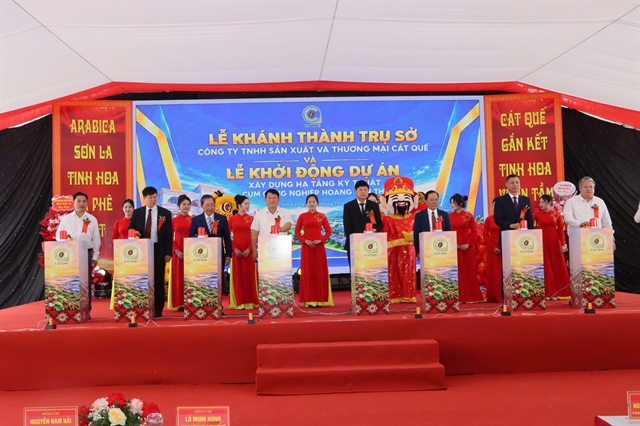
Sơn La launches $24 million industrial cluster project
1.
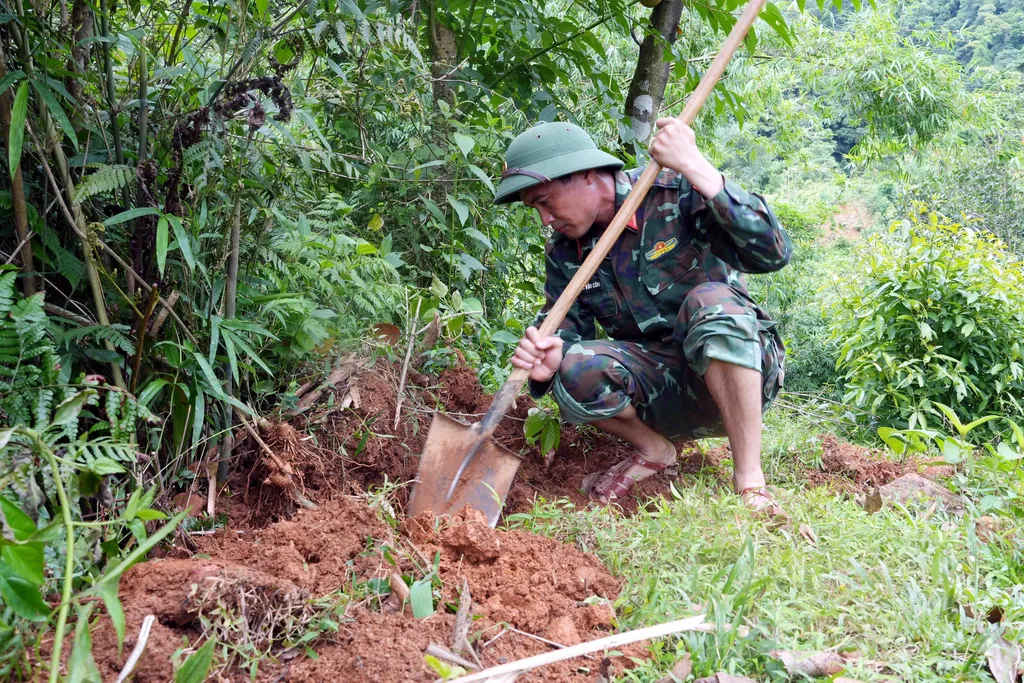 |
| Major Lương Văn Công carefully removes layer after layer of soil in the hope of recovering the remains of fallen soldiers at the Khe Cha Lỳ site in Khe Sanh Commune, Quảng Trị Province. — VNA/VNS Photos |
HÀ NỘI — Beneath the blistering summer sun in the central province of Quảng Trị, officers and soldiers of Team 584 under the Political Department of the provincial Military Command work methodically among the rows of graves at Road 9 National Martyrs' Cemetery, where more than 10,000 fallen soldiers are buried.
Their task is painstaking. Every excavation must be carried out with exceptional care so that DNA samples can be collected from unidentified remains without disturbing the integrity of each grave.
Captain Nguyễn Văn Hùng, a member of Team 584, said every stage of the work demands speed without sacrificing precision.
Despite the intense heat and difficult outdoor conditions, officers and soldiers remain fully committed to the task, determined to carry it out to the highest standards.
"It is a great honour and source of pride to contribute, even in a small way, to this meaningful mission and help restore the identities of martyrs whose information has been lost," he said.
To minimise disturbance to the graves, the team designed a mobile pulley system using support frames, chains and wheeled supports. The innovation reduces heavy manual lifting, speeds up excavation and, most importantly, preserves the original structure of each grave.
Alongside the excavation and DNA sampling, every piece of information is photographed, recorded and digitised to support future comparison and identification.
According to the Quảng Trị Department of Home Affairs, more than 22,000 unidentified graves across the province will undergo excavation and DNA sampling during the campaign.
The same quiet determination can be found hundreds of kilometres away at Tri Tôn Martyrs' Cemetery in An Giang Province.
There, officers, soldiers and technical specialists carefully remove layers of soil and stone, document each grave, photograph the remains and digitise all available information. Every step is carried out with meticulous precision and profound respect for those who sacrificed their lives for the nation and while carrying out international duties.
According to the provincial Steering Committee 515 for the search, recovery and identification of martyrs' remains, An Giang is home to 20 martyrs' cemeteries containing 35,945 graves, of which 15,753 remain unidentified.
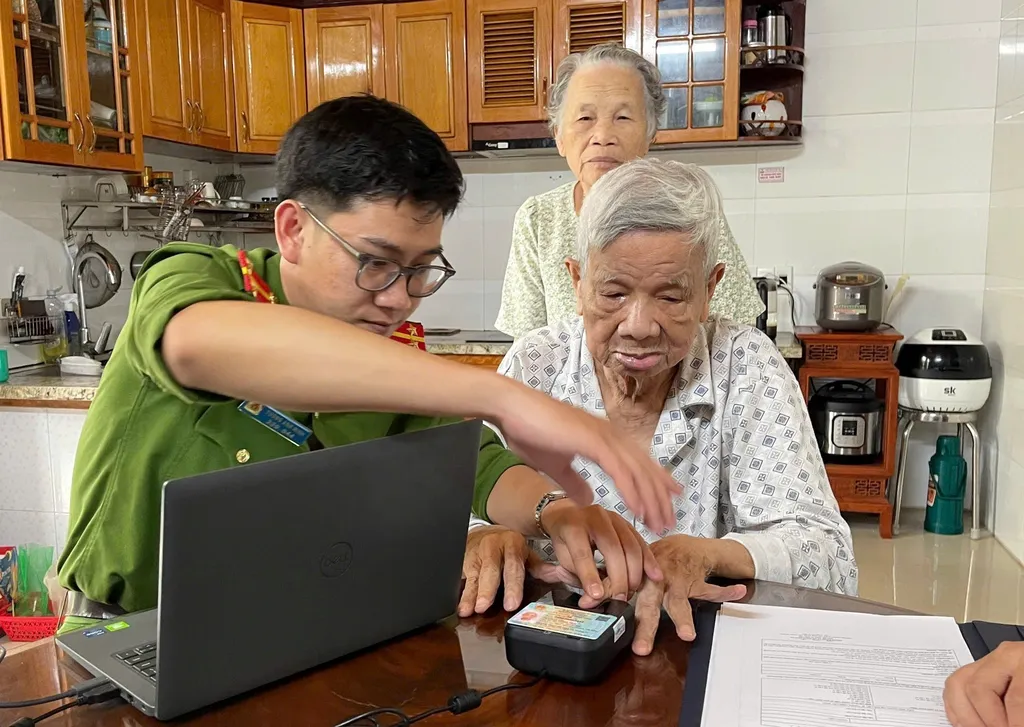 |
| Police officers in Quảng Trị Province assist relatives of fallen soldiers with registration and DNA sample collection. |
At Tri Tôn Martyrs' Cemetery alone, 580 of the 1,185 graves still lack sufficient identifying information and require DNA sampling.
Colonel Cao Minh Tâm, Deputy Political Commissar of the An Giang Provincial Military Command, said although the province joined the campaign later than others in Military Region 9 and has faced both time constraints and difficult weather conditions, it remains determined to complete the work before April 30, 2027, in line with the Government's directive.
Driven, as he put it, by "an order from the heart", the province views the campaign as far more than an administrative assignment.
"This is not simply a political task," he said. "It is a profound expression of gratitude by the Party and the State to the families and relatives of fallen soldiers."
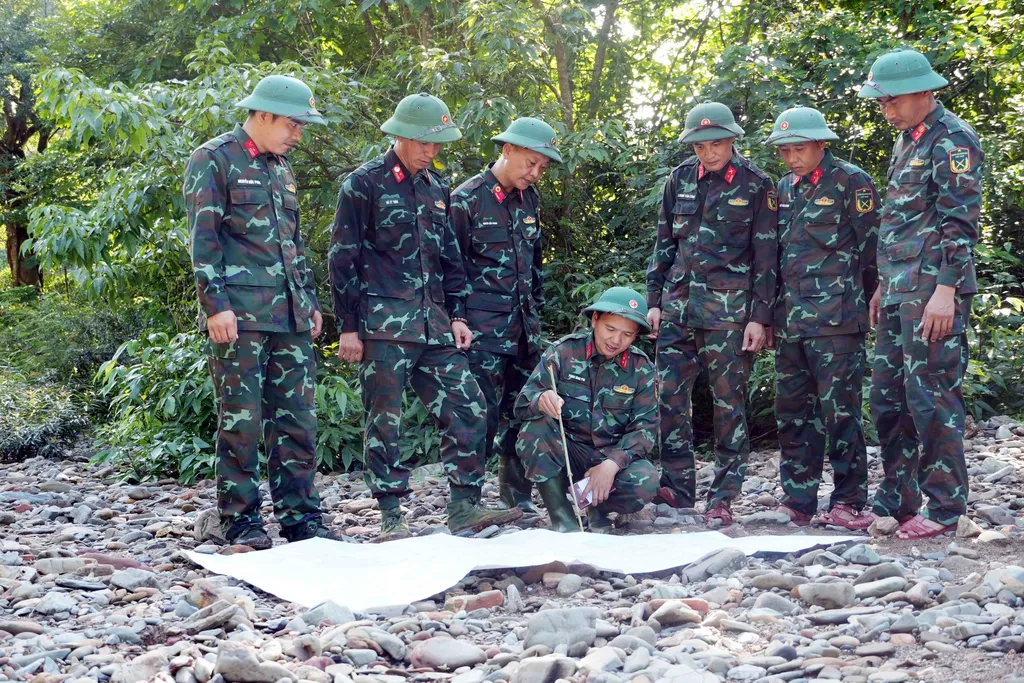 |
| Members of the Martyrs' Remains Recovery Team under Economic-Defence Unit 337 of Military Region 4 determine the search area before beginning the recovery operation. |
DNA unlocking the path to reunion
If painstaking fieldwork provides the evidence, DNA technology offers the key to finally identifying thousands of unknown martyrs.
A nationwide programme to collect DNA samples from relatives of unidentified martyrs, jointly organised by the Ministry of Public Security and local authorities, is giving thousands of families renewed hope after decades of uncertainty.
At collection sites across the country, elderly relatives patiently wait their turn, many carrying faded death notices that contain little more than a few lines of information preserved for decades.
For them, a DNA sample is far more than scientific data. It represents the possibility of ending a search that has spanned generations.
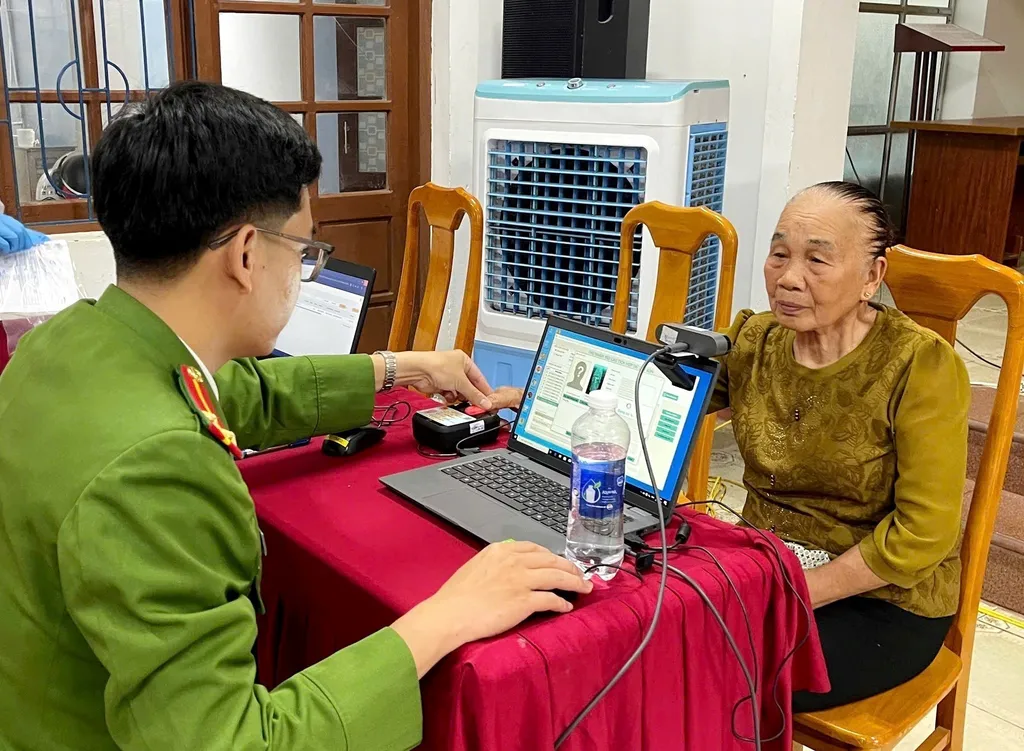 |
| Police in Quảng Trị Province, in coordination with relevant agencies, review records, verify relatives of fallen soldiers and collect DNA samples to accelerate efforts to identify the unidentified martyrs. |
At a DNA collection site in Nam Hồng Lĩnh Ward in Hà Tĩnh Province, 74-year-old Nguyễn Thị Mai from Trường Lưu Commune quietly waited to provide her sample.
Her mother lost two sons during the war, yet their final resting places have never been identified.
Fighting back tears, Mai said her family's greatest wish was simply to bring her brothers home.
"I am too old to keep searching," she said. "When I learned about the 500-Day Campaign, I felt hopeful that they might finally come home."
Nguyễn Huỳnh Phan, a relative of martyr Dương Công Nghiệp in An Giang Province, shared the same hope after providing a DNA sample.
"This is a deeply meaningful initiative that gives families hope in the search to identify their loved ones," he said.
Recognising that many relatives are elderly and have difficulty travelling, police officers in An Giang have taken mobile DNA collection equipment directly to people's homes.
Lê Văn Phước, Vice Chairman of the An Giang People's Committee and head of the provincial Steering Committee 515, said the campaign's objective extends well beyond collecting samples or digitising records.
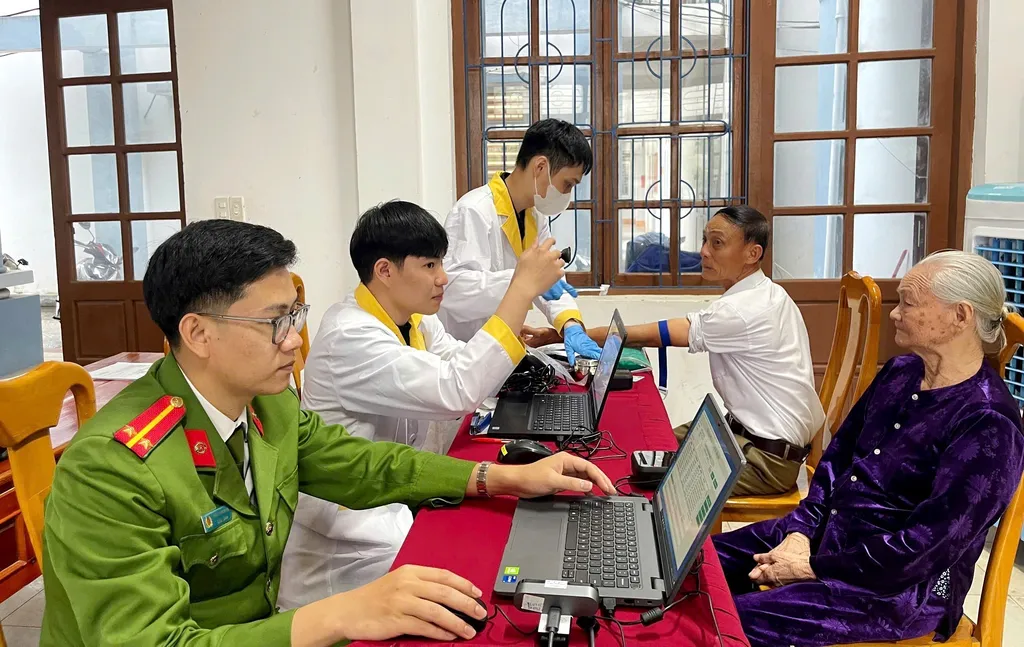 |
| By the end of June 2026, Quảng Trị Province had uploaded records of 4,446 unidentified martyrs to the National Population Database and collected 2,771 DNA samples from relatives of 2,138 fallen soldiers to support identity matching. |
"The more important goal is to establish a scientific foundation that will enable more martyrs to be identified in the years ahead," he said.
After completing DNA collection from unidentified graves by April 30, 2027, the province will continue sampling graves that contain partial information but cannot yet be conclusively identified.
As DNA analysis technology continues to improve, he said, the chances of restoring the names of unknown martyrs will only increase.
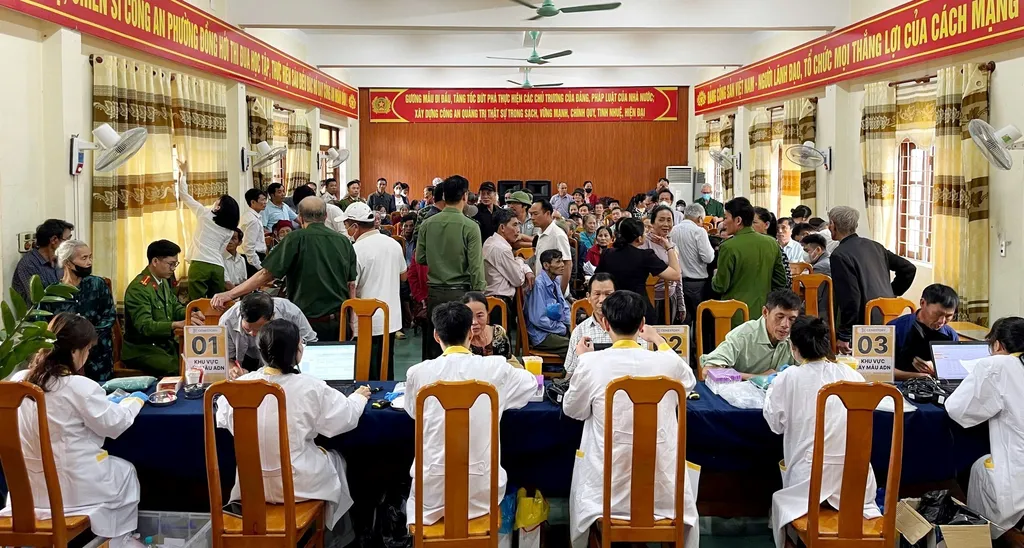 |
| Police in Quảng Trị Province, in coordination with relevant agencies, review records, verify relatives of fallen soldiers and collect DNA samples to accelerate efforts to identify the unidentified martyrs. |
A nationwide commitment
Running from March 15, 2026, to July 27, 2027, ahead of the 80th anniversary of War Invalids and Martyrs' Day, the campaign is one of the country's most ambitious efforts to account for those still missing after decades of war.
Its objectives include recovering around 7,000 sets of martyrs' remains, collecting DNA samples from approximately 230,000 unidentified graves and newly recovered remains, conducting DNA analysis on 18,000 samples, establishing a national genetic database for relatives of unidentified martyrs and accelerating unexploded ordnance clearance in key search areas, including Vị Xuyên in Tuyên Quang Province, Lào Cai, Lạng Sơn and other locations believed to contain wartime burial sites.
Just over four months after its launch, the campaign has already recovered nearly 1,400 sets of martyrs' remains nationwide.
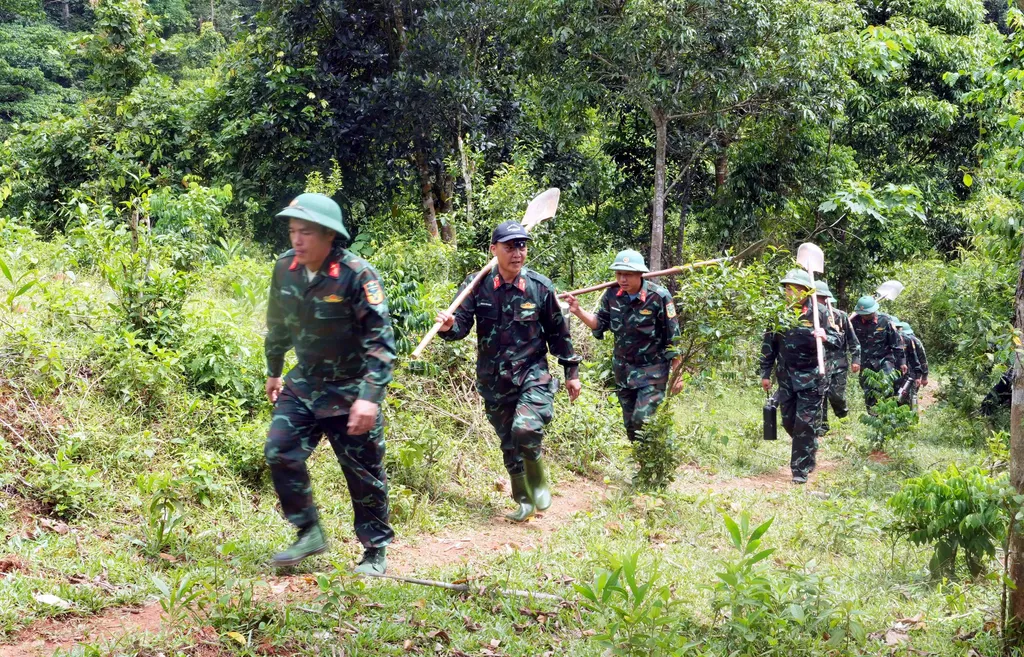 |
| Many search sites lie deep in the forest, requiring members of the Martyrs' Remains Recovery Team under Economic-Defence Unit 337 of Military Region 4 to travel by motorcycle and trek for hours to reach them. |
In Tuyên Quang Province, authorities have located five graves.
At Lê Thị Riêng Park in HCM City, recovery teams under the HCM City High Command had, by July 18, recovered 100 sets of remains, two collective burial sites and numerous personal artefacts. During the operation, one martyr was identified as Huỳnh Văn Quên, from what is now Tây Ninh Province.
Authorities have also identified several locations believed to contain significant wartime burial sites, including Câu Nhi in Nam Hải Lăng Commune, Quảng Trị Province, where Battalion 6 of Regiment 88, Division 308 fought a fierce battle on May 26, 1972; Trường Chinh Street in Quảng Ngãi Province; and Diên Khánh Prison in Khánh Hòa Province.
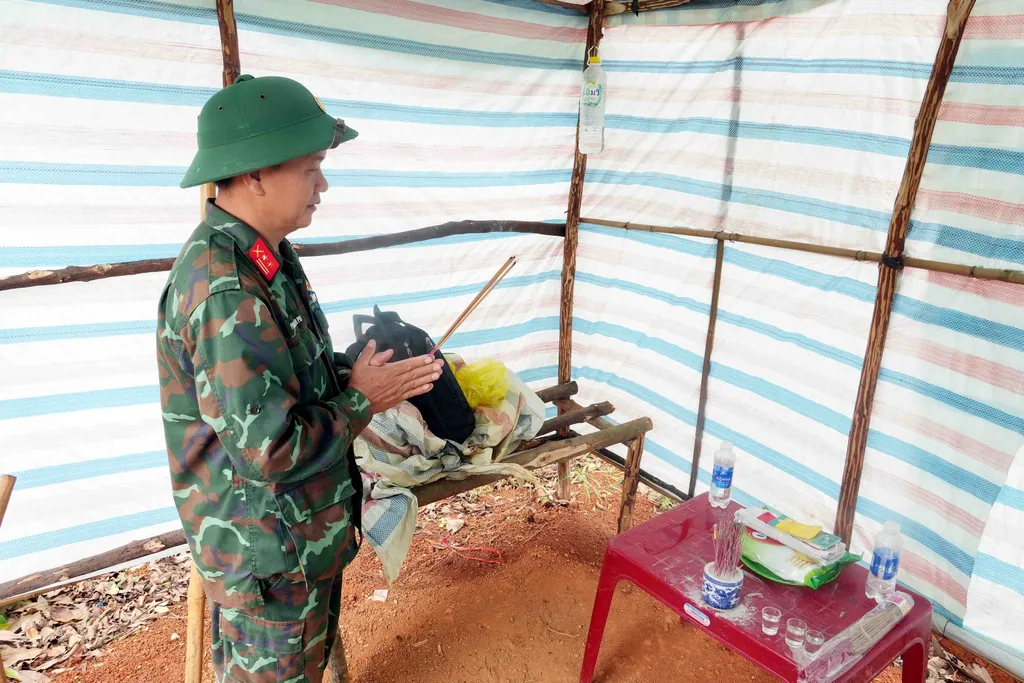 |
| Lieutenant Colonel Phan Đình Phi, head of the Martyrs' Remains Recovery Team under Economic-Defence Unit 337 of Military Region 4, lights incense before each search mission for the remains of fallen soldiers. |
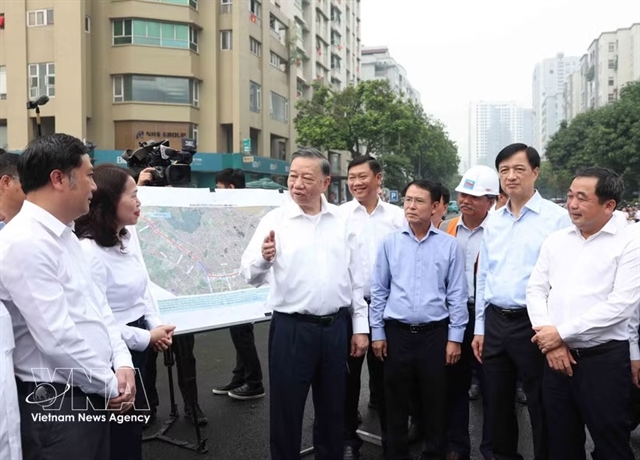
During a visit to Lê Thị Riêng Park on July 17, Party General Secretary and State President Tô Lâm met personnel taking part in the recovery operation and reaffirmed that searching for, recovering and identifying fallen soldiers remains a sacred responsibility of the Party, the State and the Vietnamese people.
"The Vietnamese people and the Party will never forget those who laid down their lives for the country and the nation. This is both a moral obligation and a cherished cultural tradition," he said.
"Every set of remains recovered today is not only the result of professional work, but the return of a son or daughter to the nation and to their family. It is also the return of a part of our history and a reaffirmation of Việt Nam's enduring tradition of gratitude."
He called for the campaign to continue with greater determination, broader scope and more tangible results, while urging authorities to develop a model that could be replicated nationwide to maximise the recovery and identification of martyrs and reunite them with their families.
He also called for significant recovery sites to be preserved as places of remembrance and historical education for future generations.
Earlier, Prime Minister Lê Minh Hưng attended the launch ceremony for the recovery operation at Lê Thị Riêng Park.
He stressed that every possible effort must be made to bring fallen heroes back to their families and hometowns, urging all participating agencies to carry out the work scientifically, safely, methodically and with the utmost care.
Every trace preserved intact, he said, may provide another vital clue to identifying a fallen soldier.
For many Vietnamese families, the wait has lasted more than half a century. While science cannot erase the losses of war, it is helping answer questions that have remained unresolved for generations.
Through the combined efforts of recovery teams, forensic specialists, public security forces, local authorities and families across the country, the 500-Day Campaign seeks to ensure that every fallen hero, wherever possible, is no longer remembered simply as unknown, but by name, with dignity, and finally returned home. — VNS
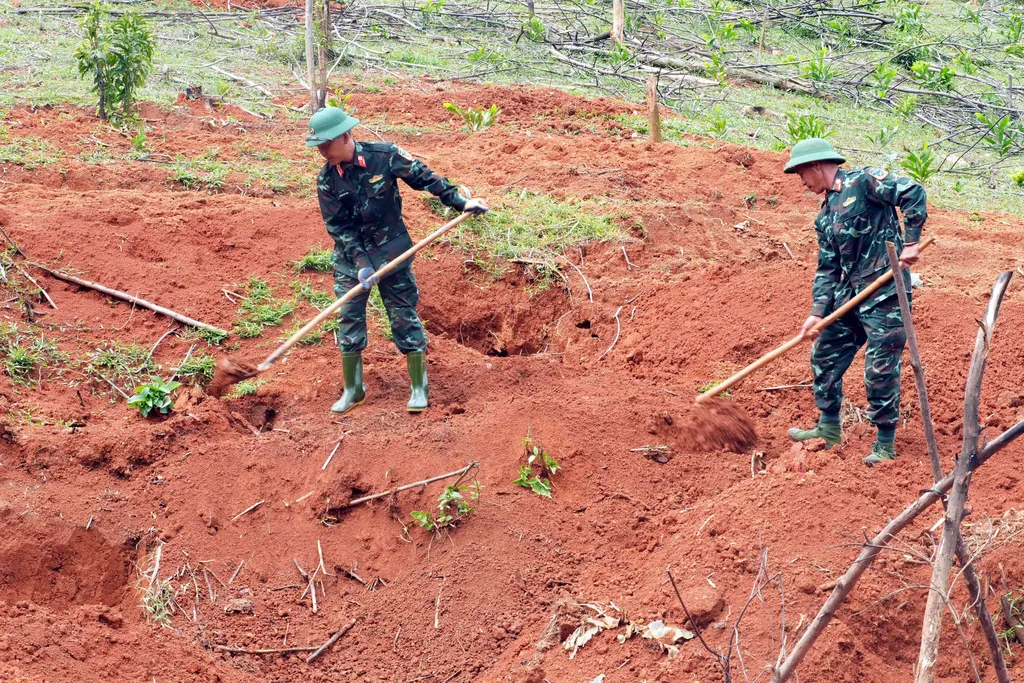 |
| Members of the Martyrs' Remains Recovery Team under Economic-Defence Unit 337 of Military Region 4 press on with the search for fallen soldiers' remains despite harsh weather conditions. |
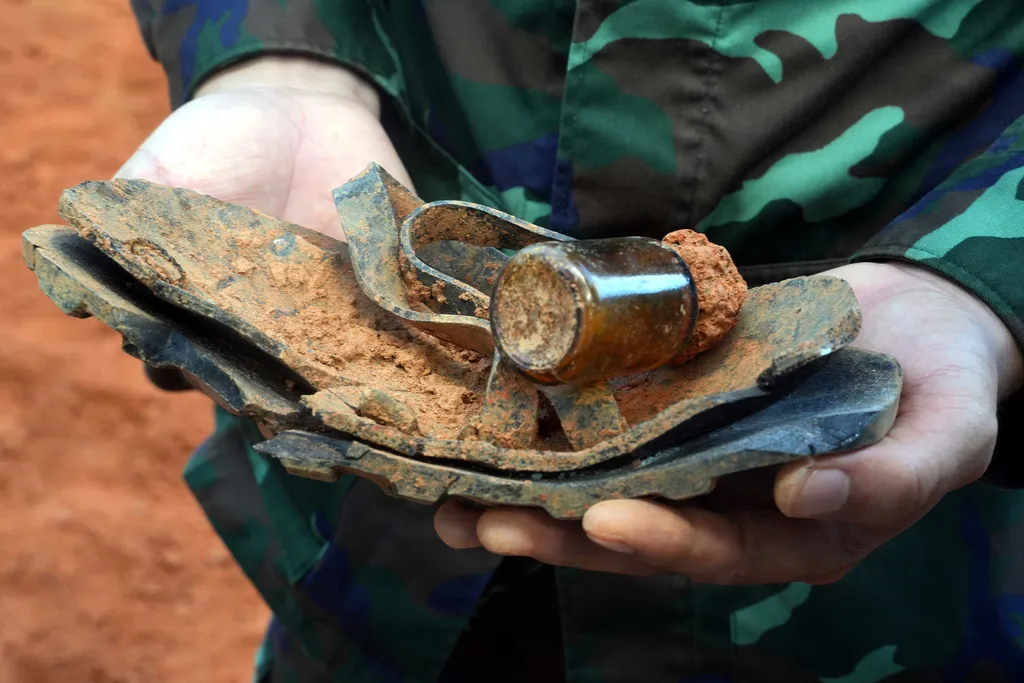 |
| A pair of rubber sandals and a medicine bottle unearthed during excavation at the Khe Cha Lỳ search site in Khe Sanh Commune, Quảng Trị Province. |
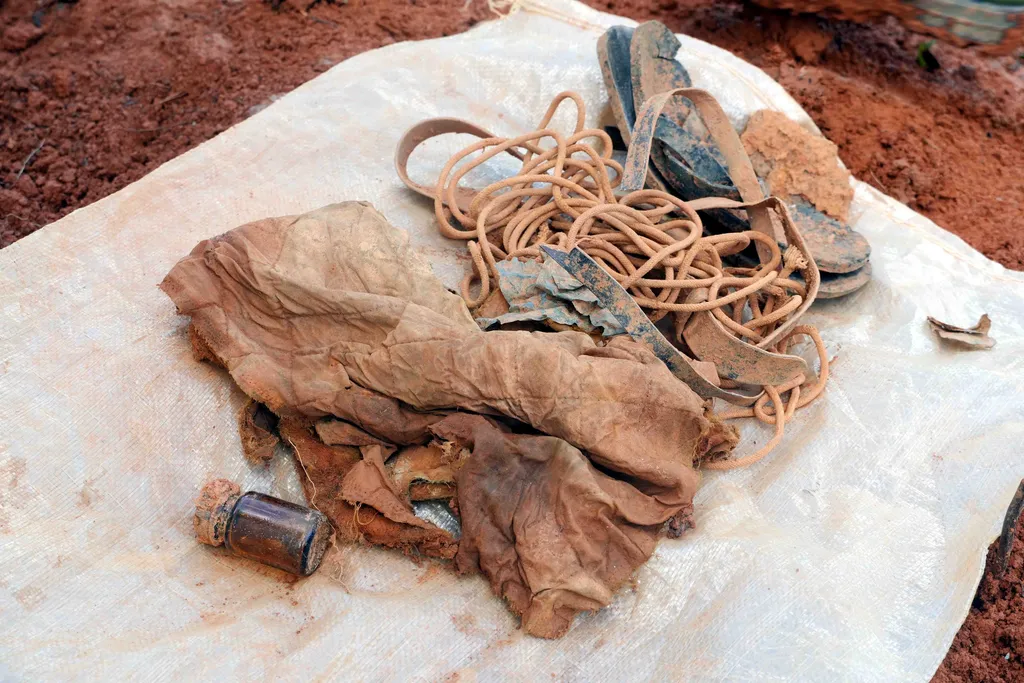 |
| Personal belongings, including a groundsheet, a hammock and parachute cord, unearthed at the Khe Cha Lỳ search site in Khe Sanh Commune, Quảng Trị Province. |
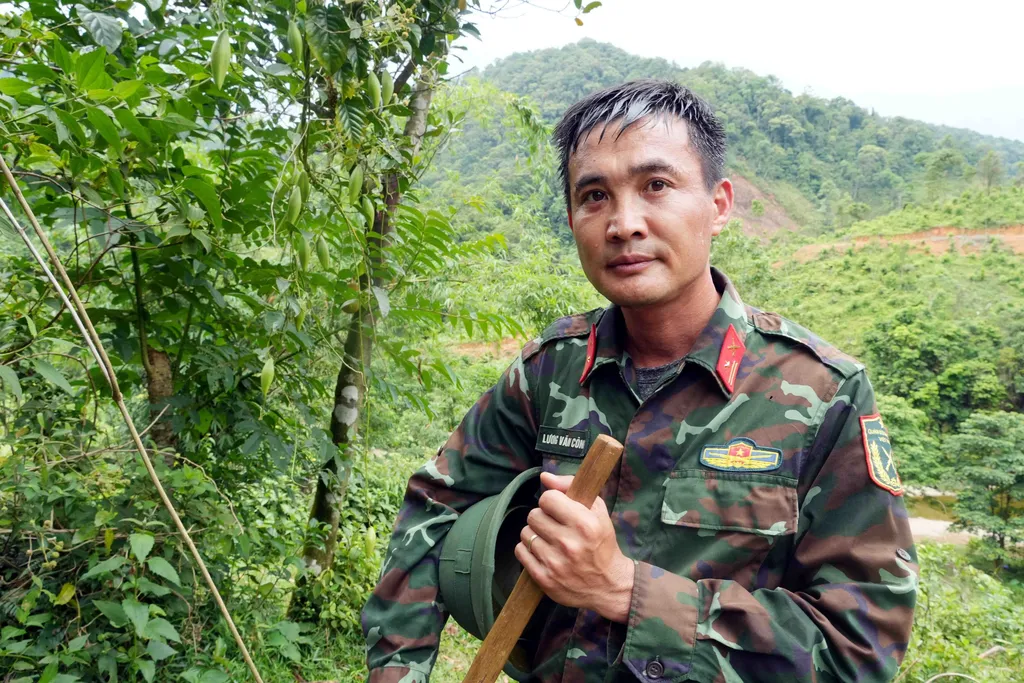 |
| Sweat pours down the face of Major Lương Văn Công as he searches for the remains of fallen soldiers. |
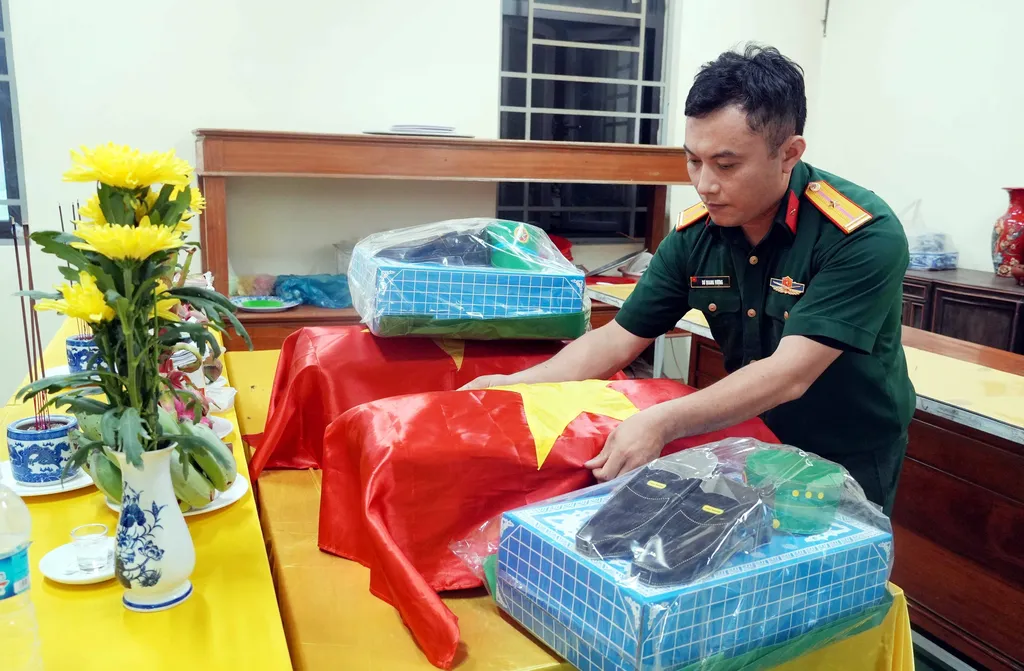 |
| Major Dư Quang Vượng keeps vigil and burns incense in tribute to fallen soldiers at Khe Sanh Martyrs' Cemetery in Quảng Trị Province after their remains have been recovered. |
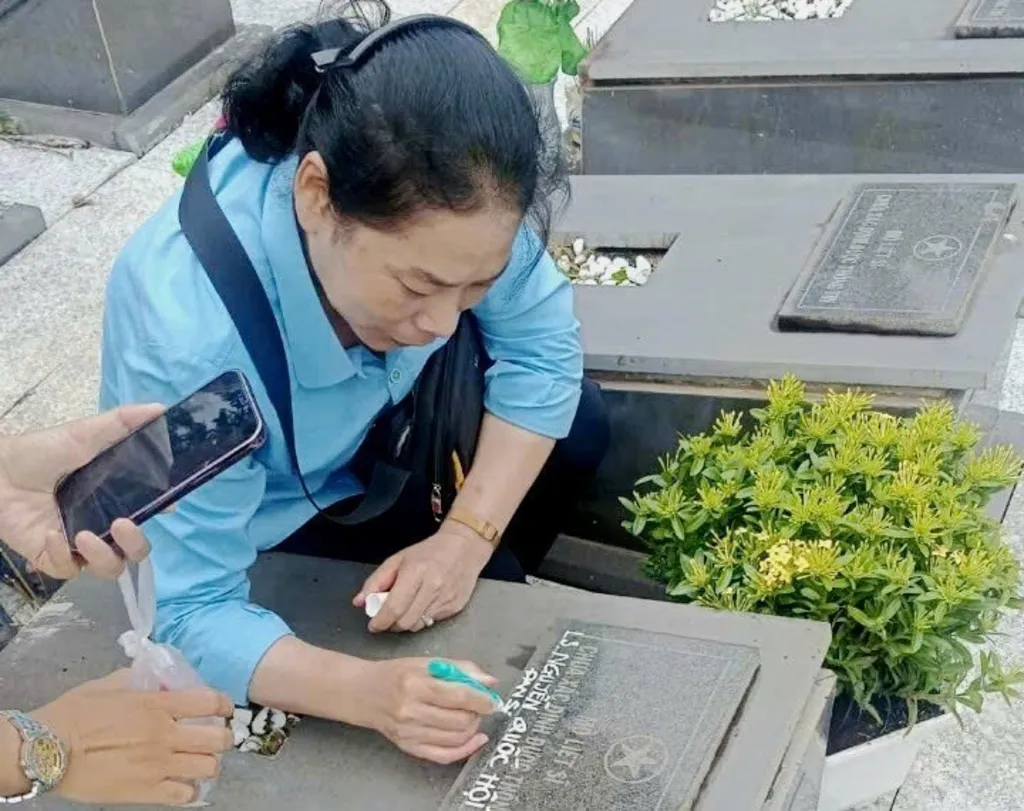 |
| Relatives of fallen soldier Nguyễn Quốc Hội, from Bắc Gianh Ward, Quảng Trị Province, have located his grave at Đức Cơ Martyrs' Cemetery in former Gia Lai Province. |
Society
 Society
 Society
 Society
 Society
 Society
 Society
 Society
 Society
 Society
 Society
 Society
 Society
 Society
 Society