 Society
Việt Nam, Lithuania work to deepen ties, expand cooperation
1.
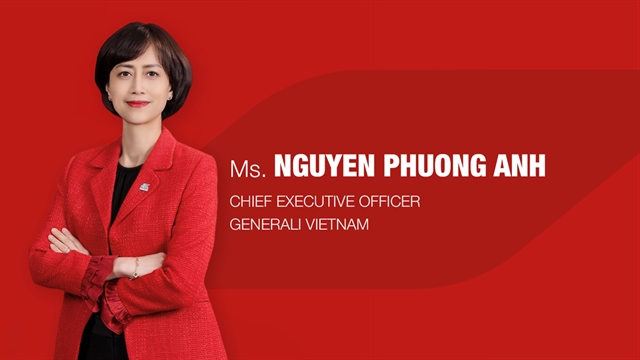
As scrutiny of greenwashing and performative corporate social responsibility (CSR) grows, credible social impact requires more than goodwill. Nguyễn Phương Anh, CEO of Generali Vietnam, discusses how businesses can build trust through measurable commitments and long-term support for The Human Safety Net.
 |
How do you see the role of businesses evolving in creating long-term value beyond financial performance?
The way businesses define long-term value has changed significantly. Financial performance remains essential, but it is now assessed alongside how companies contribute to the communities in which they operate.
Companies are no longer seen solely as economic actors. They are also expected to address social challenges affecting their stakeholders and the wider community.
For Generali, this has shaped how we approach social impact. We see it as part of sustainable growth, particularly in areas such as early childhood development, where outcomes depend on family circumstances, parenting knowledge, access to services and local support.
How would you describe The Human Safety Net, and what role does Generali play in supporting it?
The Human Safety Net is a global foundation that supports people in vulnerable circumstances. Its purpose is to help people unlock their potential and build stronger foundations for themselves, their families and their communities.
The Human Safety Net should be seen as a long-term movement rather than a one-off social programme. It mobilises resources from the private sector, public sector and civil society to create sustainable social impact.
Generali is a long-term supporter of The Human Safety Net. Our support includes financial contributions, employee volunteering and broader engagement. Social impact is not built through capital alone. It also requires time, commitment and human connection.
Through these efforts, Generali contributes to a broader ecosystem of partners and programmes working towards lasting social impact.
In Việt Nam, how does this approach translate into concrete programmes, particularly in early childhood development?
In Việt Nam, The Human Safety Net supports programmes closely connected to early childhood development, where the needs of children, parents and caregivers are deeply intertwined.
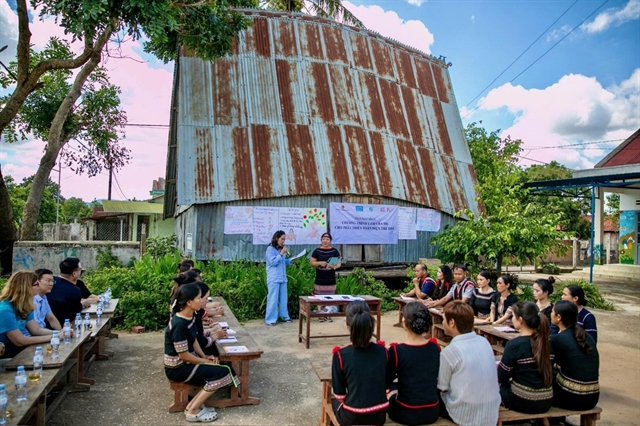 |
| Parents and caregivers in Gia Lai participate in a child protection group session, helping to create a safe, nurturing and positive environment for children. Photo: UNICEF Việt Nam. |
A child's development is influenced by nutrition, education, emotional care, family well-being, access to healthcare and the broader community environment. Parenting programmes equip parents and caregivers with practical knowledge of nutrition, early learning, emotional development and positive caregiving practices.
Integrated early childhood development models bring together healthcare, education and mental well-being. The objective is to ensure that families receive support through a coordinated framework rather than isolated interventions.
Many companies are now investing in social impact, but public trust remains a challenge. From your perspective, what makes a corporate social partnership credible?
Credibility comes from alignment, accountability and consistency.
First, the issues a company chooses to support should align with its values, capabilities and stakeholders. When a company engages with a social issue that has no clear connection to its business or communities, the effort can easily be perceived as short-term or performative.
Second, social impact should be underpinned by clear objectives, credible implementation and honest reporting. Stakeholders want to understand what is being done, who is involved, how progress is measured and whether the commitment can be sustained.
Third, companies need consistency. Social challenges affecting children and families cannot be addressed through short campaign cycles. Meaningful outcomes often take time, and companies should communicate transparently rather than overstating their impact.
What are the structural challenges that prevent well-funded social programmes from creating lasting impact?
One common challenge is fragmentation. Many organisations work on similar issues with good intentions and adequate resources, but their efforts are often designed within different frameworks, timelines or implementation models. As a result, the overall impact may be less than the sum of its parts.
Another challenge is the mismatch between the complexity of social issues and short programme cycles. Early childhood development involves families, caregivers, public services, local communities and policy environments. Short-term activities can create value, but they are rarely enough to produce lasting impact.
This is why system-based approaches are important. Businesses can bring resources and organisational capacity. Technical partners contribute evidence and implementation expertise, while public-sector partners help connect programmes with broader systems and national priorities.
How does the partnership with UNICEF help strengthen this approach?
UNICEF plays an important role by bringing technical expertise in child development, a strong evidence base and long-standing relationships with governments and local communities. This helps ensure that programmes are designed around real needs rather than goodwill alone.
In Việt Nam, UNICEF works with government partners and local stakeholders to align parenting support and related services with public priorities. This helps connect support for families and children with broader systems.
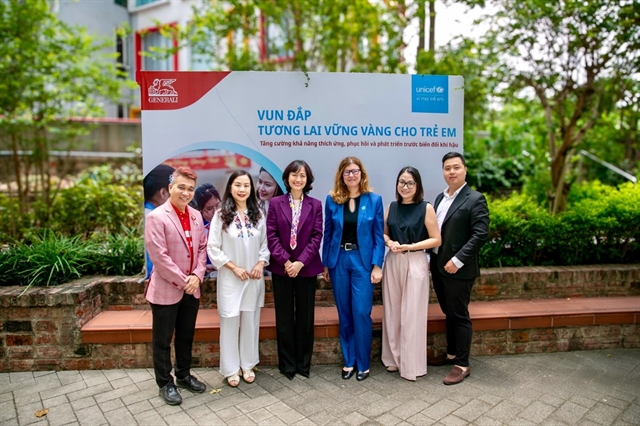 |
| Nguyễn Phương Anh (centre) with the Generali and UNICEF teams. Photo: UNICEF Việt Nam |
For Generali, supporting The Human Safety Net and partnering with organisations such as UNICEF allows our contribution to become part of a broader, more credible framework. It helps direct social investment towards programmes that are technically sound, locally relevant and more likely to create lasting impact.
Beyond early childhood development, Generali has also supported efforts to help children and families recover from disasters and strengthen their preparedness for future challenges. Why is resilience an important part of your social impact approach?
Children are often among the most vulnerable during and after emergencies, yet they also have tremendous potential to recover and thrive when the right support is available.
At Generali, we believe resilience begins long before a crisis occurs. It is built through stronger families, better caregiving, access to essential services and supportive communities. This perspective is closely linked to our broader focus on children's and families' well-being.
When communities experience shocks such as natural disasters, the impact on children extends beyond their immediate physical needs. It can affect their emotional well-being, learning, development and sense of security. Supporting recovery is important, but helping communities strengthen their preparedness and resilience is equally critical.
That is why we support initiatives that strengthen local capacity, equip caregivers and frontline workers with the knowledge and skills they need, and help communities better support children before, during and after adversity.
For us, investing in children's resilience is ultimately an investment in stronger families, stronger communities and a more resilient future for society as a whole.
From a business perspective, what has Generali learned from supporting this kind of long-term social impact model?
One lesson is that businesses need to be patient. Meaningful social impact takes time. It is built through gradual improvements, stronger relationships and better systems rather than immediate, visible results.
Businesses should not seek to replace expert organisations or public institutions. Instead, they should contribute resources, expertise and people in ways that strengthen the broader ecosystem.
Employee engagement is also valuable. When employees volunteer, they contribute their time while becoming more connected to the company's purpose and the communities around them. This helps foster a culture of responsibility and shared purpose.
Looking ahead, what will define meaningful impact for businesses?
The focus will continue to shift from the scale of activities to the quality of outcomes. Businesses will be judged less by the volume of their activities and more by whether their efforts contribute to meaningful, long-term change.
A more effective approach is to focus on issues closely aligned with the business, work with credible partners, build strong implementation models, measure progress honestly and communicate transparently and consistently.
In child-focused partnerships, supporting children is also an investment in the long-term resilience of communities and society. Lasting trust is built through consistent partnerships, responsible implementation and a clear commitment to creating value beyond the business itself.
Society
 Society
 Society
 Society
 Society
 Society
 Society
 Society
 Society
 Society
 Society
 Society
 Society
 Society
 Society