 Society
.jpg)
Nestlé Vietnam CEO honoured with 2026 Thánh Gióng Cup
1.
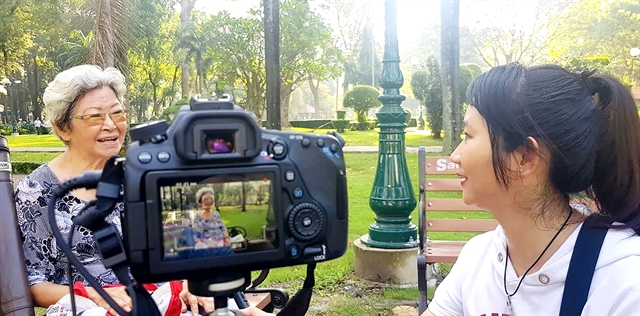 |
| Việt Nam News reporter Nguyễn Diệp (right) interviews a local resident. — VNS Photo |
By Nguyễn Diệp
HCM CITY — As HCM City approaches the historic 50th anniversary of bearing the name of President Hồ Chí Minh (2 July), a Việt Nam News reporter reflects on a 14-year journey from being a student and part-time worker to a seasoned journalist, witnessing a metropolis that has modernised its infrastructure and green transport while fiercely guarding its deeply compassionate soul.
On a busy morning, I sat by the window of one of HCM City’s modern electric buses, watching the urban landscape glide by.
The whisper-quiet ride, cool air-conditioning, and polite service of the staff felt worlds away from the chaotic traffic I first encountered here.
For a reporter, a bus window is a lens through which to observe the changing heartbeat of a metropolis.
My own story in this city began in 2012, when I left the tranquil landscapes of the Cửu Long (Mekong) Delta province of Đồng Tháp (formerly Tiền Giang Province).
Like many young people from the delta, I arrived with little more than a dream and the slow-paced rhythms of the riverine lands embedded in my soul.
Those early years in Sài Gòn, now HCM City, were a whirlwind of relentless ambition.
I immediately threw myself into the grind, balancing early work commitments while continuing my higher education.
Back then, commuting between lecture halls and workplaces meant navigating congested streets on a motorbike, a daily test of resilience.
By 2017, my relationship with the city reached a turning point when I joined the HCM City office of Việt Nam News.
For nearly a decade now (2017-2026), my notepad and camera have been my passport to the frontlines of the city's transformation.
Now, at 36, riding this electric bus feels like a metaphor for how far both the city and I have travelled together.
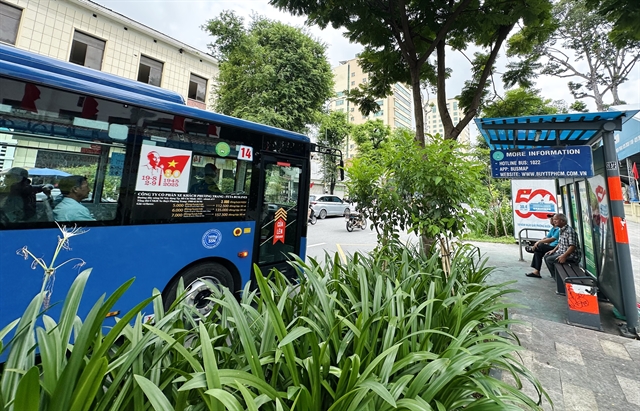 |
| Elderly commuters wait for an electric bus on Nguyễn Thị Minh Khai Street in HCM City, which showcases a modern public transit system built on sustainable and compassionate values. — VNS Photo Nguyễn Diệp |
Symphony of green mobility, smart ambitions
Reporting for the country’s sole English-language daily requires looking at urban development through a global lens.
Over the last 10 years, the stories I have covered paint a vivid picture of a city boldly redefining its future, with green transport and riverside urban renewal taking centre stage.
The shift towards sustainable transit is tangible.
I have written extensively about the dramatic improvements in the city's public bus network, notably the deployment of electric buses with greatly improved service quality.
Besides, experiencing the test runs and operations of the city’s metro line personally has been a highlight of my career. Watching the sleek trains glide above the city represents a leap into the future.
As my electric bus glides alongside the Sài Gòn River, I witness perhaps the most breathtaking transformation, since, as someone born in the delta, rivers have a sacred place in my heart.
Over the past decade, the newspaper has assigned me to cover the revitalisation of the Sài Gòn riverfront, particularly around Bạch Đằng Wharf.
What once was a crowded, industrial port area has evolved into a vibrant, world-class public green space.
The river, which once merely carried goods, now carries the city's green aspirations, seamlessly linking historic architecture with modern water-bus corridors and clean, pedestrian-friendly parks.
Beyond the riverbanks, I have tracked mega-projects reshaping regional connectivity, from the strategic links of ring roads Nos 3 and 4 to deep-sea ports.
Simultaneously, covering the city's digital data strategies and AI training programmes has shown me a metropolis fiercely committed to the twin digital and green transformations.
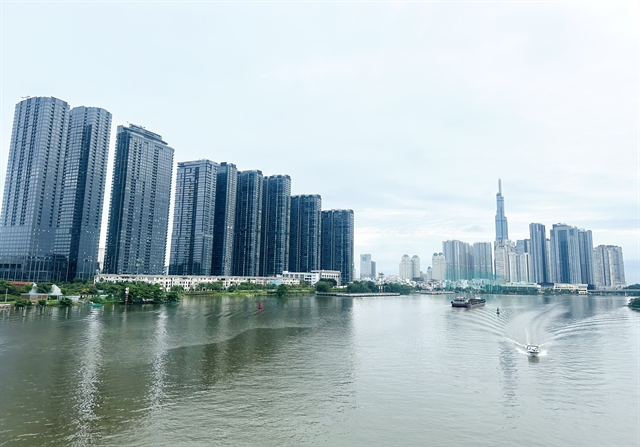 |
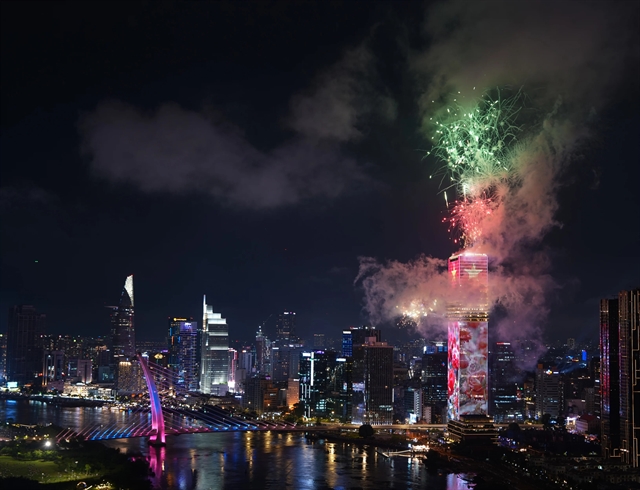
| A view of the Sài Gòn River from Ba Son Bridge reveals the city’s modern skyline and its ambitious strides towards sustainable development. — VNS Photo Nguyễn Diệp |
True landmark: unwavering spirit of Nghĩa Tình
Yet, beneath the glittering skyline of skyscrapers, the high-tech corridors, and the revitalised riverfront, the true essence of HCM City lies in a single, profound Vietnamese concept: Nghĩa tình (meaningful gratitude, loyalty, and deep human compassion).
As someone who grew up with the rustic hospitality of the delta, I initially worried that the mega-city might be cold, especially during those exhausting early days of juggling work and night classes.
Instead, it embraced me.
The courtesy found on the new electric buses and the shared smiles along the breezy park of the Sài Gòn River are just micro-reflections of a much larger societal truth: HCM City remains a sanctuary of inclusivity.
This city does not demand a prestigious pedigree. It only asks for your dedication and a willing heart.
In return, it gives you a home, an education, an identity, and a fair shot at your dreams.
This spirit is visible everywhere — from zero-đồng charity kitchens to the way the community rallies to support vulnerable groups during times of crisis.
Approaching the 50-year milestone in 2026 feels deeply personal after the city has given me a fulfilling career at a national news agency and tempered me into a resilient storyteller at 36.
Writing about the city after half a century of development is not merely an exercise in auditing GDP figures; it is a tribute to a living community that knows how to build a green future while fiercely guarding its humanity.
I am proud to call it my muse, my second home, a place that took in a young student and worker from the delta and helped her become the journalist I am now. — VNS
Society
 Society
 Society
 Society
 Society
 Society
 Society
 Society
 Society
 Society
 Society
 Society
 Society
 Society
 Society