 Society

Việt Nam fosters comprehensive cooperation with Uruguay
1.
|
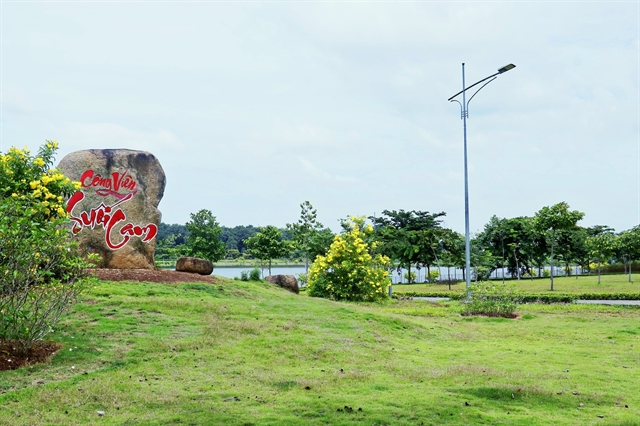
| Suối Cam Reservoir's lush green landscape creates a harmonious natural oasis amid the urban area in Đồng Nai City. — VNA/VNS Photo |
ĐỒNG NAI — Đồng Nai City is accelerating plans to transform its extensive irrigation network into a multi-purpose infrastructure system, combining water security with eco-tourism, aquaculture and environmental services to create new drivers for green and sustainable economic growth.
With one of the country's largest irrigation systems, the city sees its reservoirs not only as essential sources of water for agriculture but also as valuable natural assets capable of supporting tourism, recreation, fisheries and other environmentally friendly industries.
The city currently has 85 irrigation works, including 63 reservoirs.
According to provincial authorities, 61 of these reservoirs, together with the Đồng Hiệp diversion dam, possess significant potential for integrated development while continuing to fulfil their primary role of supplying water for agricultural production, domestic consumption and industry.
Reservoirs including Suối Giai, Suối Cam 1, Tân Lợi, Lộc Quang, Đa Tôn, Núi Le and Suối Vọng have been identified as suitable locations for expanding tourism, leisure services, aquaculture and landscape development.
Provincial assessments show that around 2,112ha of water surface could be utilised for aquaculture, while approximately 371ha of downstream and seasonally flooded land are suitable for perennial crops.
Another 131ha surrounding reservoirs could be developed into tourism, recreation and commercial service areas.
The integrated approach reflects Đồng Nai's strategy of maximising the value of existing infrastructure instead of relying solely on new investment projects, while supporting the transition towards a greener economy and improving resilience to climate change.
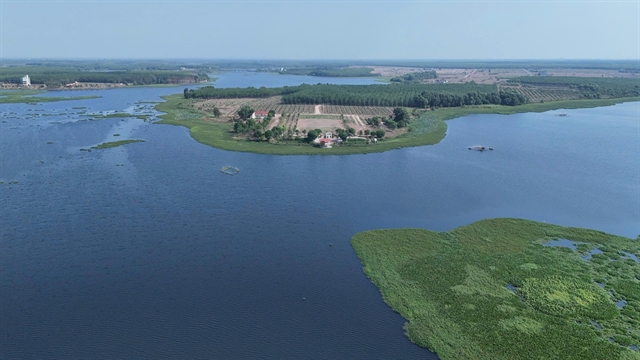
One of the city's most valuable resources is Phước Hòa Reservoir in Nha Bích Commune, which covers more than 2,077ha.
The reservoir serves as a strategic source of water for the Southeast region and is increasingly viewed as a cornerstone of the area's long-term development strategy.
Nguyễn Hồng Thái, chairman of the Nha Bích People's Committee, said the reservoir performs a vital irrigation function by ensuring stable water supplies for agriculture, aquaculture and residential use, contributing significantly to regional water security.
Beyond its irrigation role, he said the reservoir's expansive water surface and surrounding natural scenery create favourable conditions for developing eco-urban areas, lakeside resorts, ecological parks, golf courses and outdoor recreational facilities.
|
| The vast water body and surrounding natural landscape provide a strong foundation for eco-tourism, premium resorts, golf courses, lakeside urban areas and wellness services. — VNA/VNS Photo |
"The reservoir also provides opportunities for water sports, wellness tourism, healthcare services and retirement communities that are closely connected with nature," Thái said.
He added that the reservoir acts as a "green lung" for the surrounding area, helping improve environmental quality while enhancing the image of a modern, environmentally-friendly urban area.
These advantages could position Nha Bích as a new destination for eco-tourism and sustainable urban development in Đồng Nai and the wider Southeast region.
Local authorities believe similar opportunities exist across many other reservoirs, where investment in tourism infrastructure can be combined with environmental protection and water resource management.
Vice Chairwoman of the Đồng Nai People's Committee Nguyễn Thị Hoàng said irrigation reservoirs generate a wide range of socio-economic and environmental benefits in addition to their traditional function of storing water.
Besides supplying water for agriculture, industry and daily life while helping prevent floods and droughts, reservoirs also regulate local microclimates, support fisheries and provide attractive settings for tourism, leisure and hospitality businesses, she said.
Many of the city's irrigation facilities are already connected by convenient transport networks, making them well-positioned to accommodate a variety of commercial activities without affecting their public service functions.
To fully tap these opportunities, Đồng Nai is reviewing its irrigation infrastructure and prioritising investment in reservoirs with strong potential for multi-purpose development.
The city plans to allocate funding to repair, upgrade and expand irrigation works capable of simultaneously serving irrigation, domestic water supply, industrial production and tourism. Investment will focus on projects with the greatest economic and social impact.
At the same time, authorities are promoting landscape restoration around reservoirs to create attractive destinations for eco-tourism while encouraging sustainable aquaculture and cultivation in seasonally flooded areas.
Officials expect these activities to increase local incomes, create employment opportunities and attract greater private investment into rural areas.
The city also intends to prepare customised development plans for individual reservoirs based on their specific characteristics and surrounding socio-economic conditions.
These plans will identify suitable uses for reservoir water surfaces, adjacent land and nearby communities while ensuring compliance with environmental regulations and local development strategies.
To attract investment, Đồng Nai will step up promotion of its reservoir resources and seek environmentally responsible tourism projects that minimise pollution while generating stable revenue for irrigation management.
Local authorities have been instructed to work closely with Đồng Nai Irrigation One Member Limited Liability Company, which manages and operates the city's irrigation system, in preparing integrated management plans for reservoirs and surrounding areas.
The company will also develop detailed exploitation strategies for reservoirs with high development potential, covering water surfaces, surrounding land and lakeside areas.
These plans aim to maximise the economic value of irrigation infrastructure while ensuring that reservoirs continue to fulfill their essential role in supplying public irrigation services and safeguarding water security for future generations.
Through the integrated development of its reservoirs, Đồng Nai hopes to create a model in which irrigation infrastructure not only supports agriculture but also serves as a foundation for green industries, sustainable tourism and climate-resilient economic development. — VNS
Society
 Society
 Society
 Society
 Society
 Society
 Society
 Society
 Society
 Society
.jpg) Society
Society
 Society
 Society
 Society
 Society